Who Are the Best Robotic Cafe Manufacturers in China?
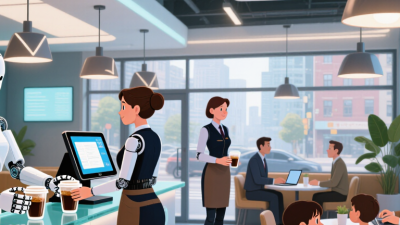
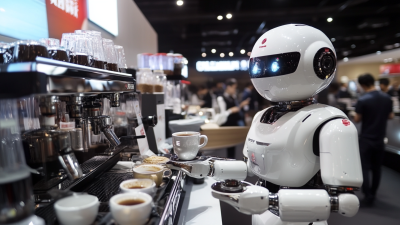
A Robotic Cafe is more than a coffee machine behind glass. It combines brewing equipment, robotic handling, software, payment systems, and service support. For buyers, the difficult question is not whether a demo looks impressive. It is whether the system can make consistent drinks during a busy morning, recover from faults, and remain serviceable over time.
Industry data gives useful context, but it needs careful interpretation. The International Federation of Robotics reported 541,302 industrial robot installations worldwide in 2023. China accounted for 276,288 of them. These figures describe industrial robots, not Robotic Cafe installations. They do, however, show the scale of China’s automation ecosystem. That distinction matters; general robot production does not automatically prove café-specific expertise.
AI researcher Andrew Ng’s widely cited observation, “AI is the new electricity,” offers a useful lens for understanding intelligent automation. It is not a Robotic Cafe industry endorsement, and it should not be presented as one. For this comparison, the stronger evidence lies in manufacturer capabilities: drink consistency, machine uptime, ingredient management, safety design, software integration, and local technical support. Ask for operating data, not just polished videos. See the system work through repeated orders. Small details count: a clean milk line, a clear error message, and a technician who can respond quickly. The category is still uneven, and impressive automation can hide ordinary service problems. This guide examines Chinese manufacturers with that practical gap in mind.
Defining Robotic Cafés: Automated Brewing, Robot Service, and Digital Ordering
Who Are the Best Robotic Cafe Manufacturers in China?
Defining Robotic Cafés: Automated Brewing, Robot Service, and Digital Ordering
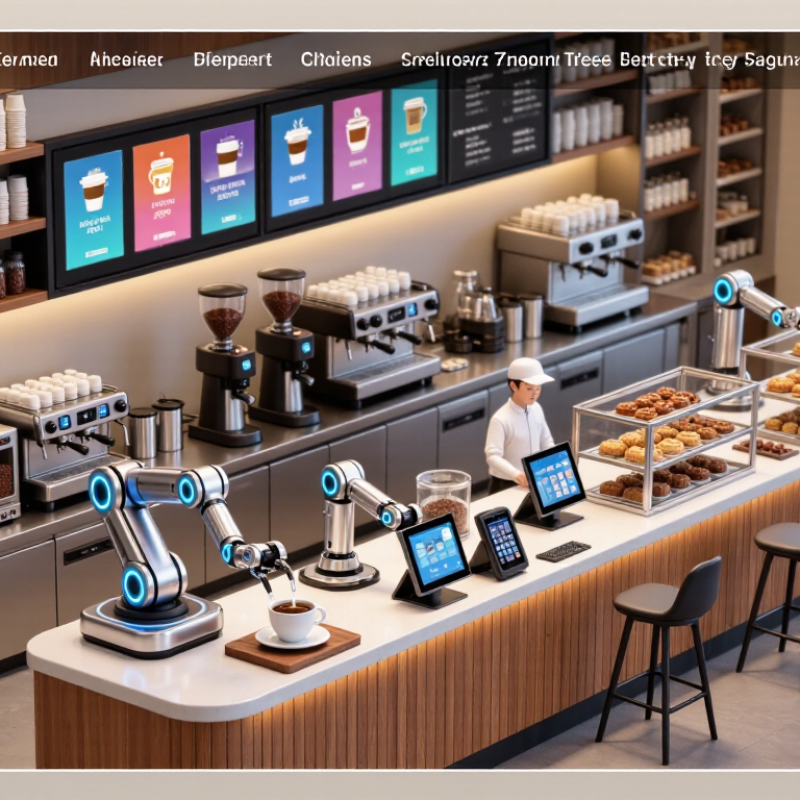
The best robotic café manufacturers are those that coordinate brewing equipment, robot service, and digital ordering as one reliable system. Automated brewing should deliver repeatable results, with clear controls for dose, temperature, and cleaning. Robot service may include carrying cups, preparing drinks, or guiding customers, but its role should fit the café’s layout. Digital ordering should show customers accurate menus, prices, and order status. Small details matter. A screen that is hard to read or a robot that blocks a queue can undermine an otherwise polished installation.
Tips: Ask manufacturers for a live workflow demonstration, not just promotional footage. Check how staff refill ingredients, clean contact surfaces, and handle failed orders. Request operating instructions and a clear maintenance schedule. Test the system during a busy period if possible.
Compare manufacturers on integration, training, spare-part availability, and support response times. Ask what happens when the payment terminal loses its connection or a brewing unit needs service. These practical questions reveal more than a showroom display. A robotic café can reduce repetitive tasks, but it still needs thoughtful staffing and regular checks. Automation is not a cure-all. Even a well-designed system may need adjustments after real customers begin using it. Judge the equipment against your menu, floor plan, and expected order volume rather than choosing by appearance alone.
China Installed 276,288 Industrial Robots in 2023—51% of the Global Total (IFR)
China’s robotics capacity is substantial. The International Federation of Robotics reported 276,288 industrial robot installations in China in 2023, equal to 51% of the global total in World Robotics 2024. That figure signals a deep automation supply chain, but it does not measure cafe robots or prove that every manufacturer can build reliable food-service systems. The distinction matters.
For a robotic cafe, compare manufacturers on more than arm speed. Check whether equipment handles cups, milk, ice, and cleaning routines consistently during busy hours. Ask how the system responds to spills, empty ingredient containers, and order changes. Small details matter. A polished demo is useful, but a full-shift trial tells you more. The statistic is impressive, yet it can mislead if buyers treat industrial robot volume as a direct ranking of cafe expertise.
Tips: Request a live demonstration using your actual menu and cup sizes. Ask for documented uptime, cleaning procedures, and local maintenance response times. Observe the machine during a lunch rush; quiet showroom tests can miss awkward handoffs and slow recovery.
Core Café Systems: Robot Arms, Coffee Equipment, Payments, and Food Safety
Who Are the Best Robotic Cafe Manufacturers in China?
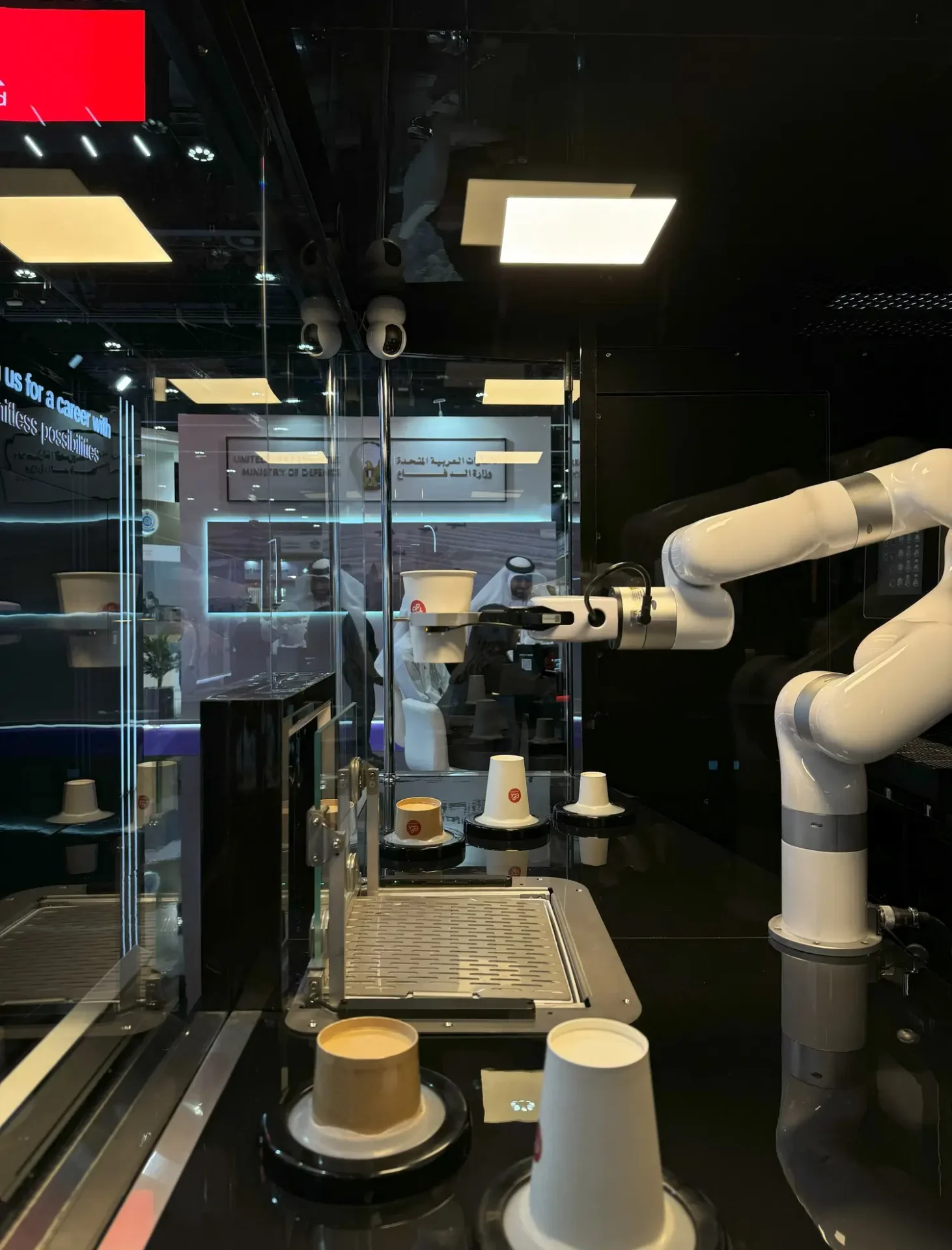
A capable robotic café depends on more than an arm pouring espresso. Look for manufacturers that integrate the robot, grinder, brewer, payment terminal, and order software. Each handoff matters. A cup can spill when the arm’s grip, counter height, or drip-tray position is poorly calibrated. Ask to see repeated drink cycles, not just a polished demonstration. Check how quickly staff can refill beans, clear a blocked nozzle, and recover from a payment error. Small interruptions reveal a lot.
The International Federation of Robotics’ World Robotics 2024 report recorded nearly 205,000 professional service robots sold worldwide in 2023, a 30% increase. That growth signals rising adoption, not guaranteed café reliability. Food handling needs equal scrutiny: the World Health Organization estimates that unsafe food causes about 600 million illnesses each year. Ask how equipment supports handwashing, cleaning, allergen separation, and temperature checks. A robot is not automatically hygienic. Its tools and shared surfaces still need documented cleaning routines. Payment systems should show clear transaction records and offer a practical fallback when connectivity fails. The weakest component may be the refill process. Test it.
| System Area | Relevant Facts and Evaluation Criteria | Evidence to Request from a Manufacturer | Why It Matters in a Robotic Café |
|---|---|---|---|
| Robot arm and motion system | Payload, reach, repeatability, operating speed, and mounting options are model-specific specifications. The required payload should include the gripper and the heaviest item handled, not just the product itself. | Robot datasheet; reach and payload diagrams; repeatability specification; cycle-time test using the proposed café layout; documentation for applicable robot-safety requirements. | Confirms that the arm can reach each station and handle cups, pitchers, and tools within the intended cycle time and safety design. |
| End effectors and cup handling | Grippers must match the cup shapes, sizes, materials, and loads used in service. A cup-detection or grip-confirmation method can help identify failed picks before a spill occurs. | Supported cup-size range; grip-force or handling information; detection and recovery logic; demonstrations with empty and filled cups. | Reliable grasping and placement reduce drops, spills, service interruptions, and risks around hot beverages. |
| Espresso equipment | Espresso is commonly extracted at about 9 bar, although actual pressure profiles and recipes vary. Temperature stability, dose control, cleaning access, and the machine’s required utilities also affect performance. | Machine specifications; supported pressure and temperature controls; water, power, and drainage requirements; cleaning instructions; tested drink recipes. | The machine must deliver repeatable drinks and fit the café’s utility connections and automated workflow. |
| Grinder and dosing | Grind size and dose influence extraction. Grinder capacity, adjustment method, retention, and repeatability should be checked under the expected service volume. | Grinder specifications; dose-measurement method; adjustment and calibration procedure; cleaning schedule; test results across repeated orders. | Consistent grinding and dosing support consistent beverage quality and help the system respond to changing recipes or coffee conditions. |
| Milk and other ingredients | Milk handling needs a defined refrigeration, dispensing, and cleaning process. Allergen information and procedures for preventing cross-contact should be part of the operating plan. | Refrigeration and dispensing specifications; cleaning and sanitizing procedures; ingredient changeover process; allergen-control documentation. | Automated milk service can introduce food-safety and allergen risks if storage, dispensing, and cleaning are not controlled. |
| Ordering and payment | Payment systems may support contactless and chip-based transactions. PCI DSS requirements apply to organizations that store, process, or transmit payment-card data; the exact obligations depend on the payment architecture. | Supported payment methods; payment-flow diagram; PCI DSS responsibility and compliance documentation; refund, outage, and transaction-reconciliation procedures. | Clear payment responsibilities and reliable transaction handling help protect card data and prevent order-payment mismatches. |
| Food safety and sanitation | Food-safety rules depend on the location and the foods served. HACCP principles provide a framework for identifying hazards, setting controls, monitoring them, and keeping records. | Cleaning and sanitizing instructions; food-safety risk assessment; temperature-monitoring plan where required; maintenance logs; local regulatory documentation. | Robotic operation does not replace food-safety controls. Equipment design and operating procedures must support hygienic preparation and inspection. |
| Software and system integration | Ordering, robot control, beverage equipment, inventory, and payment components need defined interfaces and error-handling behavior. Network or equipment outages should have a documented safe response. | System architecture; interface and data-flow documentation; alarm and recovery procedures; cybersecurity and software-update policy; integration test results. | Well-defined integration helps prevent duplicate orders, incomplete drinks, unsafe movements, and downtime when a component fails. |
| Installation and after-sales support | Commissioning should verify the actual site layout, utilities, safety measures, recipes, and end-to-end order flow. Support coverage and spare-parts availability are service-specific. | Site-readiness checklist; commissioning and acceptance-test plan; training materials; warranty terms; support hours and spare-parts arrangements. | Operational uptime depends on correct installation, trained staff, and a practical plan for maintenance and repairs. |
Leading Chinese Robotic Café Manufacturers and Their Deployment Models
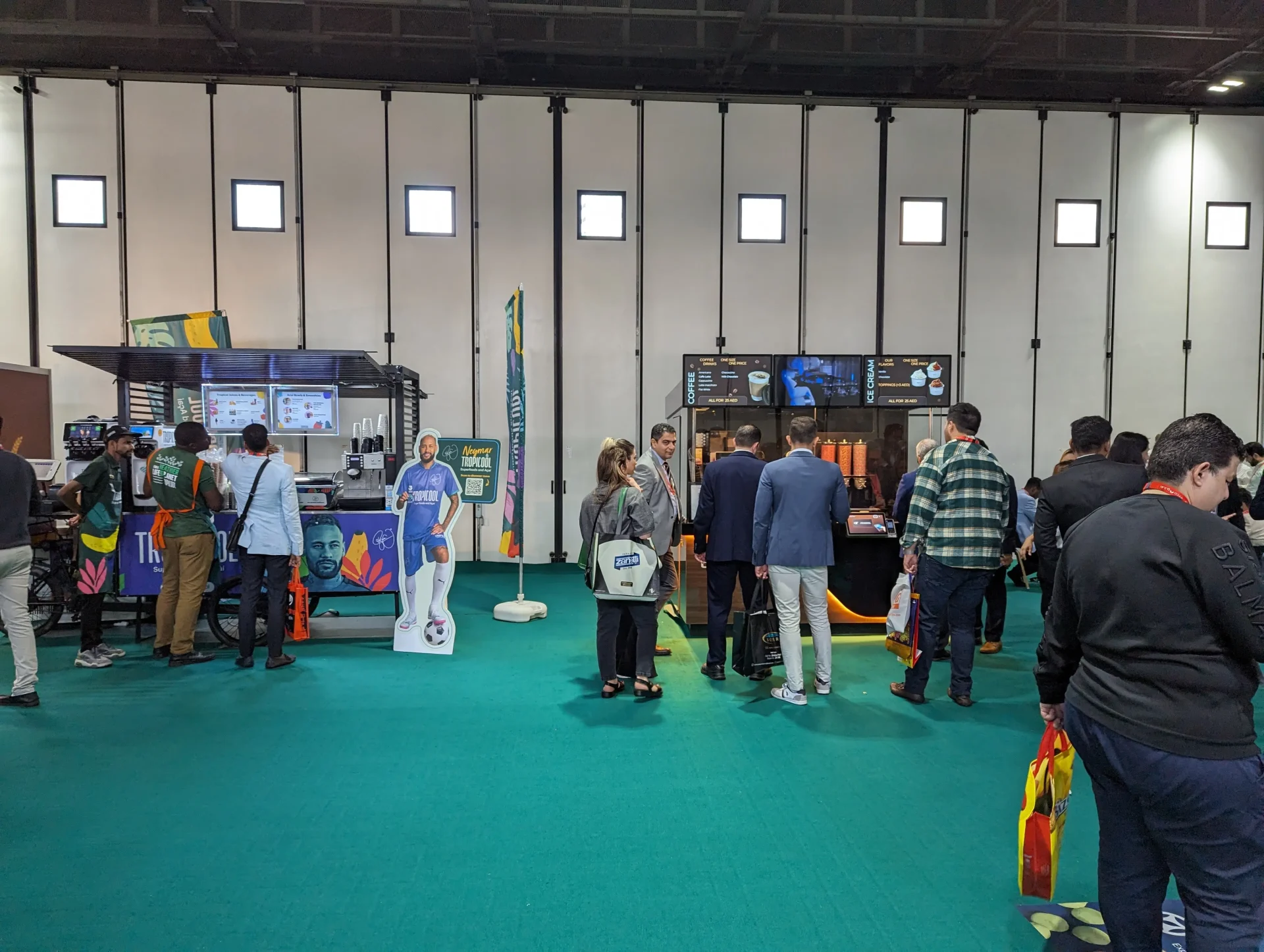
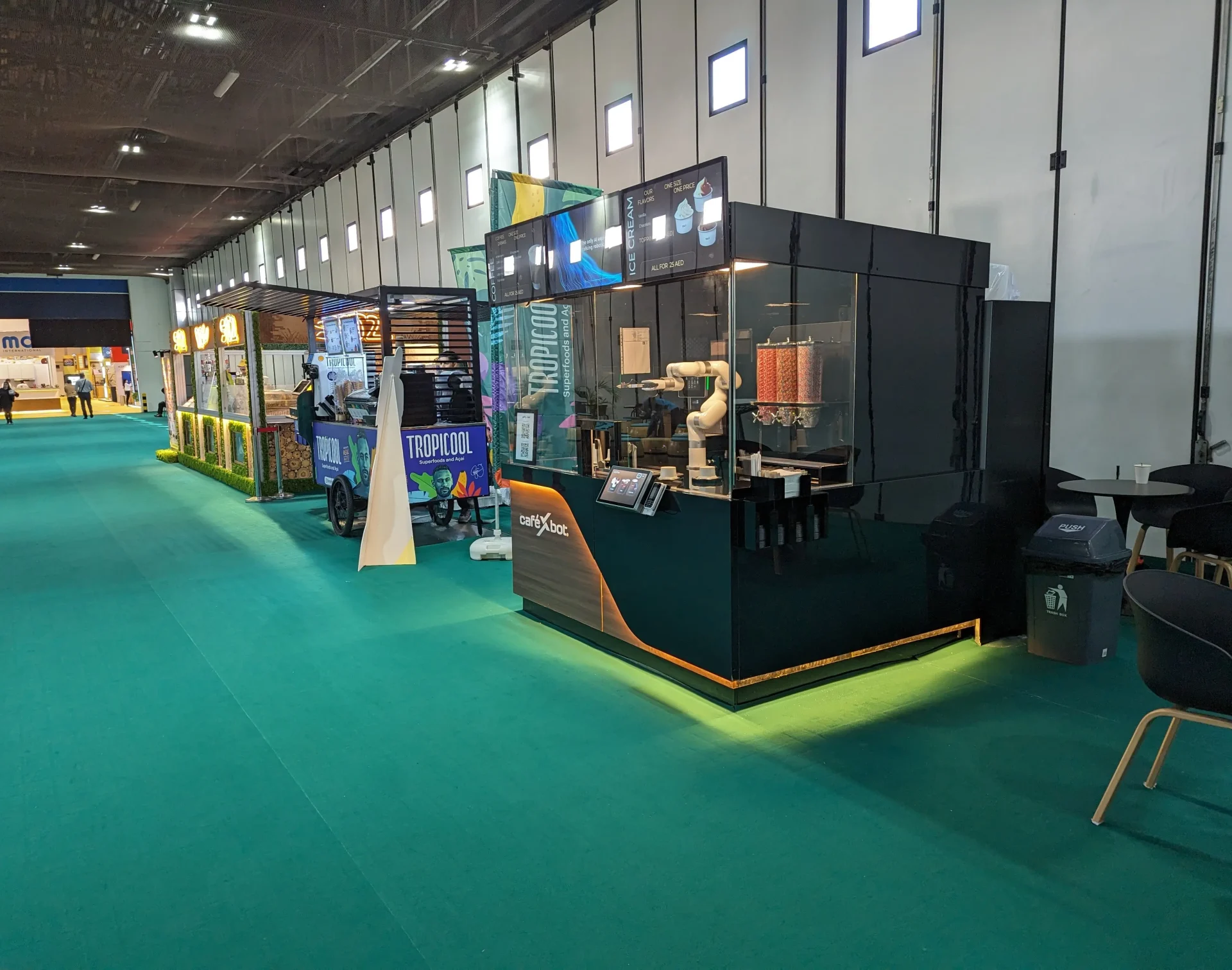
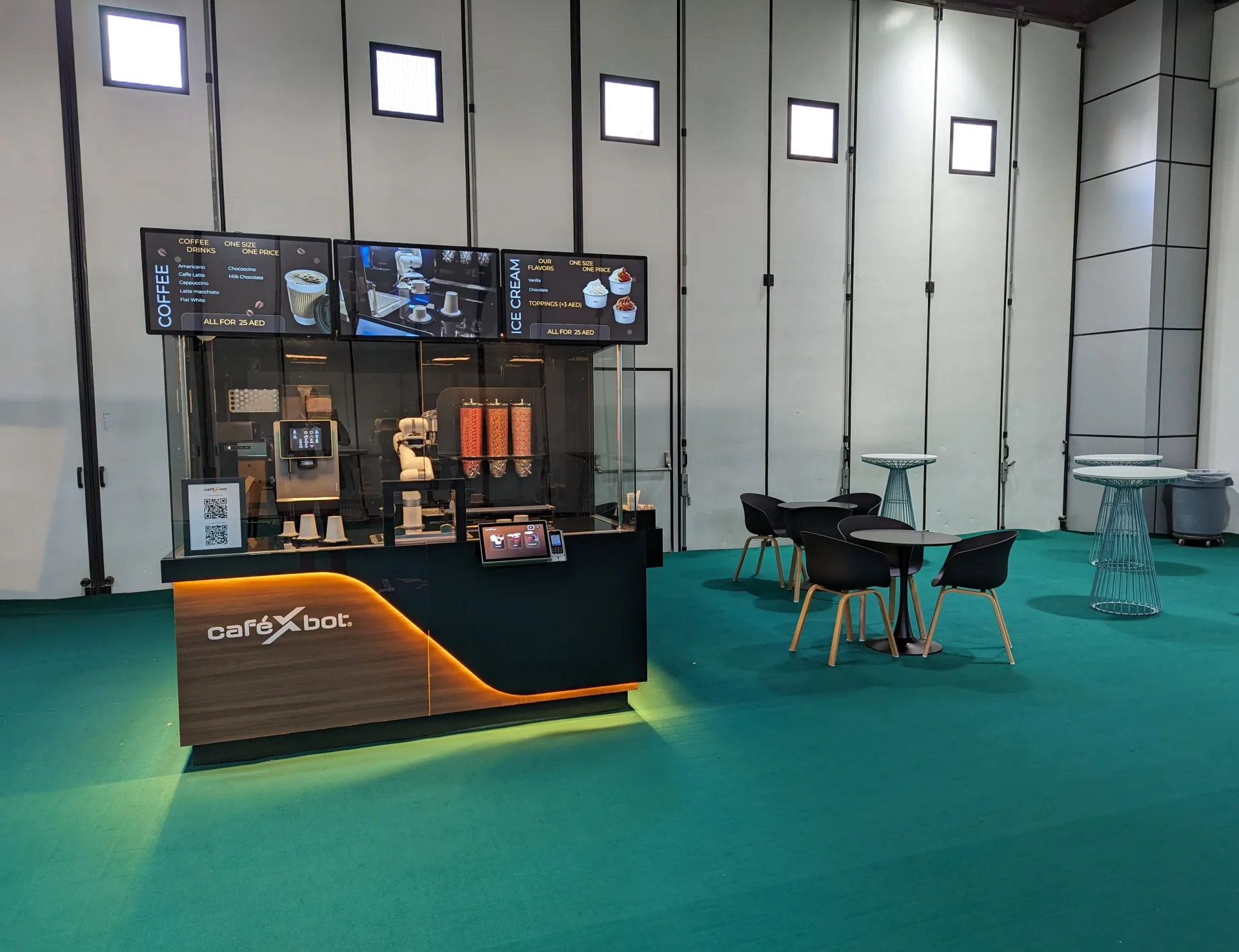
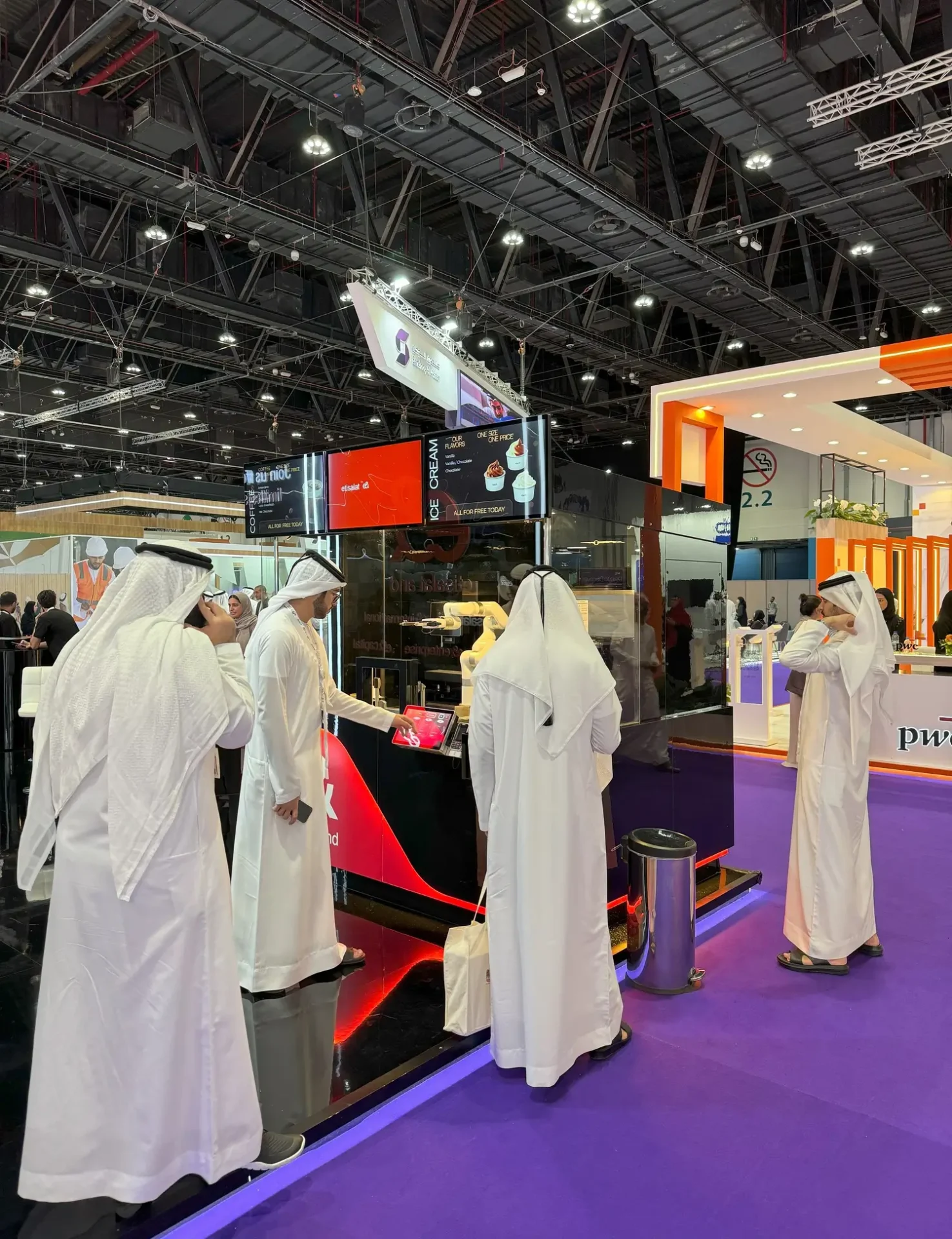
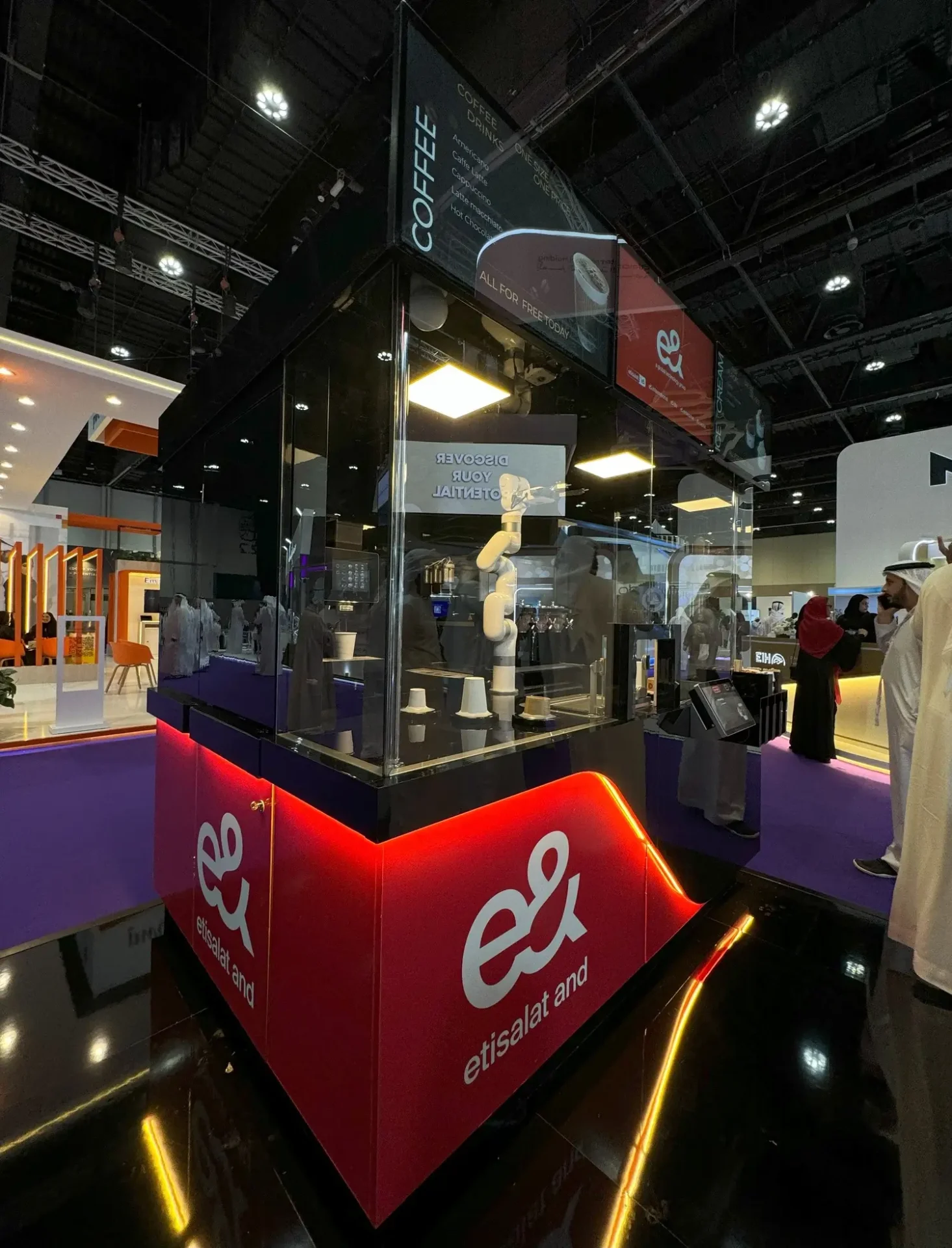
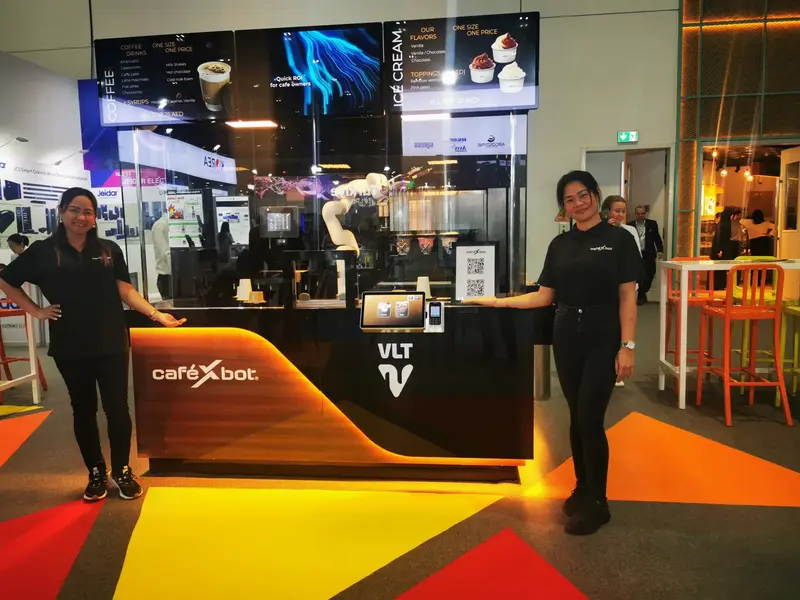
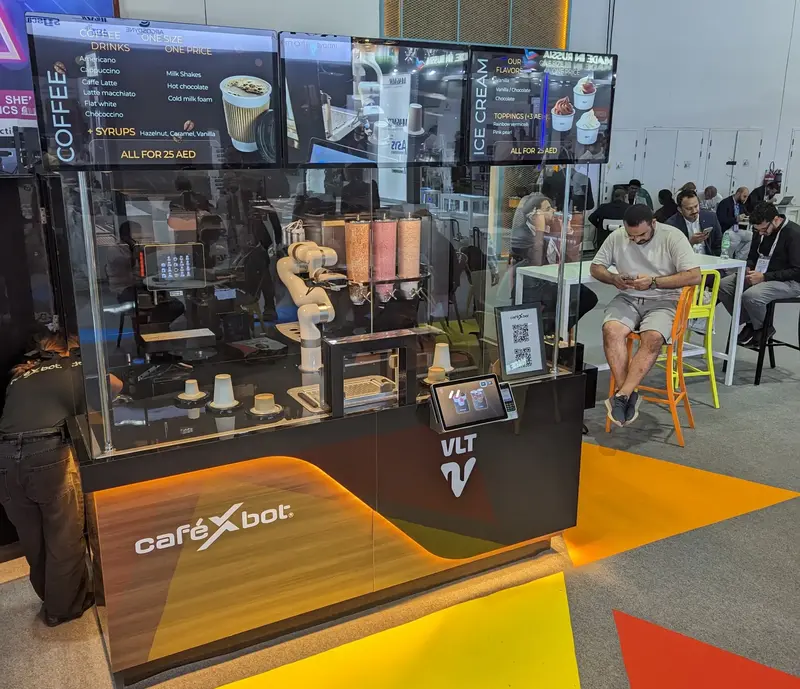
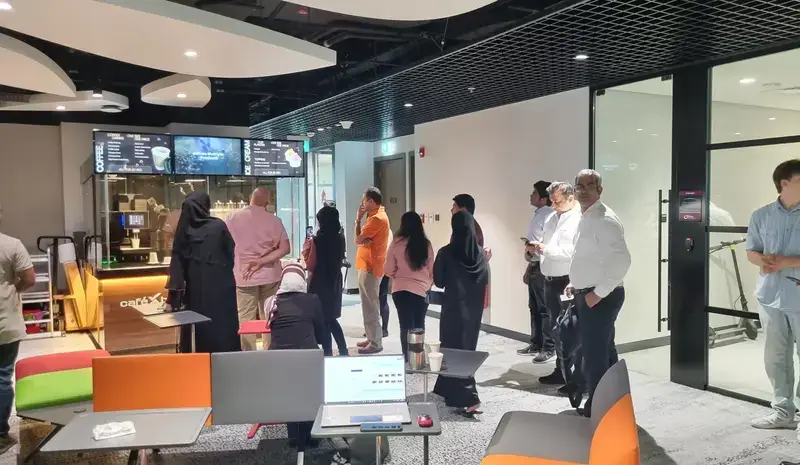
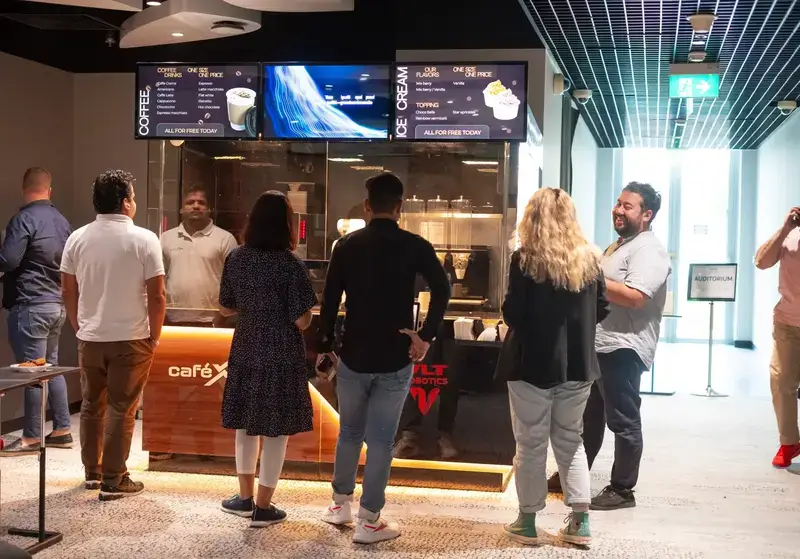
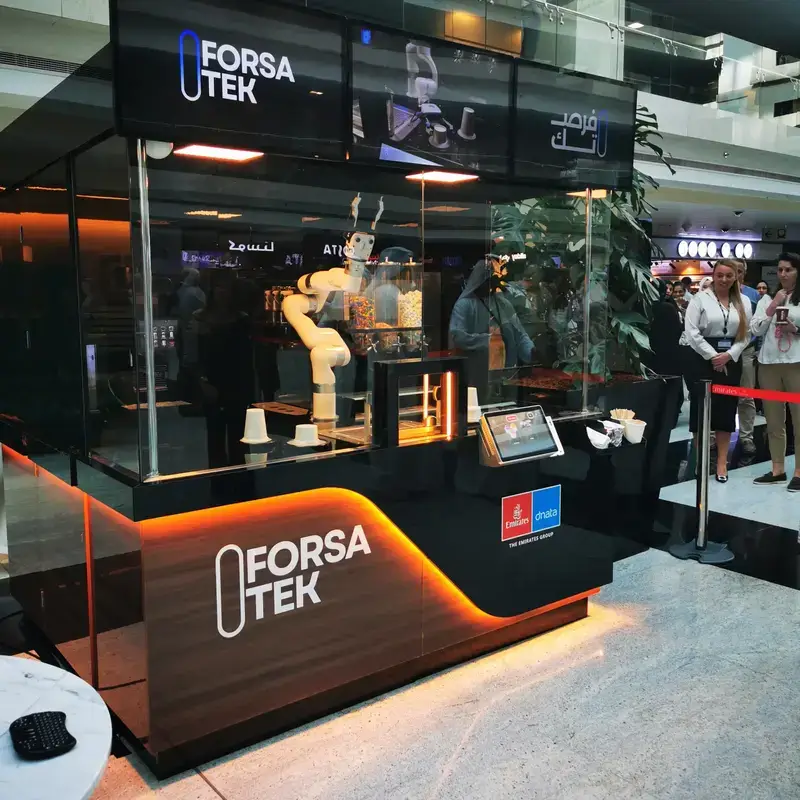
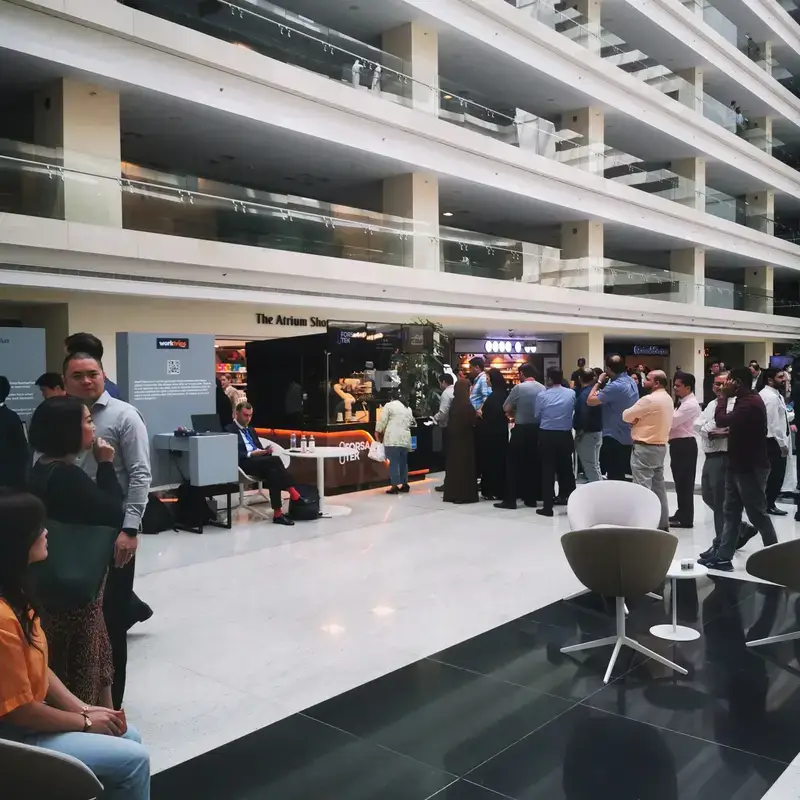
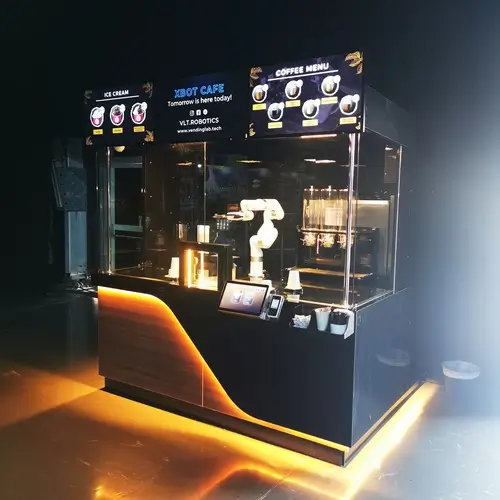
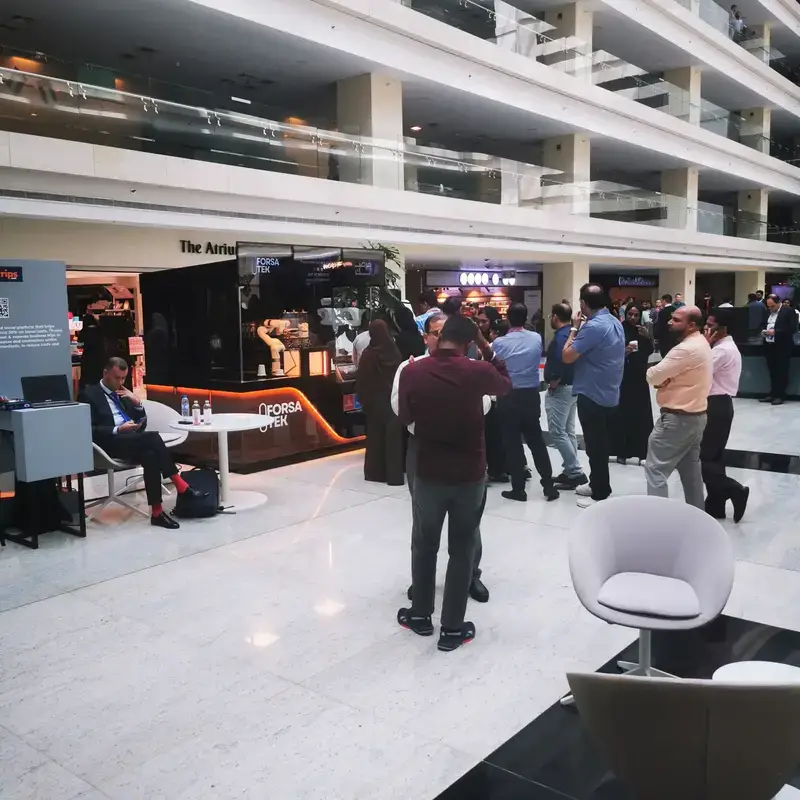
Chinese robotic café manufacturers generally serve three deployment models: compact kiosks, modular café stations, and managed turnkey installations. A kiosk fits a station concourse or office lobby, where a robotic arm prepares drinks behind clear panels. It needs reliable power, water access, and space for ingredient storage. Small footprint, real constraints.
Modular stations give operators more control. Manufacturers can combine brewing equipment, robotic handling, payment terminals, and refrigeration to match a site’s menu and layout. This model suits campuses, shopping centers, and hotels with existing staff nearby. Staff can refill cups, check ingredients, and handle unusual orders. Automation does not remove every daily task.
Turnkey deployments may include site planning, installation, software setup, and ongoing maintenance. Buyers should ask who responds when a robot stops, how quickly spare parts arrive, and what service costs after launch. A polished demonstration is useful, but peak-hour performance matters more. Ask for operating data from a comparable location, including drink preparation time and service interruptions. Details vary by site, and some manufacturers may offer less support than buyers expect. That deserves careful review.
Comparing Suppliers: ISO 10218 Safety, Output Capacity, Uptime, and Support
Choosing a robotic café manufacturer means testing claims against a real service routine. Ask how the supplier applies ISO 10218 requirements and documents the safety design for the complete installation. A robot arm alone does not describe the risks around counters, staff, customers, and cleaning tasks. Request a risk assessment, emergency-stop locations, guarding details, and procedures for safe access. Small details matter. Watch an operator refill cups while the machine runs; awkward reach or unclear controls can reveal design gaps.
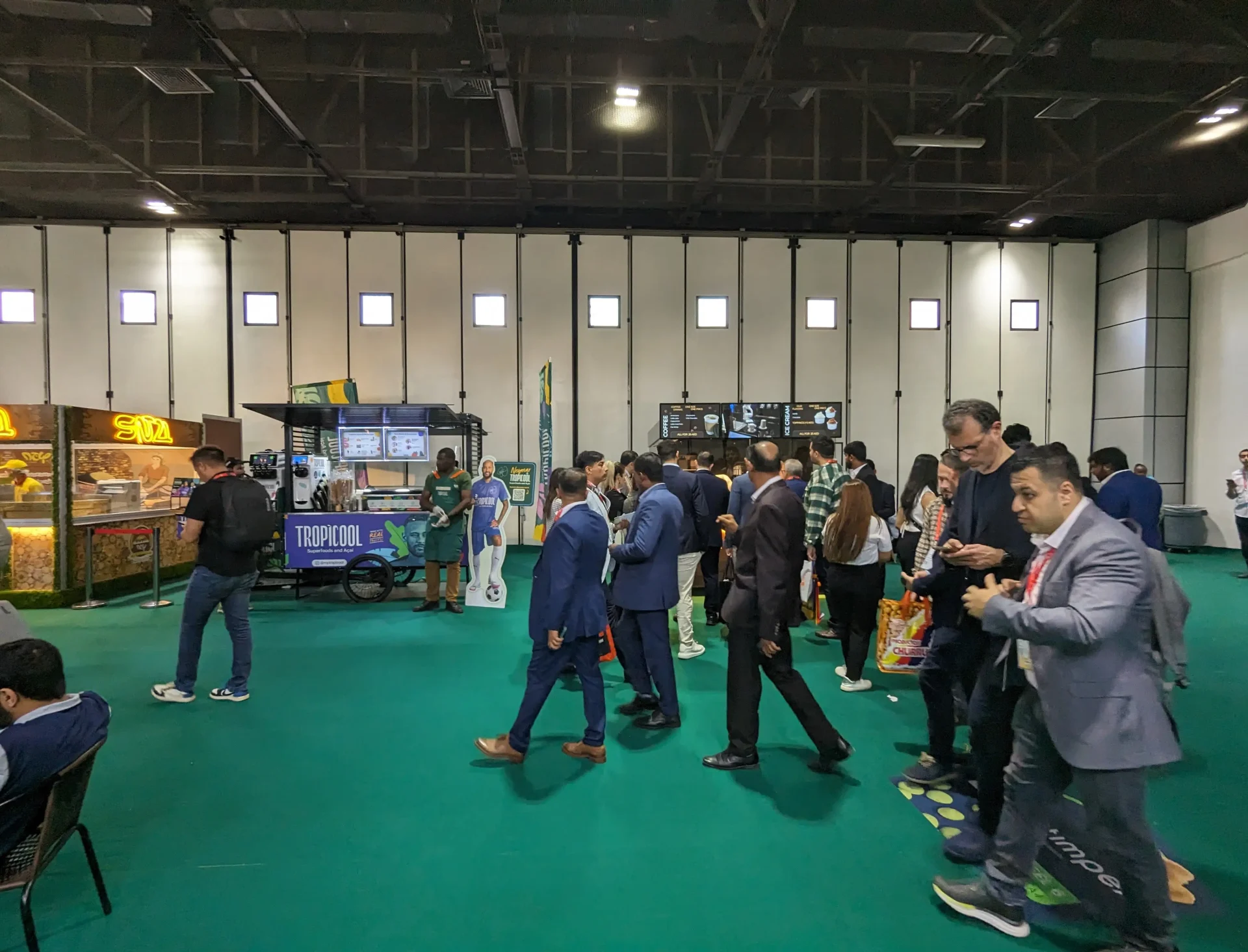
Compare output using your expected menu, not a short demonstration. Ask for drinks per hour across peak periods, including milk steaming, payment delays, and cleaning cycles. A busy morning tells more than a perfect five-minute test. Check uptime records over several months and ask how downtime is calculated. Does the figure include planned maintenance? It should be clear. For support, confirm response times, local technician availability, spare-part stocks, and staff training. Request a service log or customer references, with permission. I would still treat polished uptime figures cautiously; suppliers may measure them differently. A site visit can expose that mismatch.
Related Posts
-
Why Are Robot Cafes a Smart Global Investment?
-
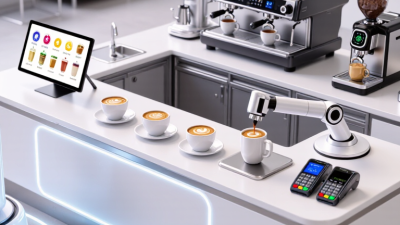
What Are the Top Robot Cafe Trends for 2026?
-
2026 Best Robot Coffee Barista for Global Buyers?
-
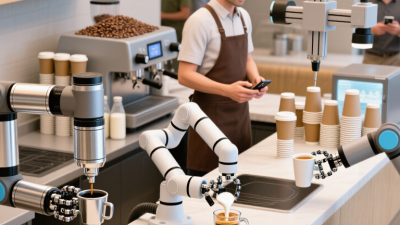
What Are the Top Types of Coffee Robot Arms?
-
Revolutionizing the Coffee Industry with Cutting Edge Coffee Robot Technology for Global Buyers
-
Top 10 Café Robot Manufacturers from China at the 137th Canton Fair