Top Coffee Automation Machine Manufacturers in China
Coffee service in China is scaling quickly, and consistency matters as much as speed. World Coffee Portal’s Project Café China 2024 reported 49,691 branded coffee outlets in mainland China in 2023, a 58% increase year over year. That expansion creates practical pressure on operators: queues grow, drink recipes must stay consistent, and staff need equipment they can learn quickly.
The broader market is large too. The International Coffee Organization estimated global coffee consumption at 177.0 million 60-kilogram bags in coffee year 2023/24. This figure describes coffee consumption, not machine sales, so it should not be treated as direct proof of equipment demand. Still, it helps explain why cafés, hotels, offices, and convenience stores are investing in repeatable preparation workflows. Coffee Automation now covers more than automatic espresso machines. It can include grinders, milk systems, bean-to-cup units, and connected vending equipment.
This guide examines leading coffee automation machine manufacturers in China through practical criteria: product range, brewing consistency, customization, certifications, service coverage, and spare-parts access. Buyers should compare these details against daily cup volume and local maintenance capacity. A polished product page is not enough. Ask for test results, warranty terms, and a live demonstration with your beans and recipes. Small details matter.
Automation can reduce repetitive work, but it cannot fix poor training or weak service planning. Some specifications also look better on paper than they perform during a busy morning. This shortlist is a starting point, not a substitute for supplier checks. The best machine is the one that fits the workflow and remains supportable after installation.
Main Types of Coffee Automation Machines Made in China
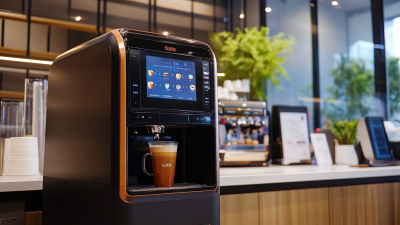
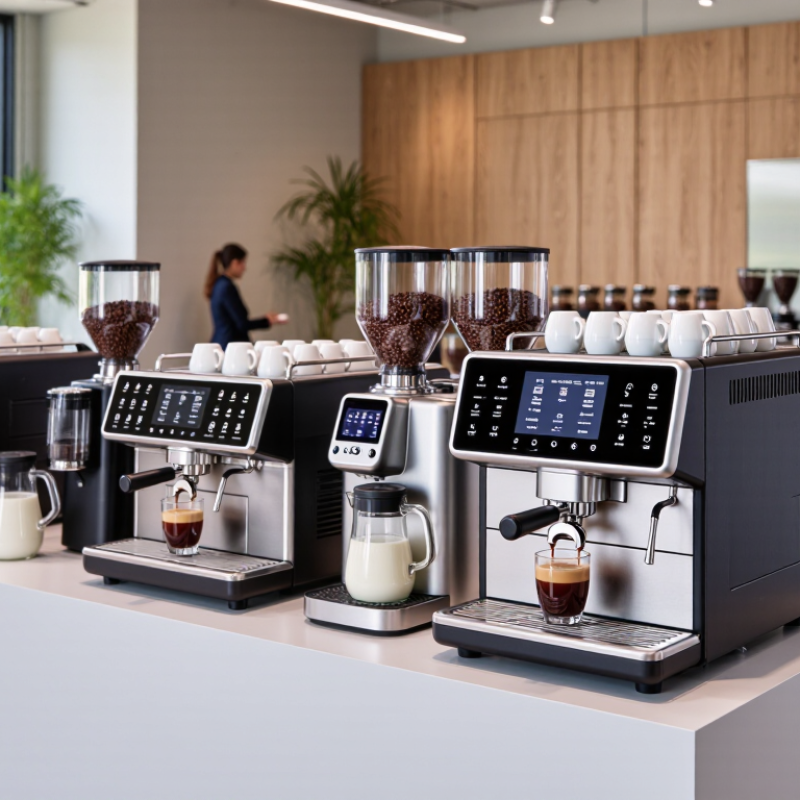
Coffee automation machines made in China cover several distinct formats. Bean-to-cup machines grind whole beans, dose coffee, and brew each cup on demand. Many use touchscreens and adjustable settings for drink size, strength, and temperature. They suit offices, hotels, and cafés where customers expect varied drinks without a trained barista at every station. Grinder access matters. A clogged chute can affect both speed and flavor.
Automatic espresso machines are another common type. Commercial models may include built-in grinders, programmable brew groups, and automatic milk systems. Batch brewers take a different approach, producing larger volumes of filter coffee for breakfast rooms or workplace service.
Self-service vending machines combine brewing, payment, and dispensing in one cabinet. Their compact footprint can help in corridors or small kiosks, though refilling water, beans, and cups still takes regular attention.
The right machine depends on daily cup volume, drink range, and available maintenance support. A high-output unit may be unnecessary for a small counter. Milk systems need frequent cleaning, while hard water can increase scale buildup. Buyers should check capacity, spare-part availability, and service access, not just menu options. Specifications can look impressive on paper. Real-world testing is still useful, and I would not assume every advertised setting performs equally well across different beans or operating conditions.
How Automated Coffee Machines Support Commercial Operations
Automated coffee machines help cafés, hotels, and workplace kitchens serve familiar drinks during busy periods.
A stored recipe can control dose, water volume, and brewing time, reducing variation between shifts.
Consistency matters.
It gives staff a reliable starting point, though beans, humidity, and grinder settings still affect the cup.
In a morning rush, automation can shorten repetitive steps: selecting a drink, grinding beans, and starting extraction.
Staff can spend more time taking orders, checking milk supplies, or clearing tables.
For operators, useful features include clear controls, adjustable recipes, and accessible parts for routine cleaning.
A machine that is difficult to clean may slow service later, even if it brews quickly.
Capacity should match real demand, not an optimistic sales forecast.
A small office may need a different setup from a hotel breakfast area serving dozens of guests at once.
Track drink volume, refill frequency, and downtime before choosing equipment.
Machines still need descaling, calibration, and trained operators.
They are not set-and-forget.
Automation can improve workflow, but it cannot fix poor maintenance or an awkward service layout.
A few manual checks each day help catch problems before customers notice them.
Notable Coffee Automation Machine Manufacturers in China
China’s coffee automation machine manufacturers serve cafés, roasters, and beverage production facilities with equipment at different scales. Notable suppliers often specialize in automatic espresso systems, bean-to-cup machines, grinders, or integrated drink stations. Their strengths are not identical. Some focus on compact machines for busy counters, while others build configurable equipment for larger operations.
When comparing manufacturers, examine the details behind the product sheet. Ask for brewing temperature stability, dose consistency, cleaning access, and spare-part availability. Request a live test using the coffee and milk your staff actually use. Watch the machine during repeated orders, not just one polished demonstration. Details matter.
A reliable supplier should provide clear operating instructions, realistic maintenance schedules, and responsive technical support. Check whether installation and training are included, and clarify warranty terms in writing. Not every line. A small weakness in service can outweigh an impressive touchscreen. It is also worth asking how the equipment performs with local water conditions and long shifts. Factory capacity alone does not prove a machine will suit your workflow; careful testing may reveal awkward controls or cleaning steps that brochures leave out.
Key Manufacturing Technologies and Capabilities
Top Coffee Automation Machine Manufacturers in China
Key Manufacturing Technologies and Capabilities
Coffee automation depends on more than a sleek housing or touchscreen. Reliable machines coordinate grinding, dosing, brewing temperature, water flow, and extraction time. Small changes matter. A burr adjustment or unstable heater can alter the taste from one cup to the next. Manufacturers with strong engineering teams use sensors and control software to keep these variables within defined ranges, while allowing practical adjustments for different beans and drinks.
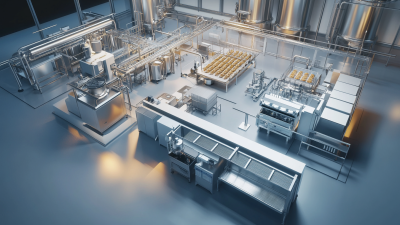
Production capability shows in the details. Precision-machined parts help keep grinders aligned, and consistent assembly protects seals, pumps, and electrical connections. Stainless steel panels and accessible internal layouts can make routine cleaning and servicing easier. Calibration checks during assembly are useful, but they need clear records and repeatable procedures. A polished sample machine alone does not reveal how consistently a factory can build a full production run.
Testing should reflect real operating conditions. Technicians can run repeated brewing cycles, check temperature recovery, and inspect how the machine responds to different water flow rates. Cleaning access matters, too; hidden residue points are easy to miss during design reviews. Still, no factory test bench perfectly recreates a busy café. Buyers should ask for test methods, component specifications, and maintenance guidance, then compare the answers carefully. A vague answer is worth questioning.
How to Compare Chinese Coffee Machine Manufacturers
How to Compare Chinese Coffee Machine Manufacturers
Compare manufacturers through evidence, not polished showroom claims. Ask for a live test using your beans, water, and target drink sizes. Measure dose consistency, temperature stability, extraction time, and milk-steaming recovery across repeated cycles. Small differences become obvious when a busy café serves drinks back to back.
The Specialty Coffee Association’s brewing guidance places ideal brewed-coffee extraction around 18–22%, with total dissolved solids around 1.15–1.35%. These figures offer useful reference points, though espresso recipes need separate testing. Request test logs, calibration procedures, and samples from multiple production units. One perfect demo is not enough. Also inspect food-contact materials, cleaning access, spare-part availability, and warranty response times.
Factory scale can help, but it is not a quality certificate. The International Federation of Robotics’ World Robotics 2024 report records 276,288 industrial robot installations in China in 2023, about 51% of global installations. This indicates strong manufacturing capacity, not coffee-machine consistency. Ask how each unit is inspected before shipment, and whether the supplier can share traceable quality records. I would still verify those records independently; paperwork can look reassuring while leaving real-world performance unclear.