
Top 10 Tips for Buying a Phone Case Printer Today?
In today’s fast-paced digital world, finding the right Phone Case Printer is essential. The booming market for custom phone cases means businesses and individuals seek quality, efficiency, and unique designs. Industry expert Mark Johnson states, "A good phone case printer can transform your ideas into reality." This highlights the importance of choosing wisely.
Consider the variety of printers available. Each model offers different features and capabilities. Some excel in speed, while others focus on detailed prints. Understanding your specific needs is crucial. Price can significantly vary, reflecting quality and technology.
Before purchasing, evaluate your priorities. Do you value durability or creativity in designs? Reflect on what you can sacrifice for quality. There is often an urge to buy the latest model. However, older models may serve your needs just as well. It's a journey of learning and adapting to find the perfect fit.
Understanding Your Needs: Defining Purpose and Functionality
When considering a phone case printer, it's essential to understand your unique needs. Start by defining the purpose of your printer. Are you prioritizing personal use or do you plan to run a small business? Understanding the intended functionality will guide your decision-making process efficiently.
For instance, if you want to create custom designs for friends or family, a compact printer could suffice. However, for business operations, a high-capacity printer may be necessary. Assess how often you will use it and in what capacity. This will help in selecting the right model.
When buying a printer, consider the types of materials you'll be using. Different printers handle various types of cases, from silicone to hard-shell options. Research the capabilities of each model. Not all printers provide the same quality, and this might lead to unexpected results. Test different options first if possible. Aim for an educated choice.

Evaluating Printer Types: Inkjet vs. Thermal vs. UV
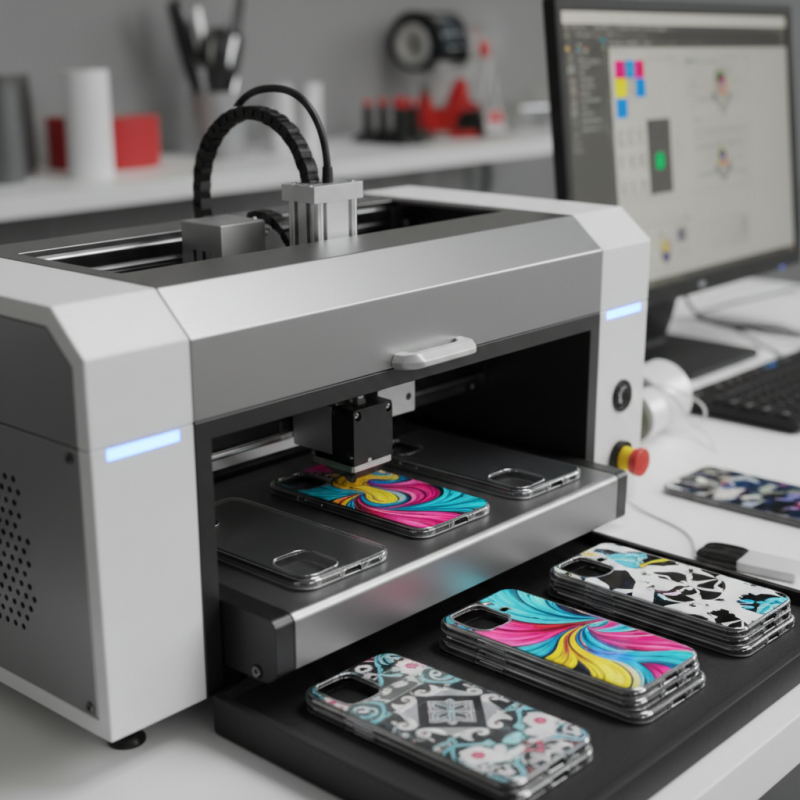
When considering a phone case printer, the type of printing technology plays a crucial role. Inkjet printers offer versatility, allowing for vibrant colors and intricate designs. They work by spraying tiny droplets of ink onto the case's surface. This method is ideal for detailed images but comes with drawbacks. Ink costs can be high, and drying times can vary. Regular maintenance is necessary to prevent clogging.
Thermal printers, on the other hand, use heat to transfer ink. They produce durable prints, resistant to fading. The prints can endure wear and tear, making them suitable for everyday cases. However, the color range may be limited compared to inkjet technology. Users might find a need to adjust expectations, especially if they prefer vivid color saturation.
UV printers use ultraviolet light to cure inks instantly, resulting in sharp and durable outputs. This technology offers excellent adhesion to various materials, providing flexibility in design. Yet, UV printers often require a larger investment and can be complex to operate. Users must weigh the initial costs against the long-term benefits of quality and durability. Each printing method presents unique advantages and challenges that require careful consideration.
Key Features to Consider: Speed, Print Quality, and Size
When choosing a phone case printer, speed, print quality, and size are essential features to evaluate. Print speed affects your workflow. A faster printer can handle more orders in less time. If you are running a busy shop, consider investing in a model with high output rates. However, speed should not compromise quality.
Print quality is crucial for customer satisfaction. Look for printers that can produce sharp, vibrant images. A printer with high DPI (dots per inch) can provide clearer and more detailed prints. Take note of the different media it can handle as well. Some printers only work with specific materials, limiting your options.
Size matters as well, both in terms of the printer itself and the phone cases you plan to print on. A compact printer fits easily in a small workspace. However, ensure it has ample capabilities for larger phone models. Balancing these aspects can be tricky. Spend time researching and reading reviews from other users. Their experiences can offer valuable insights, helping you make an informed decision.
Top 10 Tips for Buying a Phone Case Printer
Budgeting Wisely: Analyzing Costs and Return on Investment
When considering the purchase of a phone case printer, budgeting is crucial. Analyzing costs not only saves money but also ensures a worthwhile investment. Start by assessing the initial costs. Look at the printer price, maintenance, and supplies. These factors cumulatively affect your budget.
Expect ongoing costs like ink and specialty materials. Plan for these expenses, as they can sneak up on you. This foresight allows you to compare different models effectively. A few hundred dollars saved upfront can lead to larger expenses later.
It's wise to calculate potential revenue. Estimate how much you could earn per print, factoring in the market demand. This analysis helps you find a sweet spot in pricing. Additionally, consider return on investment (ROI). A printer that seems expensive at first might yield better profits in the long run. Balancing your budget with anticipated returns can guide your decision.
Remember, while shiny and new might attract you, practical choices based on real needs deliver the best results. This is an area where reflection can lead to better choices.
Researching Brands and Reviews: Getting Insights from Users
When diving into the purchase of a phone case printer, understanding user experiences is crucial. Reviews from actual users can provide insights into the performance and reliability of the printer. Reading multiple reviews helps you get a balanced view. Look for comments about quality and ease of use. Users often share their successes and frustrations, so take note of both.
Researching different brands can be overwhelming. Focus on those that have a solid reputation for customer service. Don’t shy away from feedback that includes negative experiences. These can reveal potential issues you might encounter. It's essential to assess the overall sentiment. A printer with many rave reviews but some critical notes could still be a viable choice.

Always remember that what works for one might not work for you. Personal preferences vary widely. Some users prioritize speed while others might focus on color accuracy. Reflect on what matters most for your projects. Engaging with user communities online can further enrich your understanding and aid your decision-making process.