Top 5 Tips for Sourcing Aluminum CNC Parts Effectively?
Sourcing Aluminum Cnc Parts can be challenging. It requires a keen understanding of the materials, processes, and suppliers involved. Many businesses seek ways to streamline their operations and enhance product quality. Selecting the right CNC parts can significantly impact overall manufacturing success.
Effective sourcing begins with knowing what you need. Specifications and tolerances matter. Not every supplier can meet the required standards. Therefore, thorough research is essential. Many companies overlook the importance of quality certifications. Without this, you may face unexpected issues.
Engaging with multiple suppliers allows for better comparisons. Some may offer lower prices but compromise on quality. Reflect on past sourcing experiences. Were there instances where haste led to regret? Learning from these can inform better choices in the future. In the end, sourcing aluminum CNC parts effectively can enhance productivity and ensure successful outcomes in your projects.
Understanding the Importance of Quality in Aluminum CNC Parts Sourcing
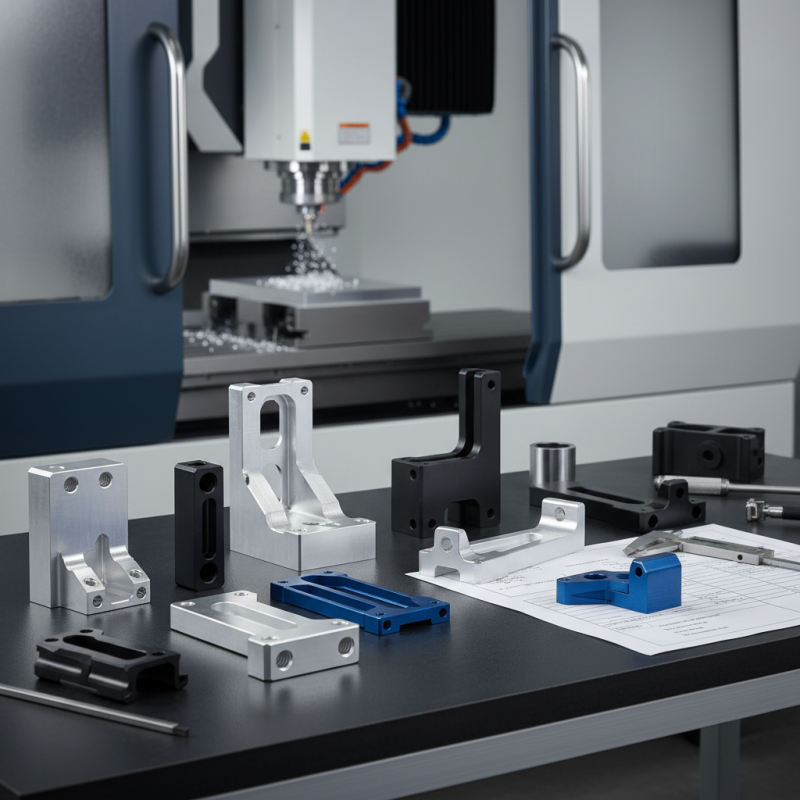
When sourcing aluminum CNC parts, quality is paramount. The materials used and the precision of the machining process greatly affect the final product's performance. Low-quality parts can lead to increased wear and tear, which may result in costly repairs or replacements. Ensuring that you understand the quality standards required for your specific applications can save time and money in the long run.
One effective tip for sourcing is to request samples before making a large order. This allows you to assess the craftsmanship and materials used. Often, companies may supply samples that look good but do not function as intended. Take the time to test various samples under your operational conditions. It's a step that can prevent major issues later.
Another consideration is the supplier's quality assurance practices. Verify if they follow established standards. Certifications like ISO can be good indicators of reliability. Don't hesitate to ask about their production processes. A lack of transparency might indicate potential quality issues. By scrutinizing the supplier's practices, you can gain confidence in the parts you are sourcing. Remember, good sourcing is an ongoing challenge, not just a checkbox task.
Identifying Reliable Suppliers for Aluminum CNC Parts
Identifying reliable suppliers for aluminum CNC parts is crucial for successful projects. Start by researching suppliers online. Check their websites for details about their capabilities and past projects. Look for customer testimonials or reviews that highlight their reliability. A company showcasing extensive experience can usually be trusted.
Engaging with potential suppliers is essential. Ask them about their production processes. Inquire about their quality control measures. A dependable supplier should be transparent about these practices. Request samples to assess the quality of their work. Evaluate how promptly they respond to inquiries. Responsiveness can indicate how they handle larger orders.
Don’t overlook industry connections. Suppliers often gain credibility through partnerships and certifications. Explore their affiliations with trade organizations. This can signify a commitment to quality standards. Using this method can help prevent future issues and ensure a smoother manufacturing process. Over time, learning about the strengths and weaknesses of different suppliers will enhance your sourcing strategy.
Evaluating the Cost-Effectiveness of CNC Machining Options
Evaluating the cost-effectiveness of CNC machining for aluminum parts demands careful analysis. According to industry reports, CNC machining can reduce labor costs by up to 30% through automation. This reduction is crucial for businesses aiming to maximize profit margins. However, the initial investment in CNC equipment can be steep. Reports suggest that companies should expect to pay tens of thousands of dollars for high-quality machines.
Material costs also play a significant role in overall expenses. The price of aluminum fluctuates, often influenced by global demand and supply chain issues. Recent data shows that aluminum prices have increased by approximately 15% over the past year. Choosing a reliable supplier can mitigate these challenges. Additionally, sourcing locally might offer transportation savings, although initial production costs might be higher.
Another factor to consider is the precision of the machining process. Higher precision often comes at a premium but leads to less material waste. The reduction in scrap can offset some costs, but only if the production runs are large enough. It’s essential to frequently review production metrics. Are you achieving the desired accuracy? Reflecting on past projects can provide insights to improve future sourcing decisions.
Top 5 Tips for Sourcing Aluminum CNC Parts Effectively
| Tip | Description | Cost-Effectiveness Factor | Recommended CNC Machining Option |
| 1. Define Specifications Clearly | Ensure precise details such as dimensions, tolerances, and finishes are specified to avoid rework. | High initial investment, but reduces long-term costs. | 5-Axis CNC Machining |
| 2. Choose the Right Material | Selecting the appropriate grade of aluminum that fits both performance and budget needs is crucial. | Moderate savings on raw materials can lead to significant overall savings. | Aluminum 6061 |
| 3. Optimize Design for Manufacturability | Simplifying designs can reduce machining time and costs. | Significant cost reductions through less machining complexity. | 2D CNC Machining |
| 4. Evaluate Supplier Capabilities | Assess the machinery and expertise of suppliers to ensure they can meet your needs. | Invest in reputable suppliers to avoid costly errors. | Established CNC Workshops |
| 5. Request Multiple Quotes | Getting quotes from various suppliers can help in negotiating better prices. | Potentially substantial cost savings if negotiating effectively. | Comparison Shopping |
Assessing Design Specifications for Aluminum CNC Parts
When sourcing aluminum CNC parts, understanding design specifications is critical. Specifications dictate the manufacturing process. They include tolerance levels, surface finish requirements, and material properties. These factors influence the final product's functionality and durability.
Accurate measurements and clear communication are essential. In many cases, designers overlook tolerance requirements. This can lead to parts that do not fit well together. Size discrepancies can cause significant delays in production. It is crucial to double-check dimensions and requirements before sending designs to manufacturers.
Another area to focus on is surface finish. A rough finish may be cheaper, but it can affect the part’s performance. In contrast, a smoother finish might ensure better adhesion if painting or coating is required. This is often an underappreciated aspect that demands careful consideration. Engaging with experienced manufacturers can provide insights into the best practices for achieving the desired finishes. Good design specifications will reflect a balance between cost, quality, and usability.
Top 5 Tips for Sourcing Aluminum CNC Parts Effectively
This bar chart illustrates the importance levels of different criteria when sourcing aluminum CNC parts. Key factors such as design accuracy and material quality are critical in ensuring effective sourcing.
Ensuring Compliance with Industry Standards and Regulations
Sourcing aluminum CNC parts effectively requires a keen understanding of industry standards and regulations. Compliance is not just bureaucratic; it ensures quality and safety. According to a report by the International Organization for Standardization (ISO), nearly 70% of manufacturers prioritize compliance to improve product reliability.
Tip 1: Know the relevant standards. Each industry may have its specific regulations, such as the ASTM (American Society for Testing and Materials) standards for aluminum alloys. Familiarizing yourself with these ensures that your sourced parts meet the necessary criteria. Research is essential.
Many manufacturers overlook documentation. Accurate records not only establish compliance but can also enhance trust with clients. Quality certifications, like ISO 9001, are vital; they demonstrate a commitment to maintaining high standards. A recent survey indicated that companies with certified suppliers reported 25% fewer compliance issues.
Tip 2: Audit your suppliers regularly. Regular audits help maintain compliance. This should include a review of their manufacturing processes, quality control measures, and adherence to safety regulations. Non-compliance can lead to expensive recalls or legal repercussions.
Staying informed about changing regulations is crucial. The industry is dynamic, and standards may evolve. A proactive approach to compliance can mitigate risks. Embrace a culture of continuous improvement, and engage with industry bodies to stay ahead.