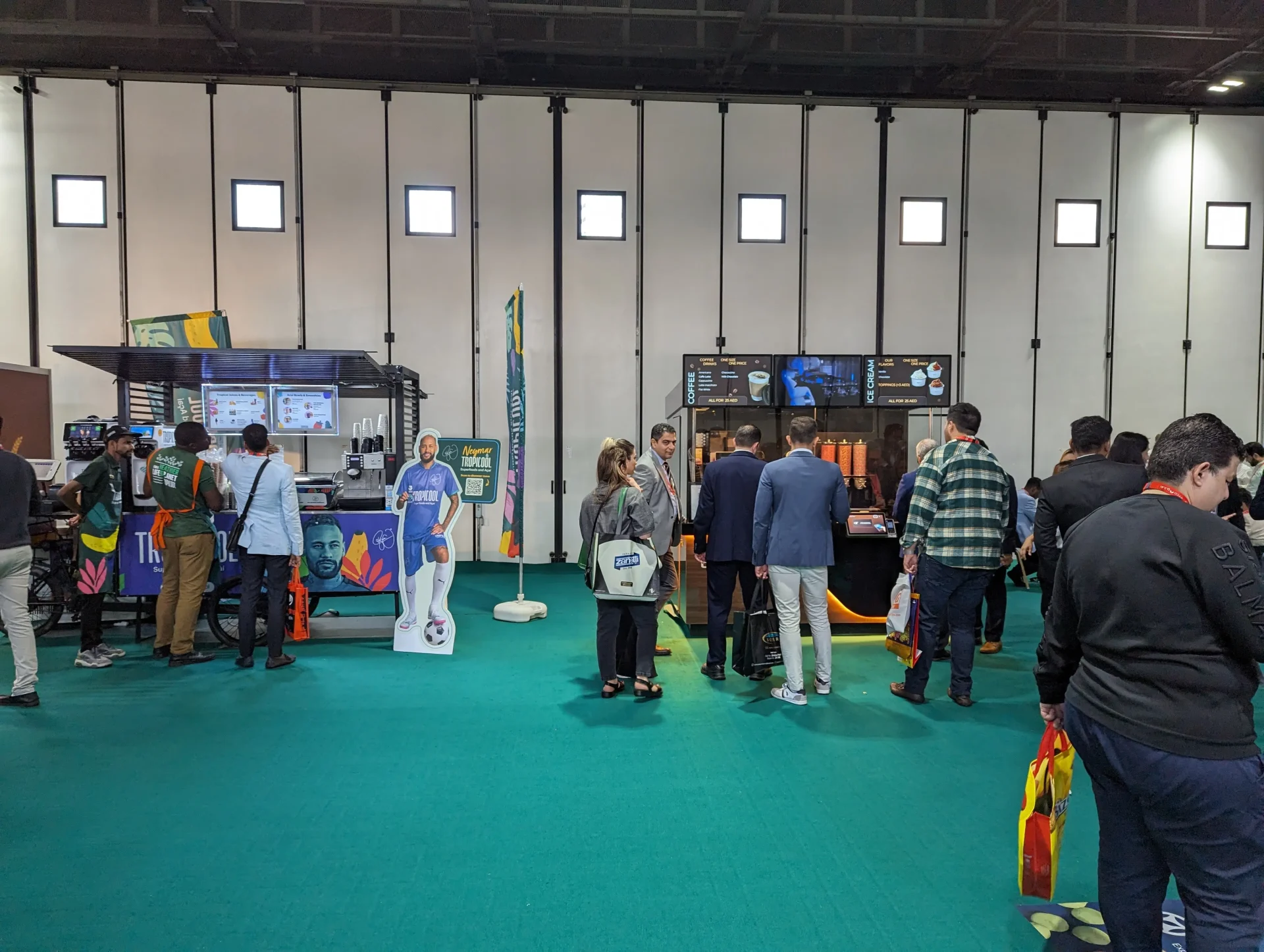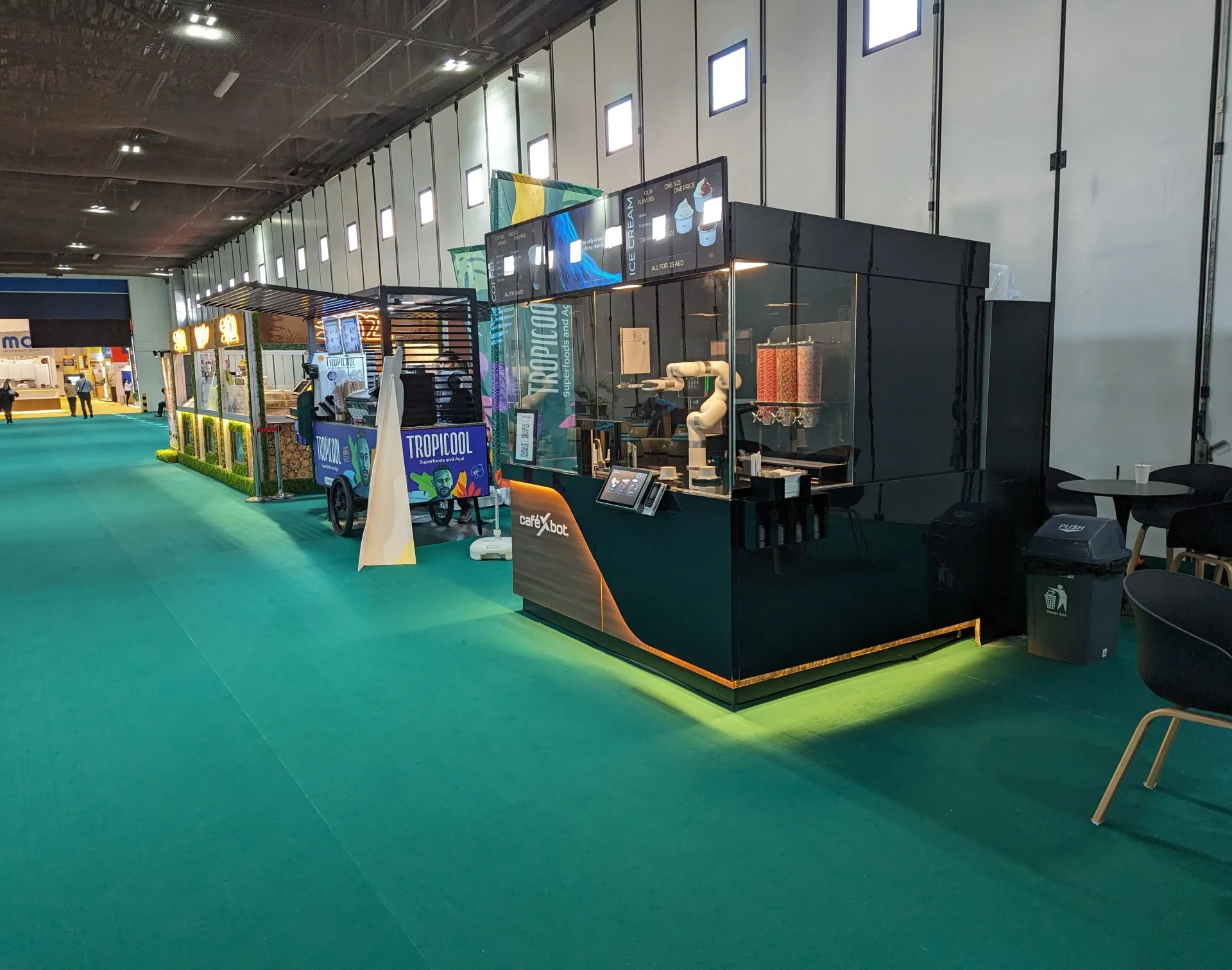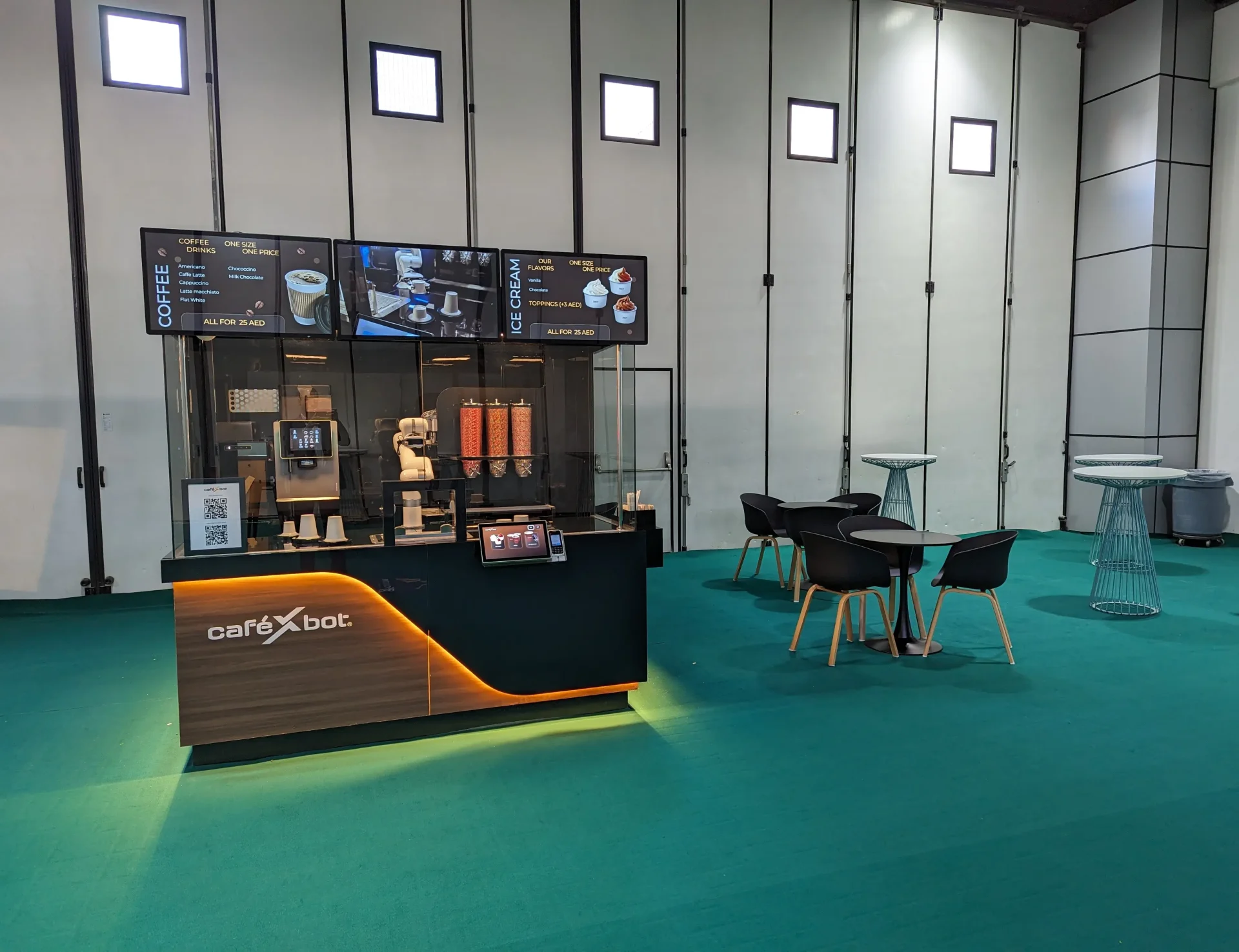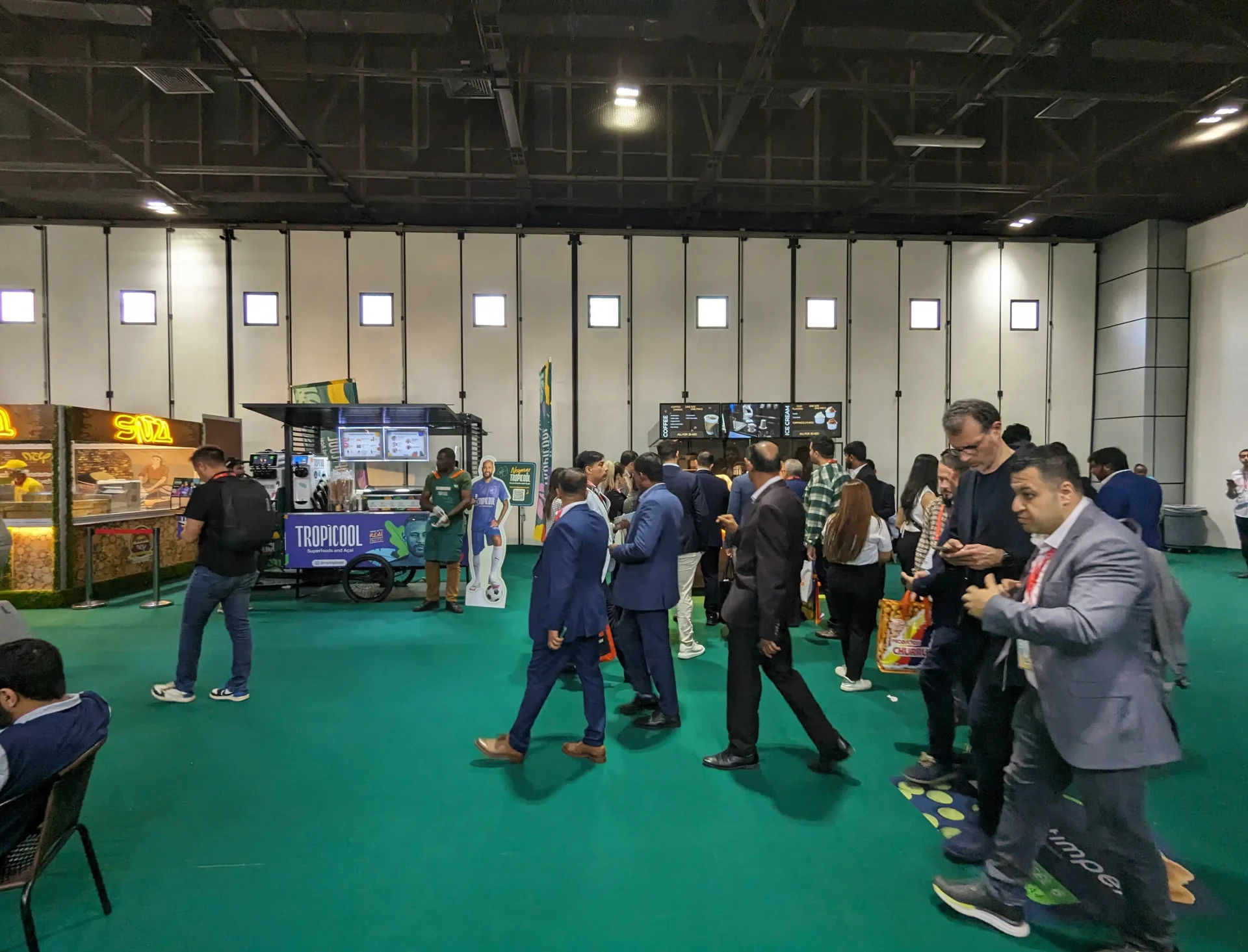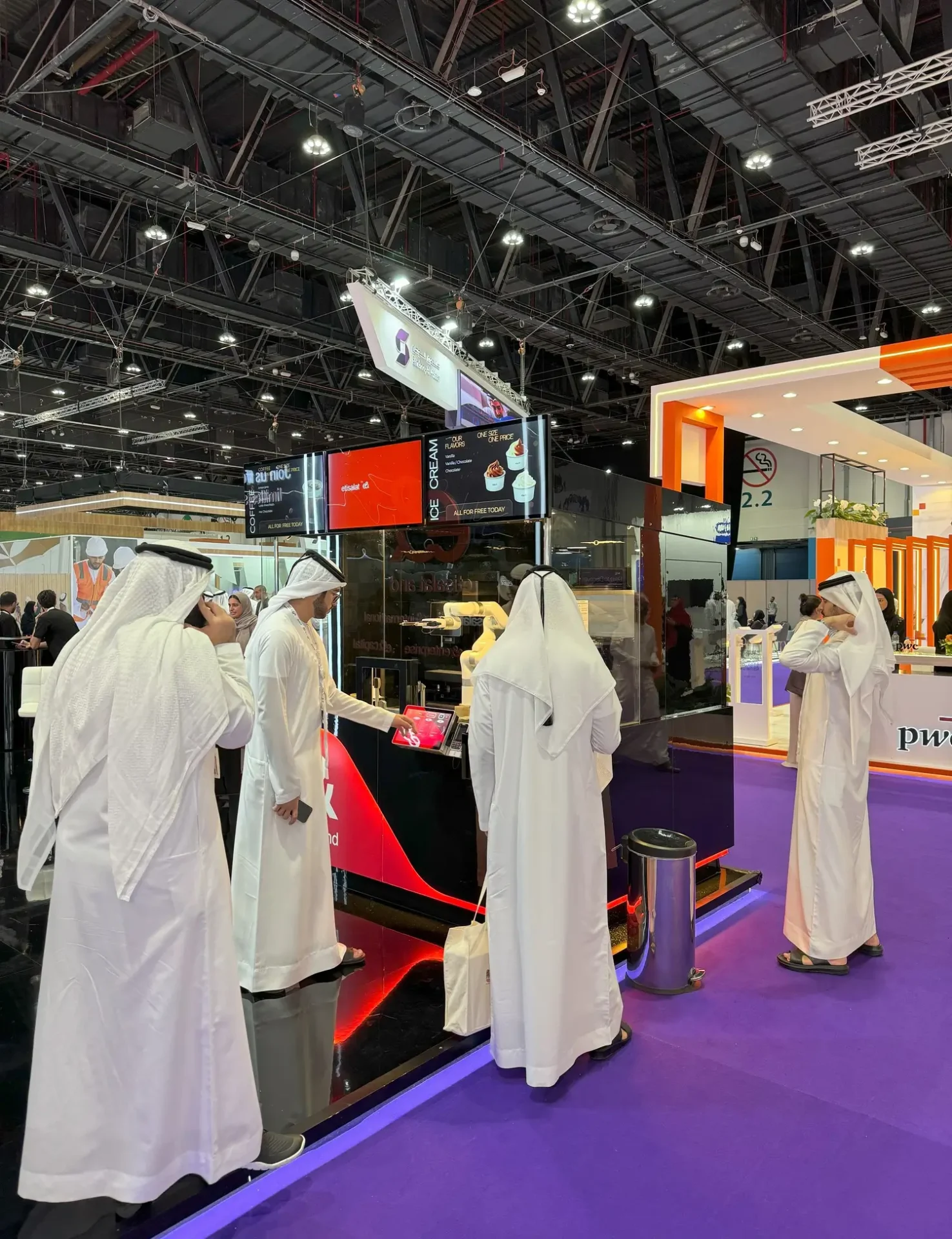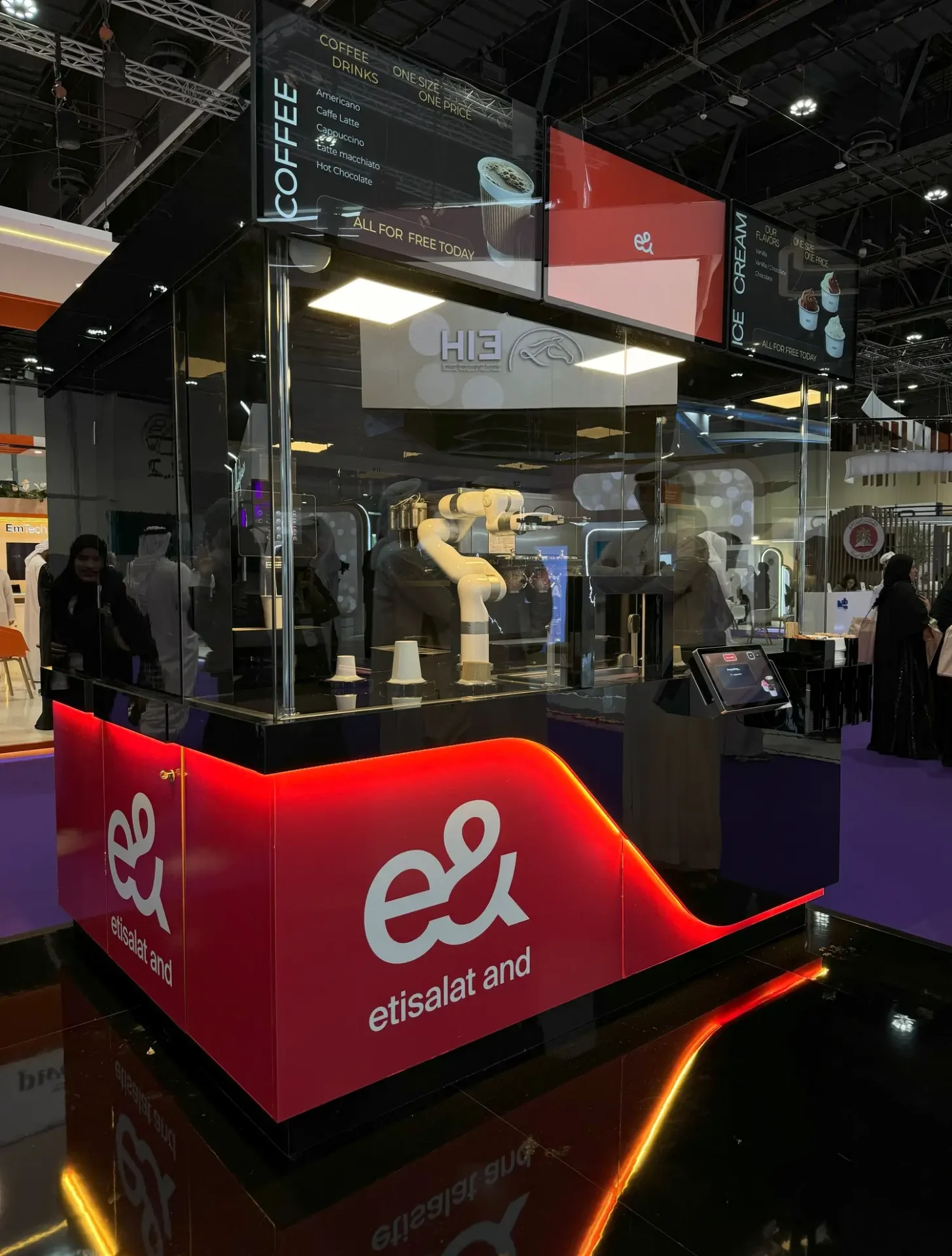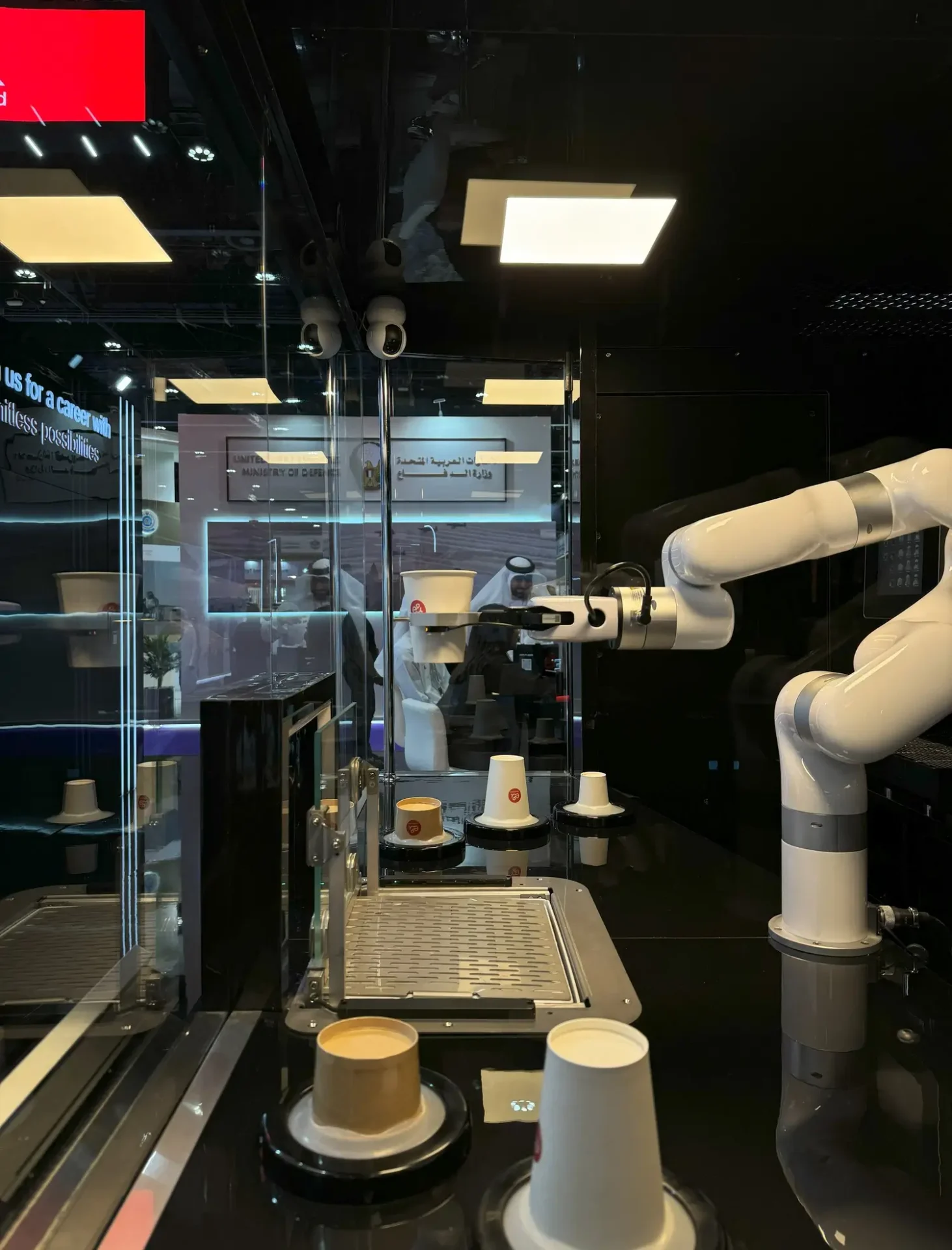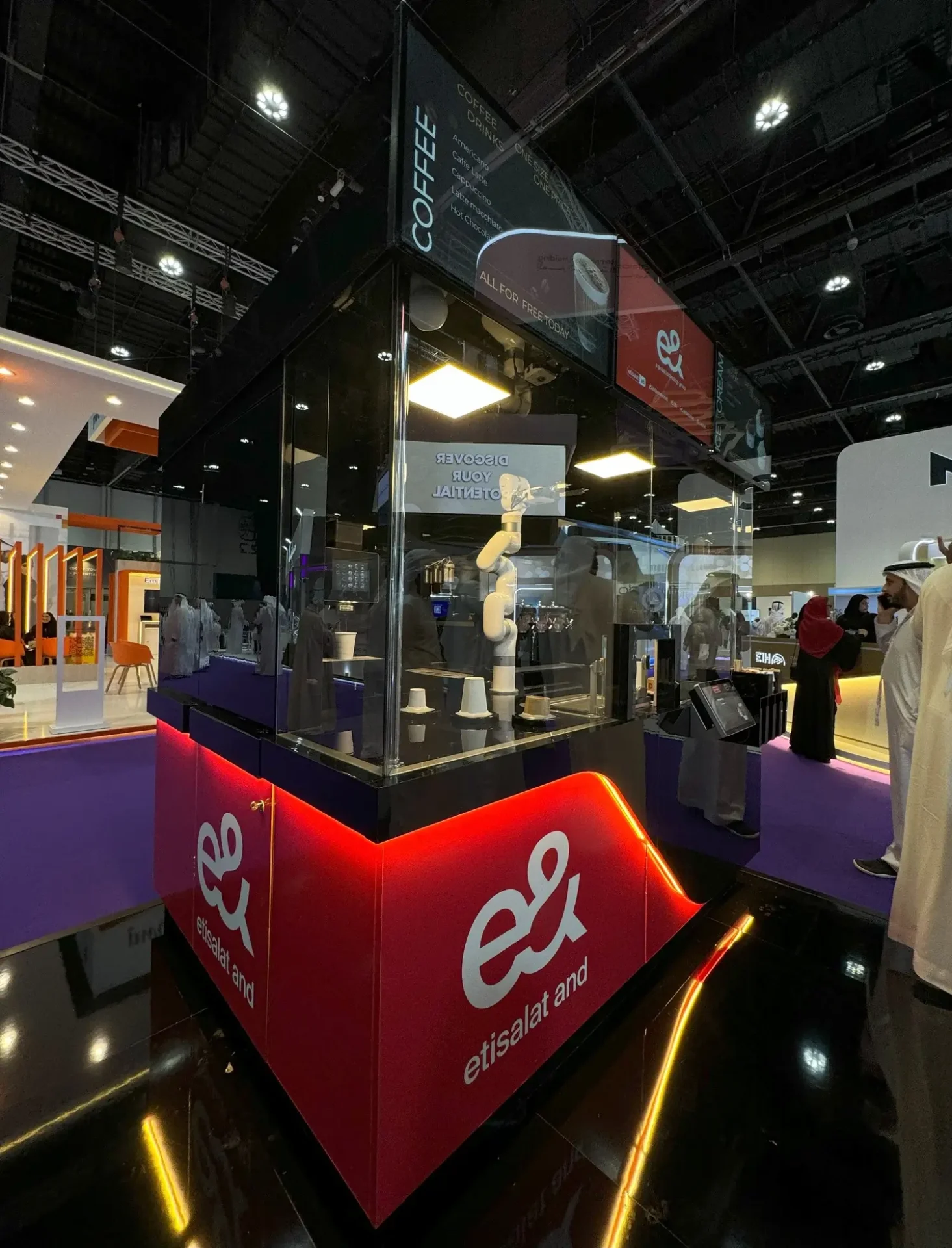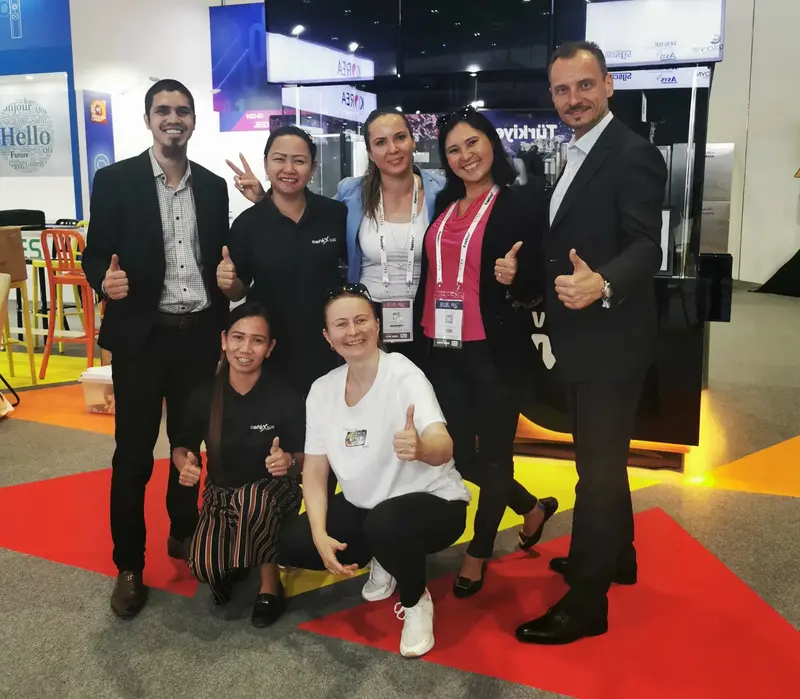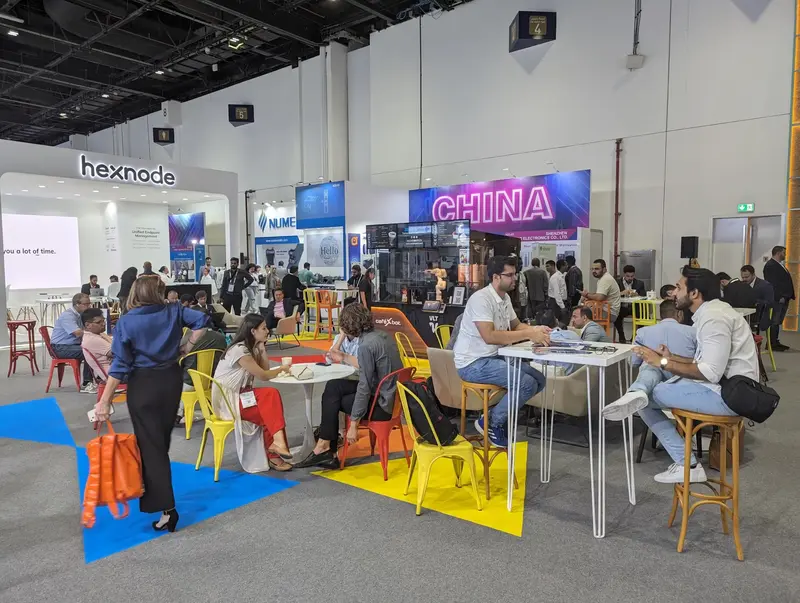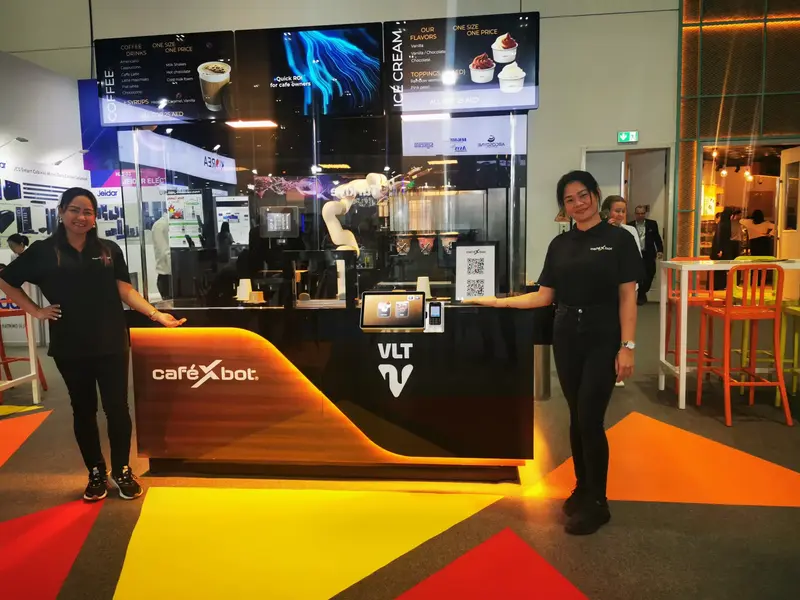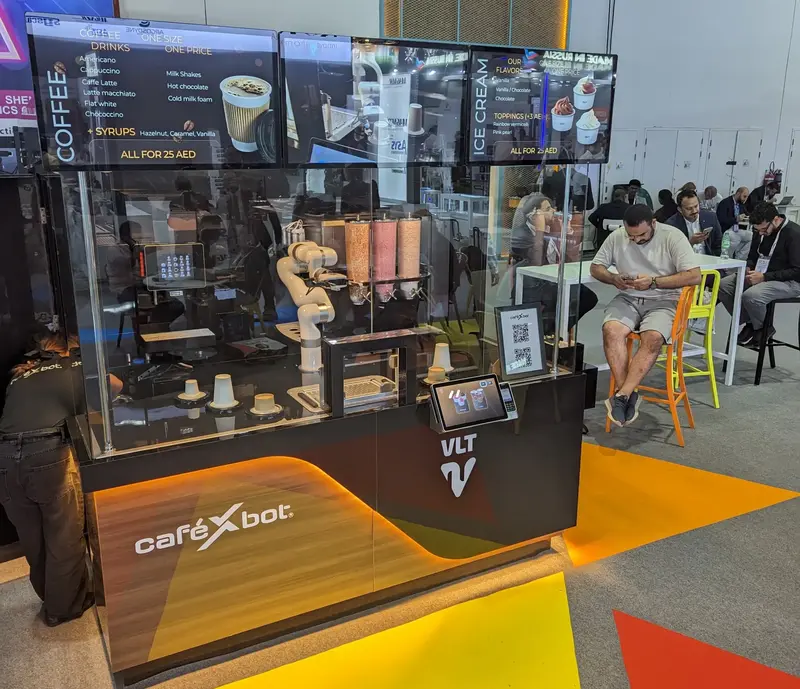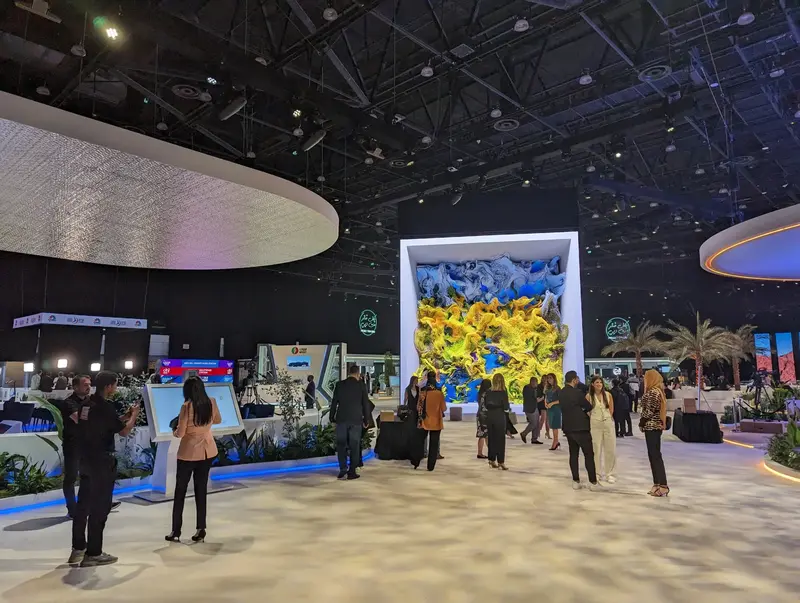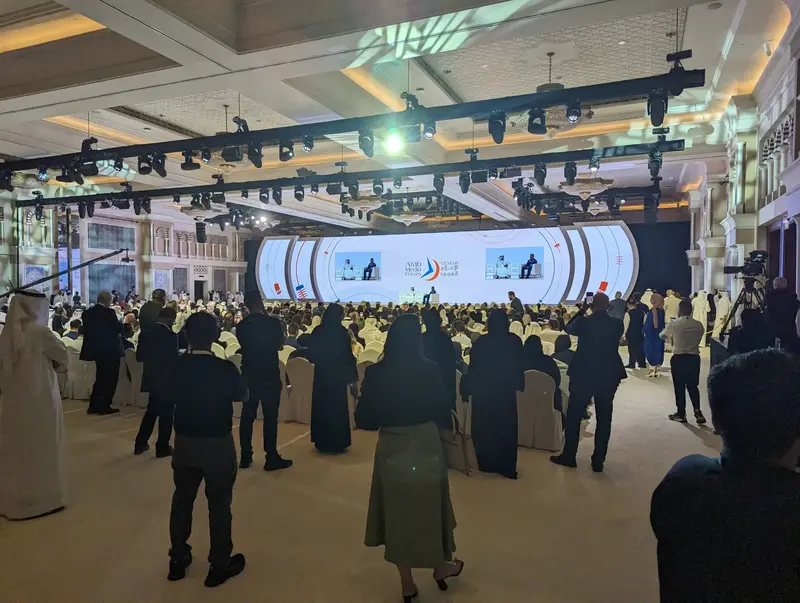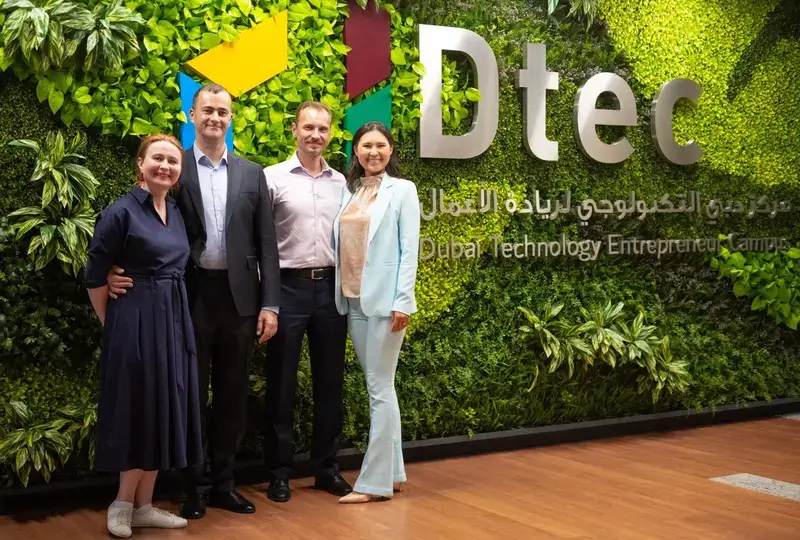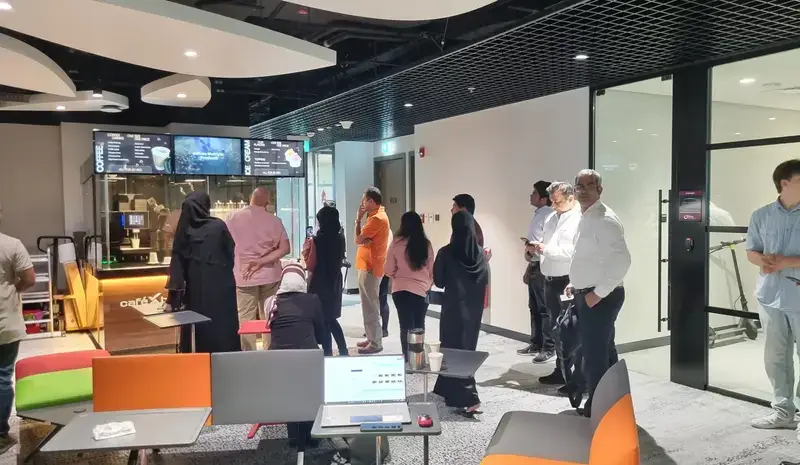
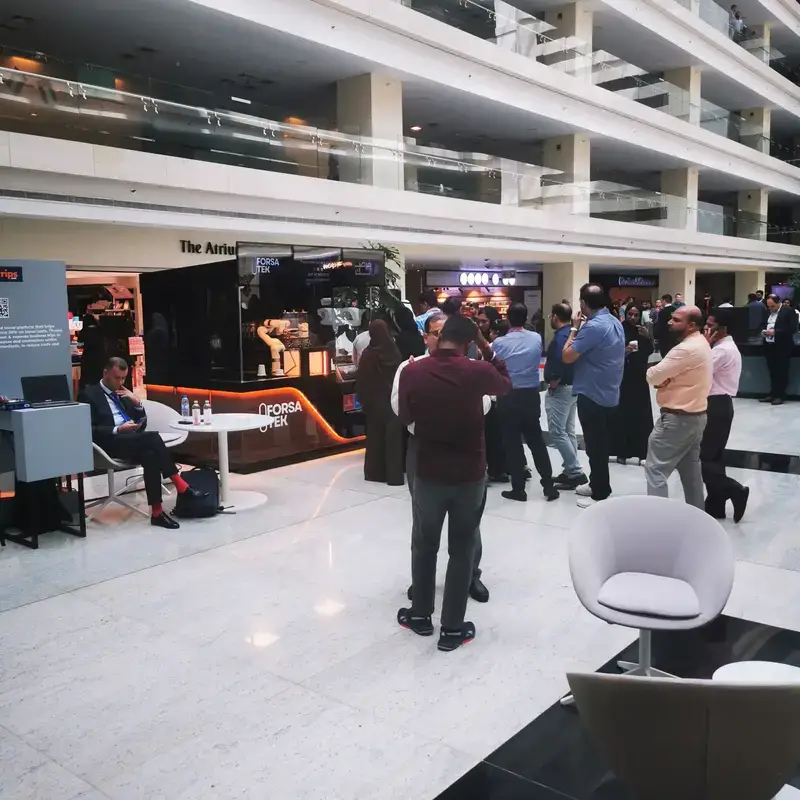
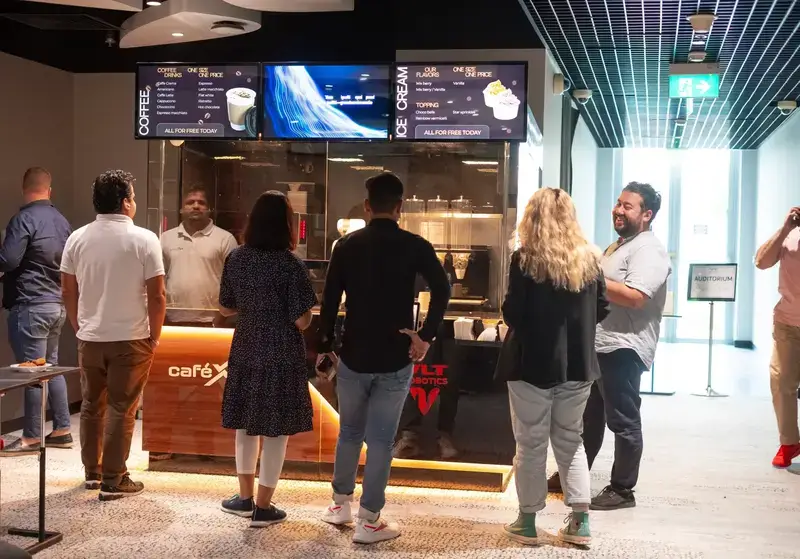
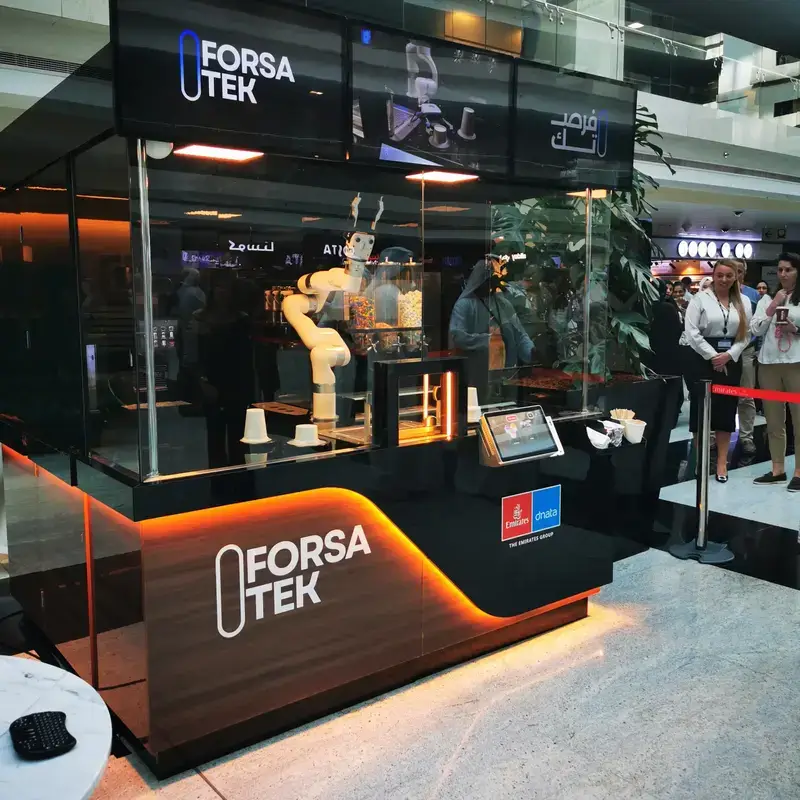
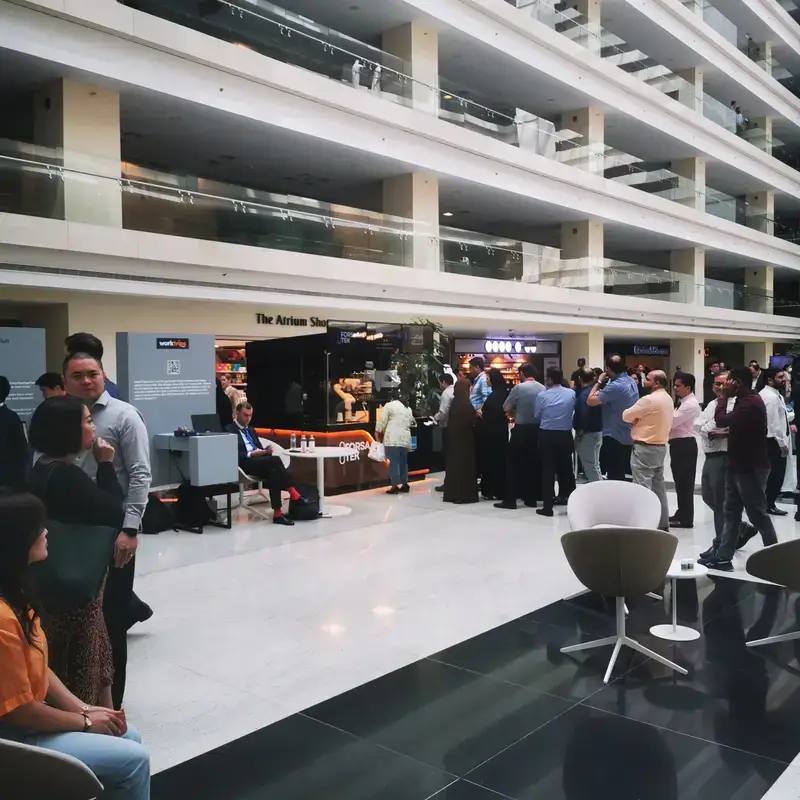
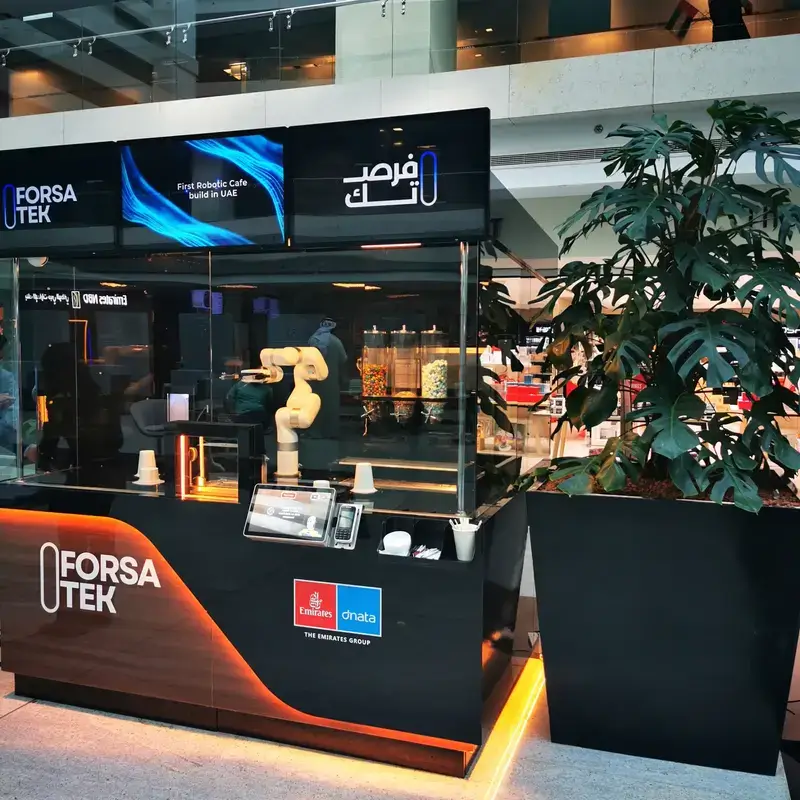
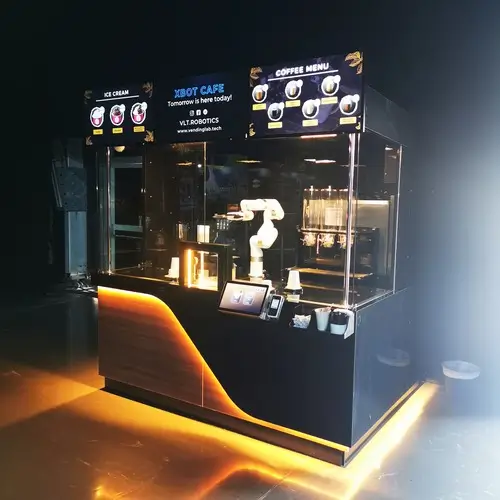
forsa tek dubai crowded xbot cafe

2026 Best Robot Coffee Barista for Global Buyers?

Choosing the 2026 best Robot Coffee Barista requires more than admiring a polished robotic arm. Global buyers need evidence, practical testing, and clear operating data.

A reliable machine should deliver consistent espresso, accurate milk textures, fast service, and simple cleaning. It must also fit local power systems, counter dimensions, water conditions, and workplace requirements. Cafe X founder Henry Hu described the goal clearly: “We’re trying to make coffee better, faster, and more convenient.”

That standard remains useful.

In real cafés, small details shape daily performance. A busy airport may need rapid order handling and remote monitoring. A hotel may value quiet operation, compact design, and attractive presentation. A university café may prioritize safety, easy training, and affordable maintenance. These needs are different.

Our comparison considers beverage quality, automation depth, software stability, service support, energy use, and total ownership cost. We also examine how each Robot Coffee Barista responds during peak periods, when queues grow and ingredients run low.

The ideal system is not always the most futuristic. Sometimes, dependable cleaning matters more than extra robotic movement. That is easy to overlook.

Technology can still disappoint. Sensors may misread cups. Milk systems may require frequent attention. Software updates can interrupt service. Buyers should question impressive demonstrations and request performance records from comparable sites.

This guide offers a practical starting point for international purchasers, distributors, hospitality groups, and café operators. It does not assume one machine suits every market. Instead, it examines where each model performs well, where it struggles, and what buyers should verify before signing a purchase agreement.
2026 Best Robot Coffee Barista for Global Buyers?

What Is a Robot Coffee Barista?

2026 Best Robot Coffee Barista for Global Buyers?

What Is a Robot Coffee Barista?

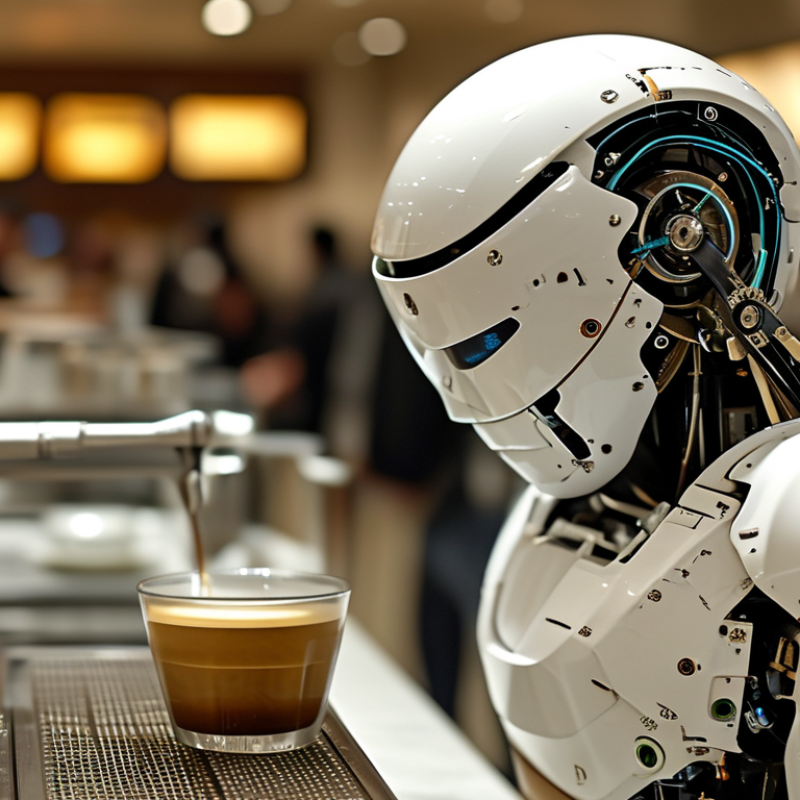
A robot coffee barista is an automated beverage workstation, not necessarily a humanoid machine. It can grind beans, dose coffee, control water temperature, steam milk, and dispense a finished drink. Some systems also manage payment, order queues, and basic cleaning alerts. The goal is repeatable preparation with fewer manual steps.

The term “barista” can be misleading. Human judgment still matters for recipe design, maintenance, and customer service. According to the International Federation of Robotics, nearly 200,000 professional service robots were sold worldwide in 2023. Hospitality was one of the tracked application areas. Meanwhile, the International Coffee Organization estimated global coffee consumption at 177.9 million 60-kilogram bags in 2023/24. Demand is large, but automation quality differs sharply between locations.

Buyers should test drink consistency during busy periods, not only during demonstrations. Check milk temperature, grinder calibration, cleaning time, spare-part access, and local technical support. A beautiful interface cannot repair poor maintenance. That is the uncomfortable part.

Tips: Ask for independent performance records. Measure drinks per hour, waste, recovery time, and service interruptions. Confirm whether staff can adjust recipes safely. Weather, water quality, and unstable internet may affect daily operation. Start with a limited menu, then expand after real customer feedback.

2026 Best Robot Coffee Barista for Global Buyers? What Is a Robot Coffee Barista?

A robot coffee barista is an automated system that combines coffee brewing, ingredient handling, beverage preparation, and programmed motion control. The chart below shows representative espresso-process targets that global buyers can use when evaluating whether a robot system can reproduce consistent café-style drinks.

These reference values reflect commonly used espresso preparation targets: approximately 7–9 g of coffee, 90–96°C brewing water, 20–30 seconds of extraction, about 25–35 ml of espresso, and 55–65°C steamed milk. Actual settings vary by recipe, equipment, and local service requirements.

How Robot Coffee Barista Technology Works

How Robot Coffee Barista Technology Works

A robot coffee barista combines software, sensors, pumps, grinders, and robotic movement. A customer selects a drink through a touchscreen or connected ordering system. The machine then measures coffee beans, grinds them, and controls water temperature. Precise dosing helps maintain a similar flavor across repeated orders.
During extraction, pressure sensors monitor water flow through the coffee grounds. A robotic arm may position the cup, dispense milk, and add flavor ingredients. Some systems use cameras to check cup placement and detect spills. Cleaning programs flush internal lines, while alerts remind staff to refill beans or empty waste containers. The process looks simple. It is not always perfect. Humidity, bean freshness, and milk temperature can change the final taste.

Tips: Global buyers should test the machine with local water and coffee recipes. Check cleaning access, safety functions, spare-part support, and staff training requirements. Ask for real performance data during busy periods, not only showroom demonstrations. A useful trial should measure serving time, drink consistency, waste, and recovery after errors. Human supervision still matters, especially when a sensor misreads a cup or a customer requests an unusual adjustment.
Key Features of the Best Models in 2026

2026 Best Robot Coffee Barista for Global Buyers?

Key Features of the Best Models in 2026

The best robot coffee baristas in 2026 combine stable extraction, precise automation, and simple daily maintenance. In practical café trials, consistent dosing matters more than impressive screen effects. A reliable model should adjust grinding time, water temperature, and pressure for different coffee profiles. It should also remember settings without making calibration confusing.

Milk control is another important feature. A strong system can steam or dispense milk at a controlled temperature, creating repeatable foam for lattes and cappuccinos. Sensors should detect low water, full waste containers, blocked lines, and unusual pressure changes. Clear alerts reduce downtime. Quiet operation also matters in hotels, offices, and small retail spaces. Some machines look advanced but still produce noisy grinding and uneven foam.

Hygiene design deserves close attention. Removable brewing parts, automatic rinsing, and tool-free access can make cleaning faster and more dependable. Buyers should check whether food-contact components are easy to inspect and replace. Remote monitoring may help operators track usage and service needs across several locations. However, internet features can fail, so local controls remain essential. Energy-saving modes are useful, but they may slow service during busy periods. That trade-off is easy to overlook. The best choice balances taste, speed, safety, maintenance, and staff training rather than chasing the most futuristic appearance.

How Global Buyers Can Compare Robot Coffee Baristas

Global buyers should compare robot coffee baristas by workflow, not futuristic appearance. A polished machine may still struggle during a busy breakfast rush. Ask for measured brewing time, drink consistency, queue capacity, and recovery after an error. Request video evidence from a real service site, not only a showroom. Small details matter.
Check espresso temperature, milk texture, cup placement, and cleaning steps. A strong system records these variables and provides readable reports for operators. Independent testing, electrical certifications, food-contact documentation, and regional compliance records deserve careful review. Confirm whether local technicians can replace pumps, sensors, and dispensing parts within a practical timeframe. A low purchase price can hide expensive downtime, training, or imported spare parts. Ask for a three-year total-cost estimate.

Buyers should observe the machine with different cup sizes and customized recipes. Test noisy environments. Test uneven workloads. Human oversight remains important when ingredients run low or a customer changes an order. One trial may look perfect; repeated trials can reveal jams, slow cleaning, or confusing alerts. No test is perfect. That weakness is useful evidence, not a failure to conceal. Compare warranty terms, software updates, cybersecurity controls, language options, power compatibility, and service response times in writing. Your staff should operate the system confidently every day.
2026 Best Robot Coffee Barista for Global Buyers?

How Global Buyers Can Compare Robot Coffee Baristas

Robot Coffee Barista Class Recommended Operating Model Typical Beverage Output Typical Footprint Electrical Requirement Water and Waste Setup Automation Level Typical Service Capacity Cleaning Requirement Best-Fit Buyer Indicative Investment Range
Compact Countertop Unit Self-service counter, office pantry, hotel lounge, or small retail location Approximately 30–80 cups per hour, depending on recipe and replenishment time About 0.6–1.2 m², excluding customer queue space Usually 220–240 V; approximately 3–6 kW for integrated brewing, heating, and refrigeration functions Internal water tank or direct connection; separate waste container commonly required Automated dispensing and payment; staff normally load ingredients and remove waste Approximately 100–250 servings per day in a moderate-traffic location Daily milk-line, nozzle, drip-tray, and waste-bin cleaning; periodic descaling and filter replacement Small operators prioritizing low floor-space use and simple installation Approximately US$25,000–70,000, excluding shipping, taxes, site work, and local certification
Single-Arm Kiosk System Shopping centers, transport hubs, universities, hospitals, and unattended retail areas Approximately 60–150 cups per hour, depending on cup handling and milk-drink mix About 2–5 m², including the serving counter and equipment enclosure Usually 220–240 V; approximately 5–12 kW, subject to heating, refrigeration, and peak-load design Direct water connection is preferred; floor drain or large waste tank may be needed for continuous operation Robotic cup handling, coffee preparation, milk dispensing, payment, and remote monitoring Approximately 200–500 servings per day with scheduled ingredient replenishment Daily automated rinse cycles plus staff cleaning; milk systems require strict hygiene control Global buyers seeking a visible automated kiosk with moderate throughput Approximately US$70,000–160,000, excluding construction, logistics, software fees, and permits
High-Throughput Robotic Kiosk Airports, large shopping venues, corporate campuses, and high-volume food-service sites Approximately 100–250 cups per hour under suitable operating conditions About 5–12 m², including preparation, customer interface, storage, and service access Usually 220–240 V three-phase or a site-specific high-capacity supply; approximately 8–20 kW Direct water, filtration, drainage, refrigeration, and dedicated waste handling are normally required Automated order intake, brewing, grinding, milk dispensing, cup handling, payment, and performance monitoring Approximately 400–900 servings per day, depending on opening hours and customer demand Multiple daily sanitation checks; scheduled preventive maintenance and trained service support are essential Operators comparing throughput, uptime, and cost per serving rather than minimum purchase price Approximately US$150,000–350,000, excluding building works, installation, taxes, and long-term support
Modular Robotic Coffee Station Existing cafés, hotels, convenience stores, and food-service sites requiring partial automation Approximately 50–180 cups per hour, depending on the number of modules installed About 1.5–6 m², scalable by adding brewing, milk, payment, or cup-handling modules Usually 220–240 V; approximately 4–15 kW depending on the selected modules Can use an existing kitchen connection; filtration, drainage, and refrigerated storage should be assessed during site planning Automates repeatable preparation steps while allowing staff to manage exceptions and customer service Approximately 150–700 servings per day, depending on configuration and staffing Cleaning workload is distributed across modules; daily sanitation and regular calibration remain necessary Buyers wanting flexible expansion, easier retrofitting, and lower disruption to an existing operation Approximately US$50,000–180,000, excluding optional modules, integration, and installation
Mobile or Event-Based Robot Unit Exhibitions, temporary venues, corporate events, pop-up stores, and seasonal locations Approximately 30–120 cups per hour, depending on battery, water, and replenishment limits About 1–4 m², plus space for customer access and service replenishment Battery-assisted or 220–240 V connection; approximately 2–8 kW when connected to mains power Self-contained water and waste tanks are common; capacity must be matched to event duration Automated ordering and dispensing with comparatively higher staff involvement for refilling and transport Approximately 100–400 servings per operating day Cleaning is required between operating sessions; tanks, milk circuits, and contact surfaces need careful sanitation Buyers valuing portability, short-term deployment, and marketing visibility Approximately US$40,000–140,000, excluding transport, event labor, insurance, and venue charges

Buyer comparison note: The figures above are typical planning ranges for commercial robotic coffee systems and should not be treated as guaranteed specifications. Final capacity, power, water, drainage, hygiene, payment, connectivity, accessibility, electrical safety, and food-service compliance requirements must be confirmed for the selected configuration and destination market.

Compare total cost of ownership Check local certification Verify cleaning workflow Confirm spare-parts support Test payment integration Measure peak-hour throughput

Installation, Compliance, and Support Requirements Worldwide

A global robot coffee barista needs more than accurate pouring and attractive automation. Installation begins with a site survey covering floor loading, drainage, ventilation, power quality, water filtration, and customer flow. The International Federation of Robotics reported 541,302 industrial robot installations worldwide in 2023, proving strong automation momentum, but coffee equipment requires additional food-service controls.

Compliance varies by destination. Electrical certification, electromagnetic compatibility, pressure safety, and food-contact materials must match local rules. In the European Union, Regulation (EU) 2023/1230 will apply from 20 January 2027, increasing expectations for machinery risk assessment, technical files, and cybersecurity. The EU Food Safety Authority also emphasizes documented hygiene controls across food operations. Cleanable surfaces, protected ingredient storage, temperature records, and emergency-stop access should be verified before opening.

Support is often the weak point. Very weak, sometimes. Buyers should request remote diagnostics, multilingual manuals, spare-parts availability, and technician response targets. The Uptime Institute’s Global Data Center Survey 2024 found that human error remains a major contributor to outages, a useful warning for automated retail sites. Operators need practical training, not only software demonstrations. I would also test recovery after water interruption, network loss, payment failure, and ingredient shortages. Local service partners reduce downtime, although their competence must be audited rather than assumed. Sources: International Federation of Robotics, World Robotics 2024; European Union, Regulation (EU) 2023/1230; Uptime Institute, Global Data Center Survey 2024.

Scroll to Top
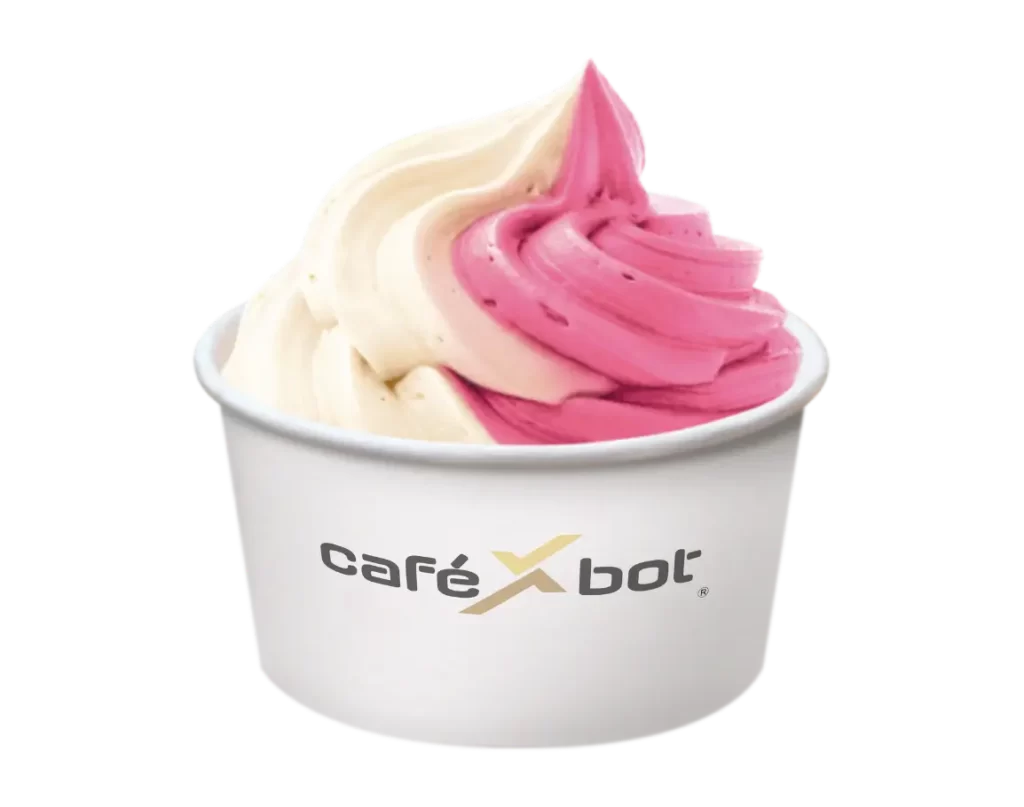
Vanilla Stawberry ice cream robot cafe Cup - Investment opportunities

VANILLA

25.00AED

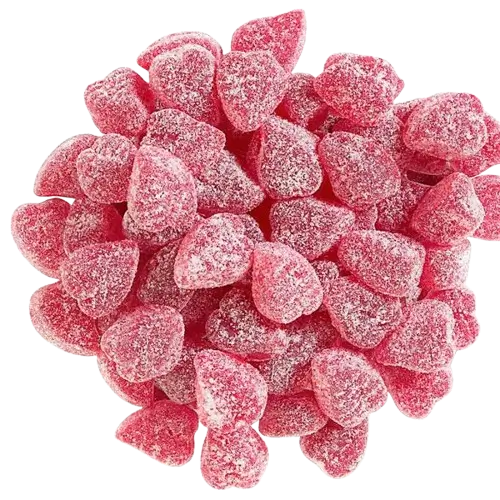
Sugar Hearts
Sugar Hearts

3.00AED
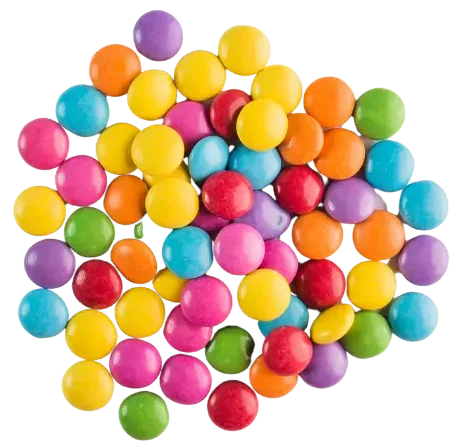
Rainbow discs
Rainbow Disc

3.00AED
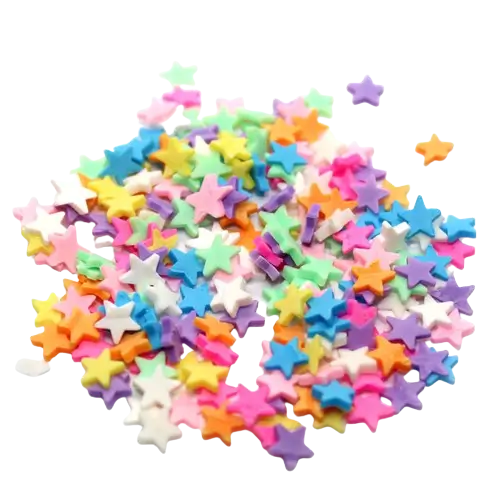
Star Sprinkles
Star Sprinkles

3.00AED
Vanilla Stawberry ice cream robot cafe Cup - Investment opportunities

VANILLA

17.00AED

rainbow vermicelli
Rainbow vermicelli

3.00AED
Sugar Hearts
Sugar Hearts

3.00AED
Gold pearl topping
Gold pearls

3.00AED
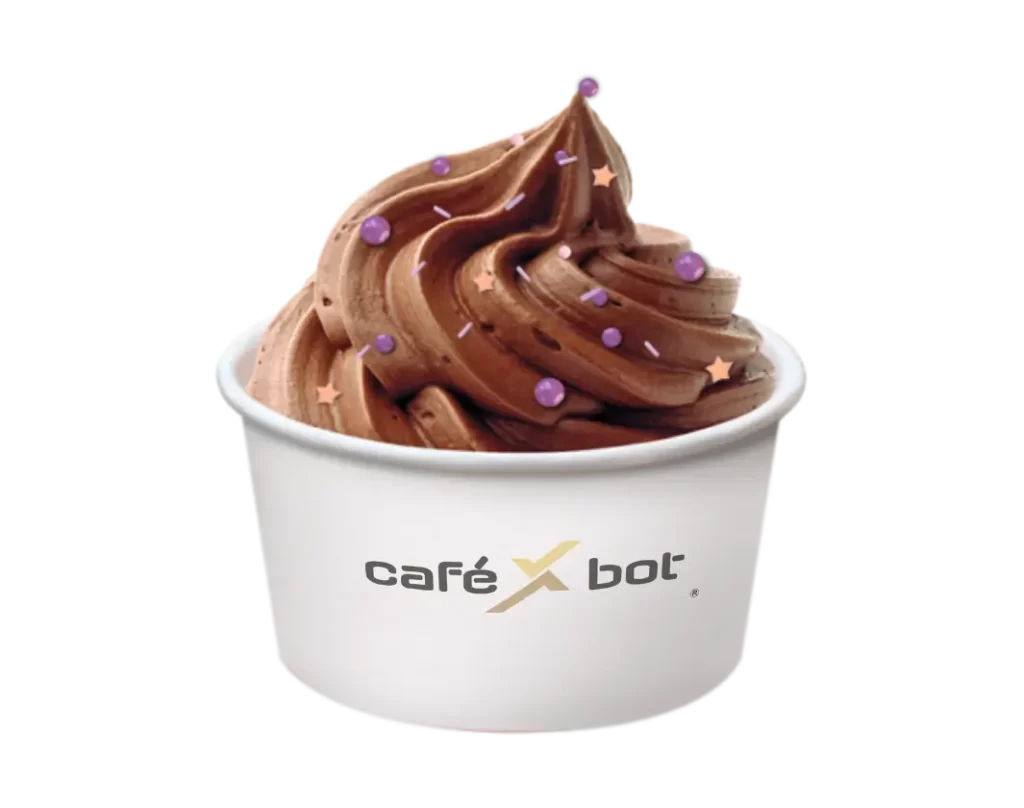
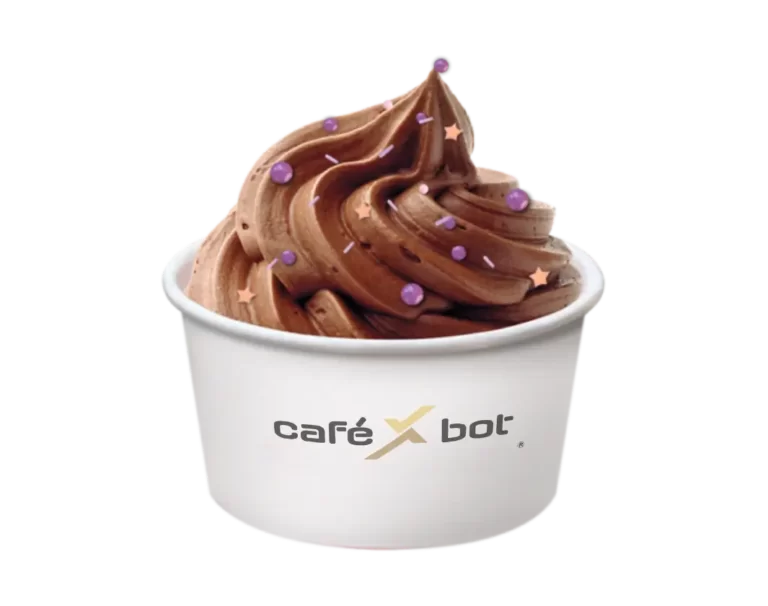
choco ice cream robot cup

VANILLA

17.00AED

rainbow vermicelli
Rainbow vermicelli

3.00AED
Sugar Hearts
Sugar Hearts

3.00AED
Gold pearl topping
Gold pearls

3.00AED
choco ice cream robot cup

Chocolate

25.00AED

Sugar Hearts
Sugar Hearts

3.00AED
Rainbow discs
Rainbow Disc

3.00AED
Star Sprinkles
Star Sprinkles

3.00AED

Please fill out the form to download the brochure Now

CafeXbot Logo

REQUEST THE BROCHURE