2026 Top Industrial Panel PC Features and Benefits Explained?
The Industrial Panel PC plays a crucial role in modern manufacturing and automation systems. Its robust design meets the demands of various industries, including energy and transportation. With advancements in technology, these devices offer unparalleled performance, enhancing productivity and efficiency.
Understanding the key features of an industrial panel PC is essential. Touchscreen displays, rugged housings, and customizable interfaces can change the way operators interact with machines. However, choosing the right model can be challenging. Users must consider specific needs and environmental conditions.
Despite their advantages, industrial panel PCs are not without their issues. Power consumption can be high, and maintenance may require specialized skills. Businesses must weigh the benefits against potential drawbacks. Ultimately, the right industrial panel PC can significantly improve operations, but careful consideration is necessary.
Overview of Industrial Panel PCs and Their Importance in Industry
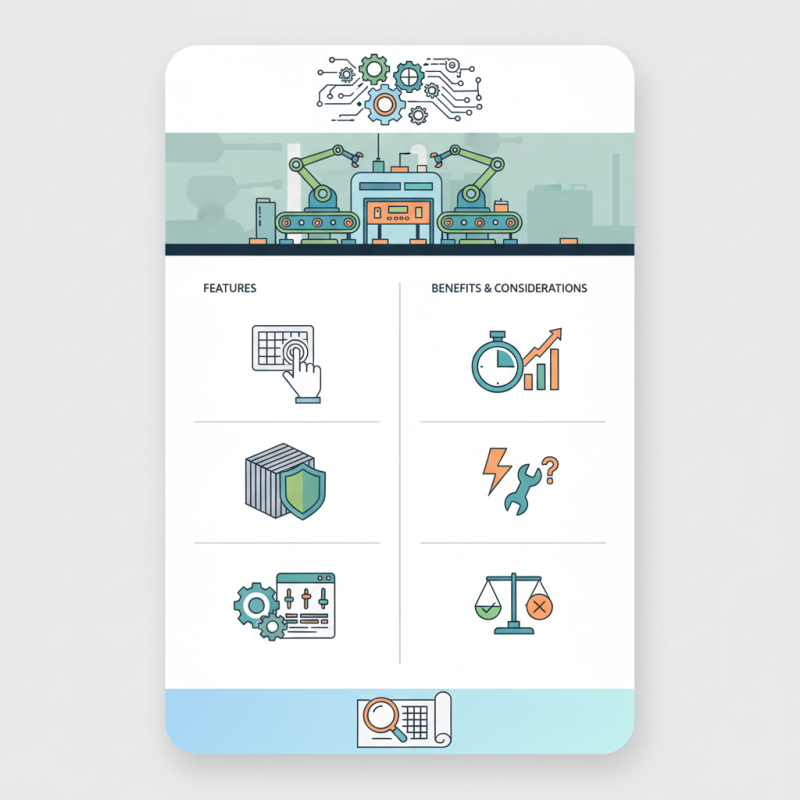
Industrial panel PCs are crucial in modern industry. They blend computer functions with touch control, creating an efficient interface. These devices excel in environments where space is limited. Their compact design allows for easy installation in various settings. With touchscreen capabilities, operators can manage processes seamlessly. This reduces the need for multiple devices and simplifies operations.
The reliability of these PCs is notable. They withstand harsh conditions like heat and dust. This durability leads to lower maintenance costs over time. However, some companies underestimate their potential. Many still rely on outdated systems. This can hinder productivity and slow down growth. Embracing new technologies is essential. Industrial panel PCs can enhance workflows. Companies need to recognize the importance of integrating these devices. Ignoring them may lead to missed opportunities in efficiency and innovation.
Key Features of 2026 Industrial Panel PCs: A Comprehensive Breakdown
Industrial Panel PCs are gaining traction across multiple sectors, thanks to their advanced features and versatility. In 2026, key features will include enhanced durability, user-friendly interfaces, and improved connectivity options. Durability is paramount; many devices will meet IP65 or higher ratings. This means they can resist dust and water, making them ideal for harsh environments, such as factories. According to a recent industry report, 40% of production downtime is due to equipment failure. Reliable devices mitigate this risk.
User-friendly interfaces will evolve, incorporating touch capabilities and customizable displays. These enhancements will reduce training time for operators, increasing overall efficiency. Connectivity will also see a boost with the integration of 5G and IoT technologies. A study indicated that connected devices can enhance operational efficiency by up to 30%. However, implementation challenges remain. Not all organizations are prepared for rapid technology transitions, leading to potential inefficiencies.
Additionally, energy consumption will be a focus. Many industrial panel PCs will be designed to consume less power while maintaining performance. This aligns with sustainability goals. Yet, some users may overlook energy specs due to initial cost considerations. Ultimately, balancing performance and sustainability remains a necessary reflection for the industry. Addressing these flaws will shape the future of industrial panel PCs.
Benefits of Using Advanced Industrial Panel PCs in Modern Operations
The integration of advanced industrial panel PCs in modern operations brings notable benefits. These devices are designed to improve efficiency, enhance data accuracy, and reduce downtime. According to a recent industry report, businesses using advanced industrial panel PCs could see productivity boosts of up to 30%. This increase is largely due to faster data processing and better user interfaces.
Moreover, panel PCs can withstand harsh environments. They often feature robust designs that resist dust, heat, and moisture. An estimated 40% of manufacturers are currently adopting these systems to ensure longevity and reliability. However, not all panel PCs meet the rugged standards needed for these environments. Companies must carefully assess their needs and choose devices accordingly.
Advanced panel PCs also promote real-time data access. This capability enables better decision-making in manufacturing and logistics. Yet, some companies face challenges in integrating these systems with existing infrastructures. Incompatibility issues can lead to delays and frustrations. It’s crucial for organizations to address these potential hurdles proactively. Investing in training and proper planning can substantially improve the user experience and system performance.
Comparative Analysis: 2026 Panel PCs vs. Traditional Industrial Computing
The shift from traditional industrial computing to modern panel PCs marks a significant change in how industries operate. Traditional systems often rely on bulky hardware and separate components. These setups can be complex and require extensive maintenance. On the other hand, panel PCs integrate multiple functions into a single unit. This integration reduces the need for extra space and simplifies installation.
Panel PCs are designed for durability and efficiency. They typically feature touchscreens that improve user interaction. This is a stark contrast to older models that depend on physical buttons. However, some may argue that touchscreens can sometimes present usability challenges in harsh environments. The risk of damage or wear is higher than with traditional controls. Additionally, the initial investment for panel PCs can be daunting for smaller enterprises.
In terms of performance, panel PCs offer advanced processing power. This allows for faster data analysis and smoother operations. But there can be a learning curve for staff transitioning from older systems. Workers might need retraining to adapt to new software interfaces. Overall, while the advantages are clear, the transition is not without its hurdles.
Future Trends in Industrial Panel Technology: What's on the Horizon?
The future of industrial panel technology is rapidly evolving. Analysts predict that the market will grow over 10% annually by 2026. This rise is driven by the increasing demand for automation and real-time data processing.
One significant trend is the integration of artificial intelligence with industrial panel PCs. These devices will become smarter, capable of predictive maintenance and enhanced analytics. A recent study showed that AI can increase operational efficiency by 15% in manufacturing settings. However, as panels become more complex, the need for skilled personnel to manage them may present a challenge.
Another trend is the shift towards more rugged designs. Industrial environments are harsh, and traditional panels often struggle to keep up. New materials and designs are emerging, making devices more resilient. Yet, the cost of these innovations can be high, leading some companies to hesitate. Balancing durability with price remains a critical conversation as the market adapts.