2026 Top Robot Coffee Vending Machine Manufacturers?
The 2026 market for Robot Coffee Vending Machine manufacturers is moving beyond novelty. Buyers now expect consistent espresso, dependable uptime, simple maintenance, and safe customer interaction. A polished robotic arm attracts attention, but reliable temperature control wins repeat purchases.
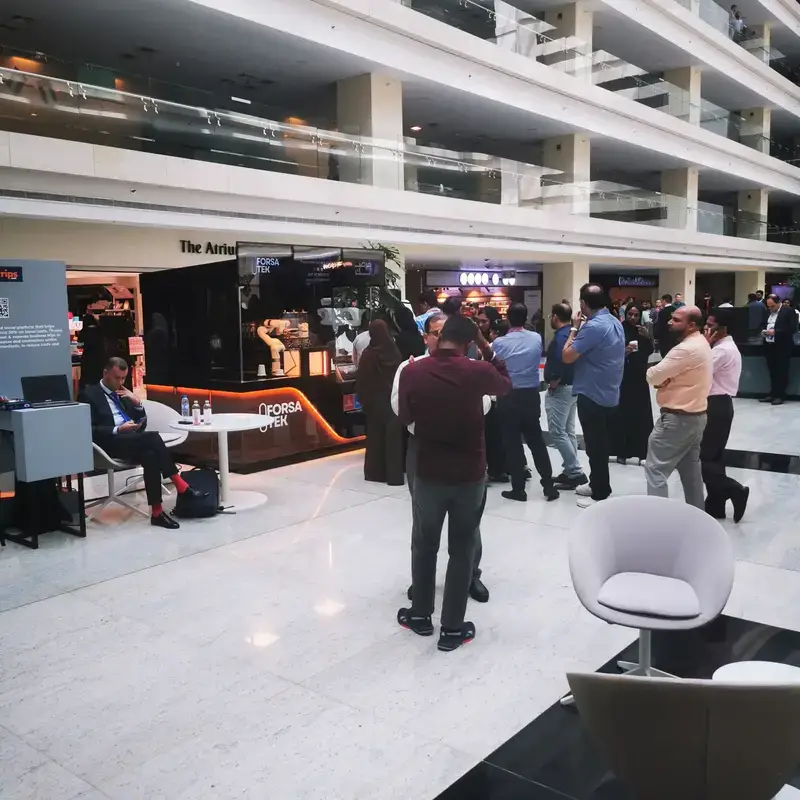
Henry Hu, founder of Café X, captured this direction clearly: “The robot is not the product; the coffee experience is the product.” His observation remains useful when comparing manufacturers. The strongest suppliers combine robotics, commercial brewing systems, payment software, remote monitoring, and practical service networks. Their machines may operate in airports, offices, hospitals, universities, and shopping centers. Each location exposes different weaknesses.
Small details matter. A machine should recover quickly after a busy morning queue. Its milk system should be easy to clean. Its screen should remain readable under bright station lighting. Spare parts should not require complicated international shipping. These points sound ordinary. They decide real performance.
This guide examines leading 2026 manufacturers through engineering capability, beverage quality, customization, safety design, energy use, and after-sales support. It also considers installation experience and user feedback, not only promotional claims. Some rankings remain difficult. Public performance data is often limited, and manufacturers do not always publish failure rates. That gap deserves attention.
A robotic coffee kiosk can look futuristic and still disappoint customers. Conversely, a modest-looking unit may deliver stronger operational value. The best choice depends on traffic, menu complexity, staffing, and local service capacity. There is no universal winner. Careful comparison is essential.
What Is a Robot Coffee Vending Machine?
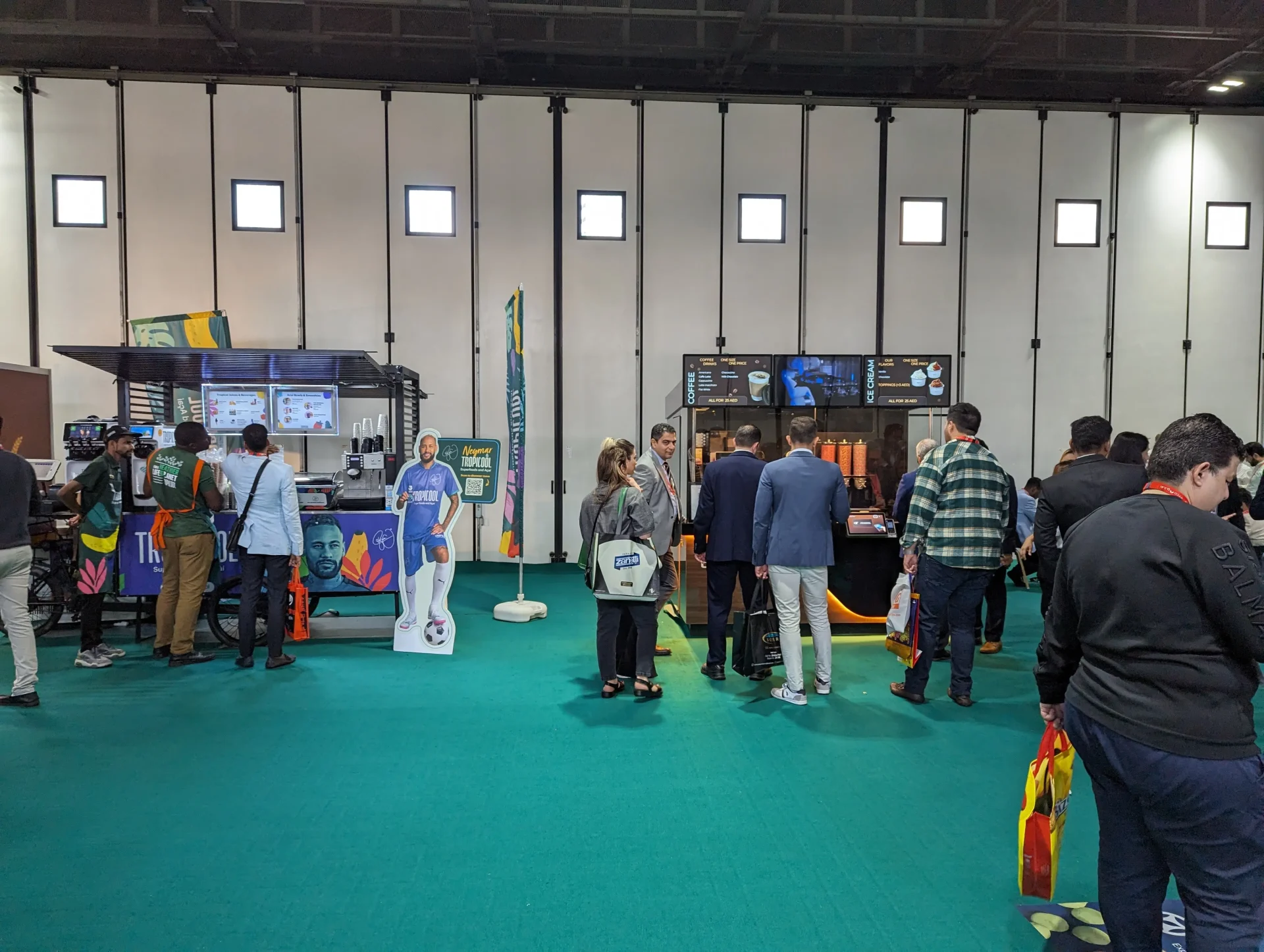
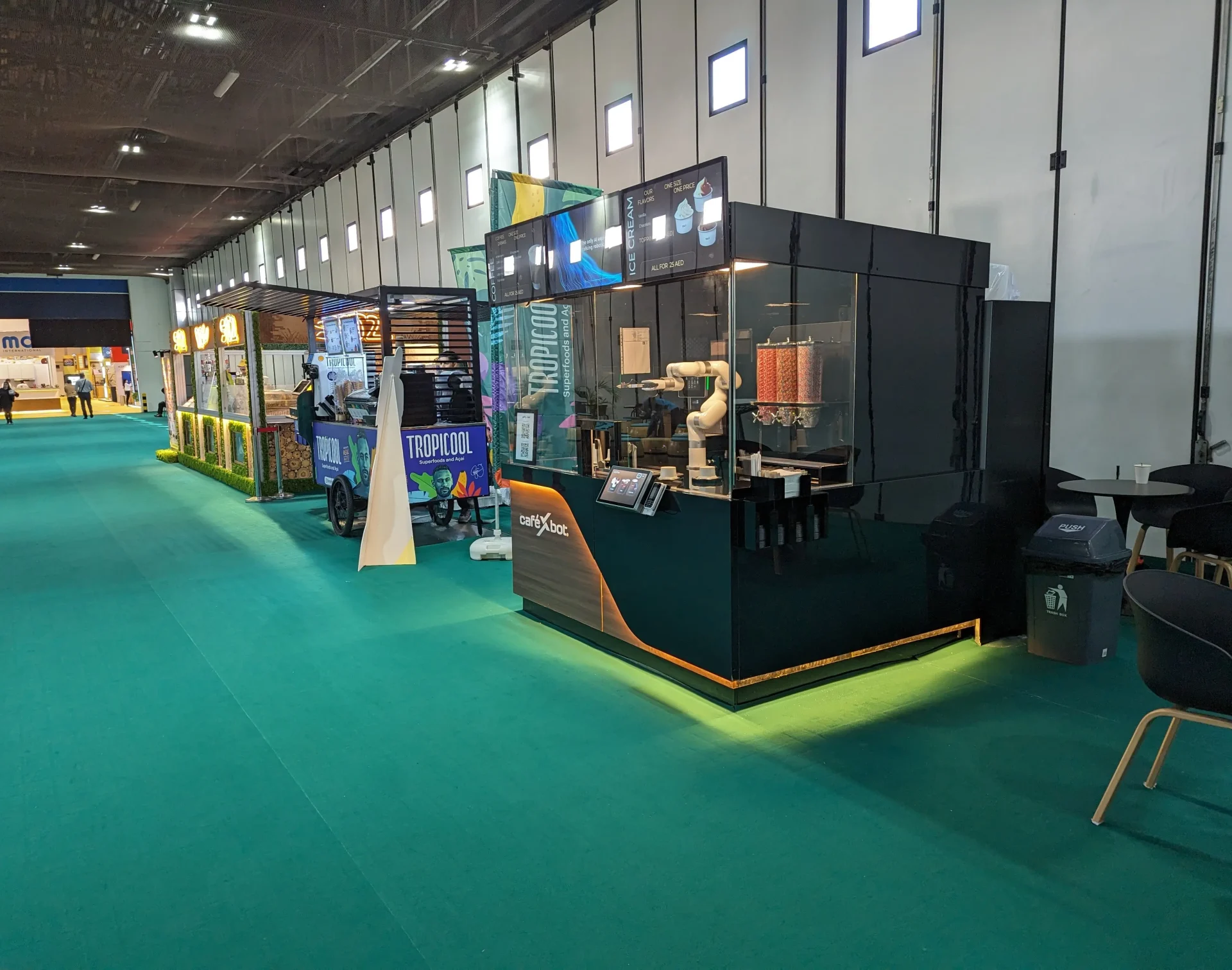
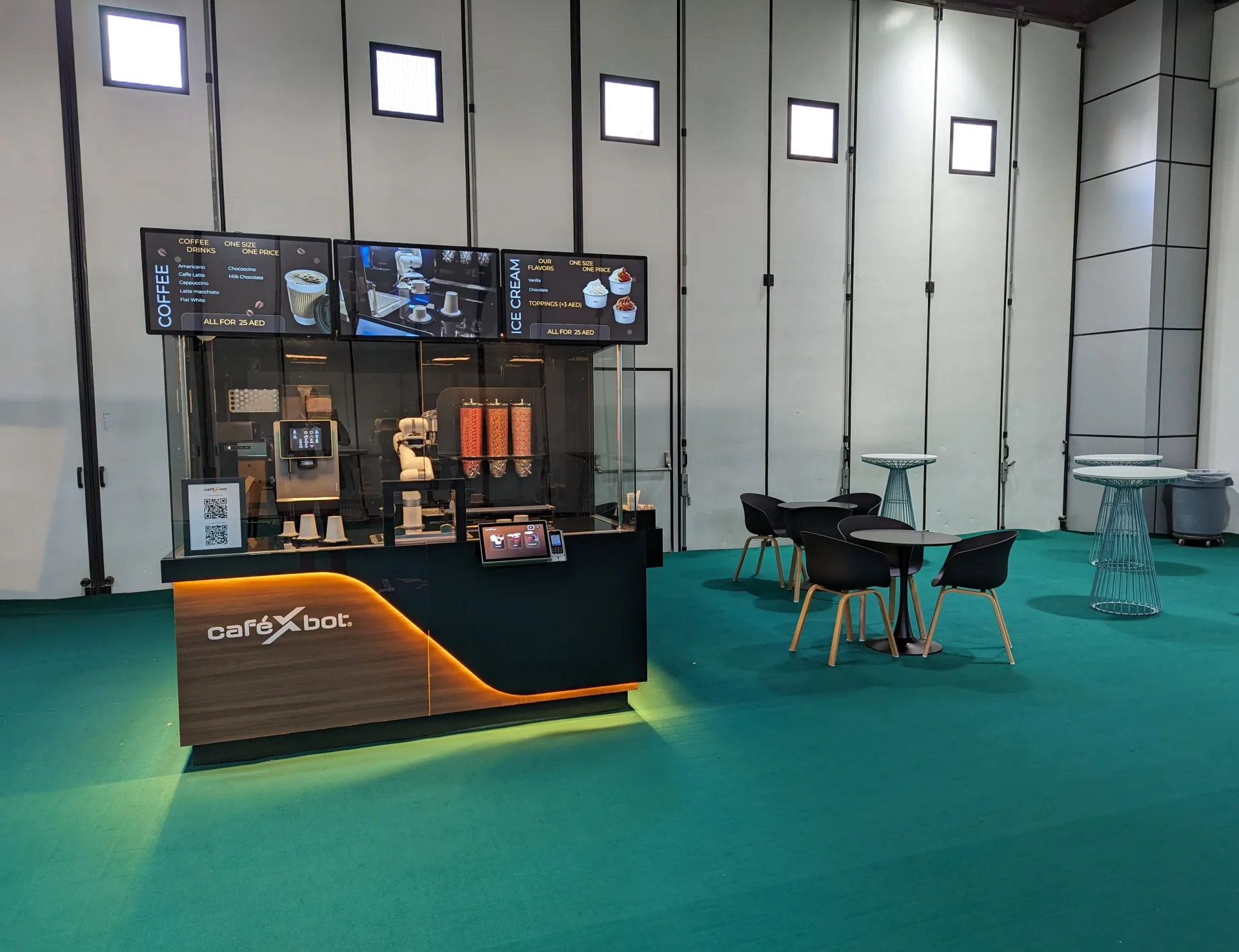
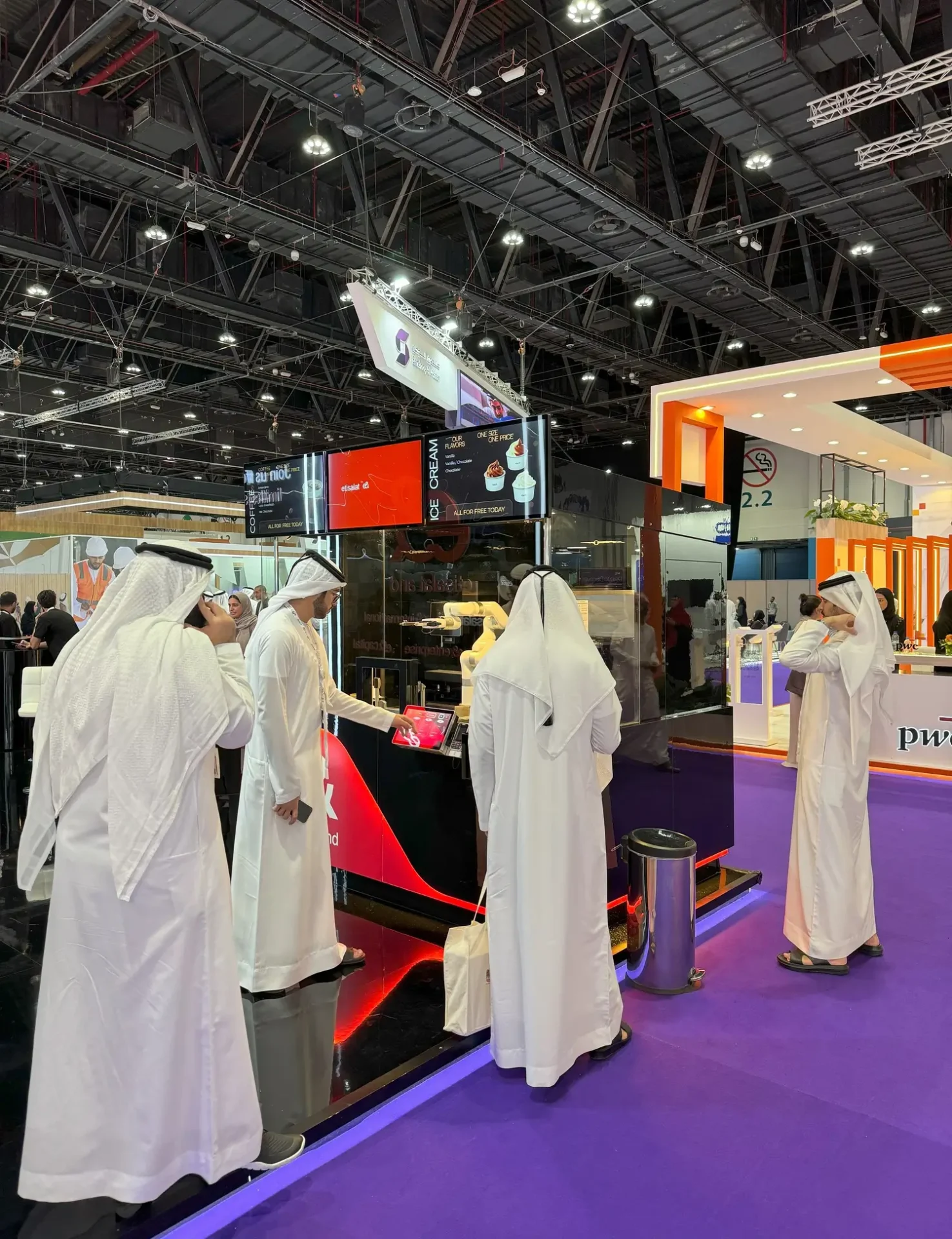
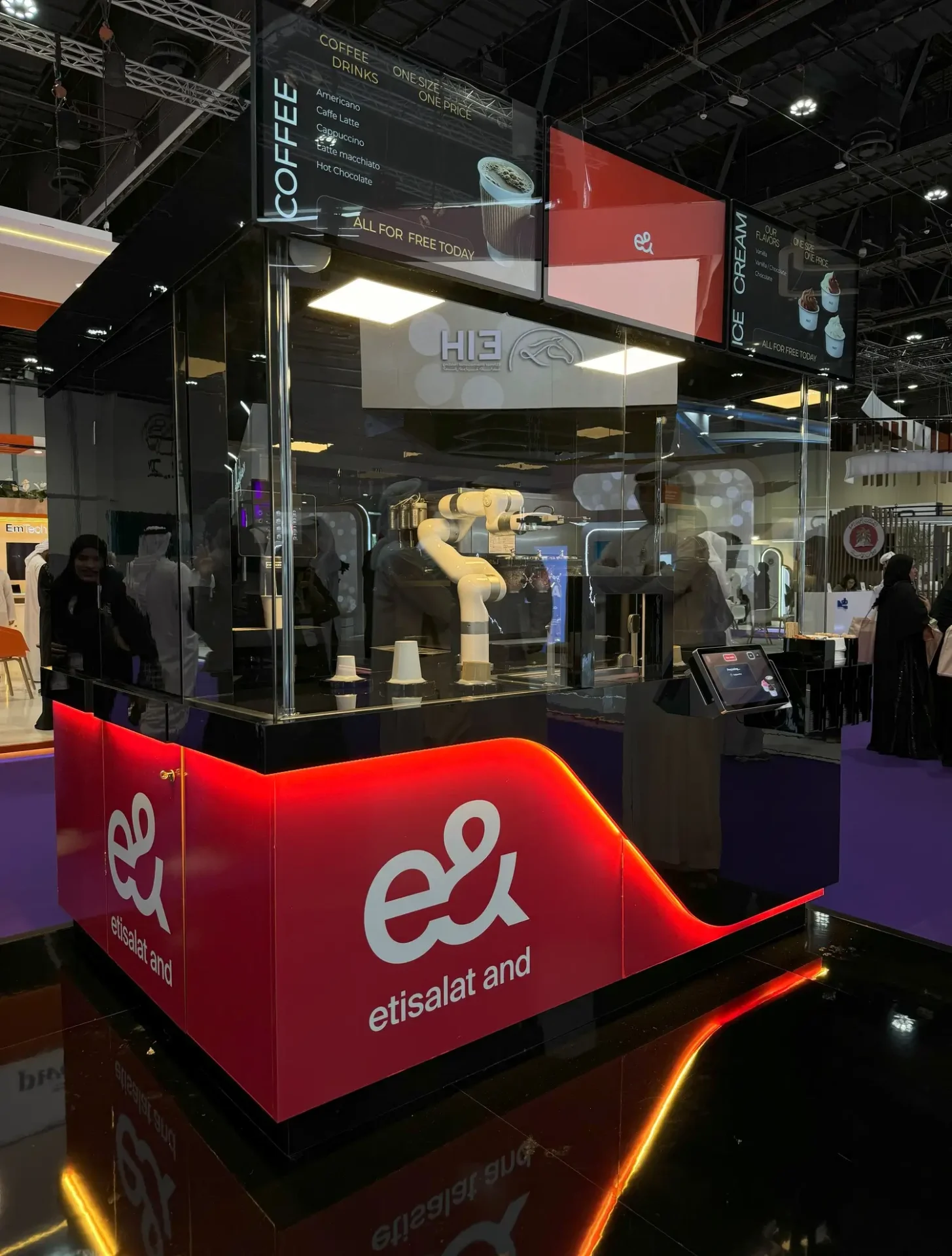
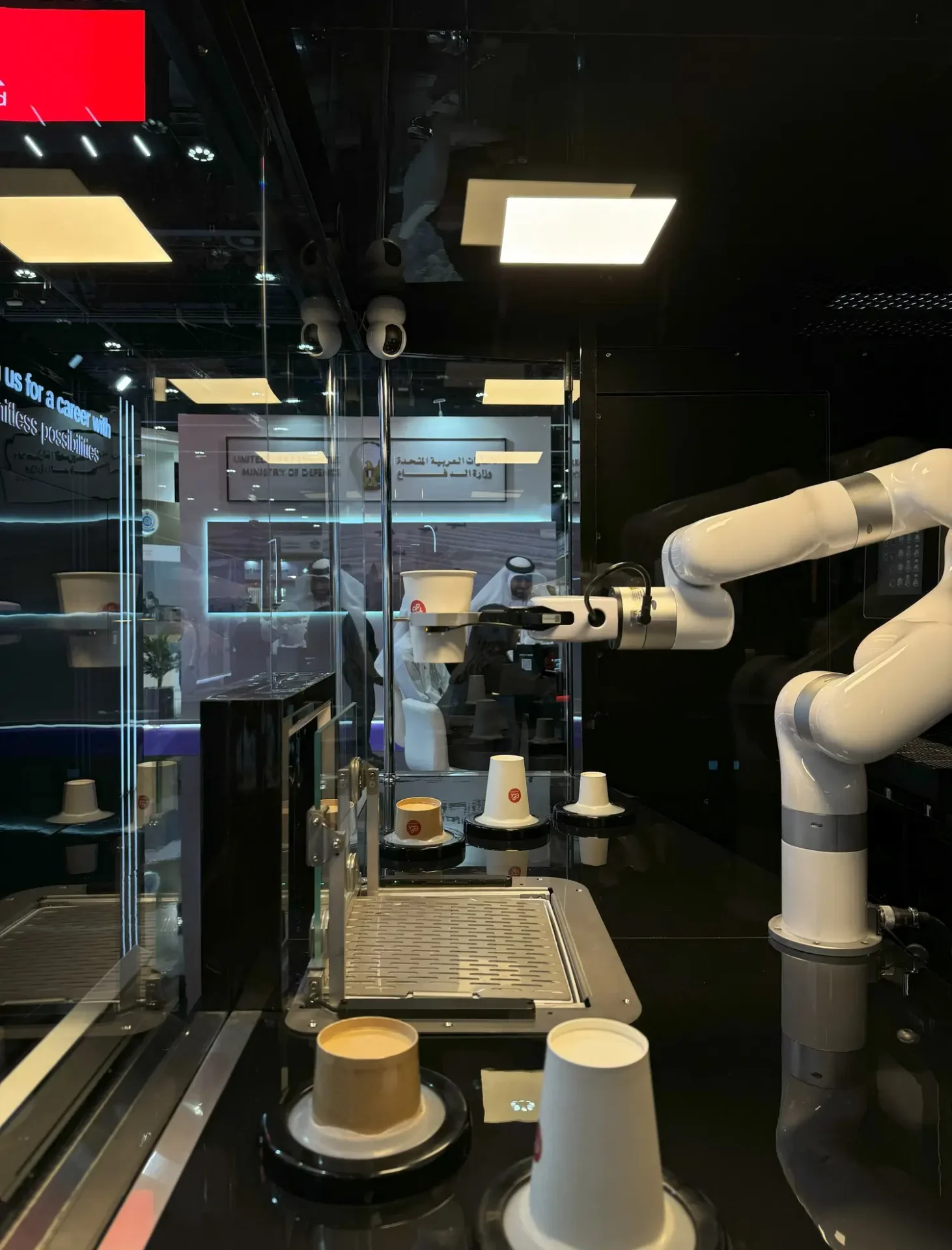
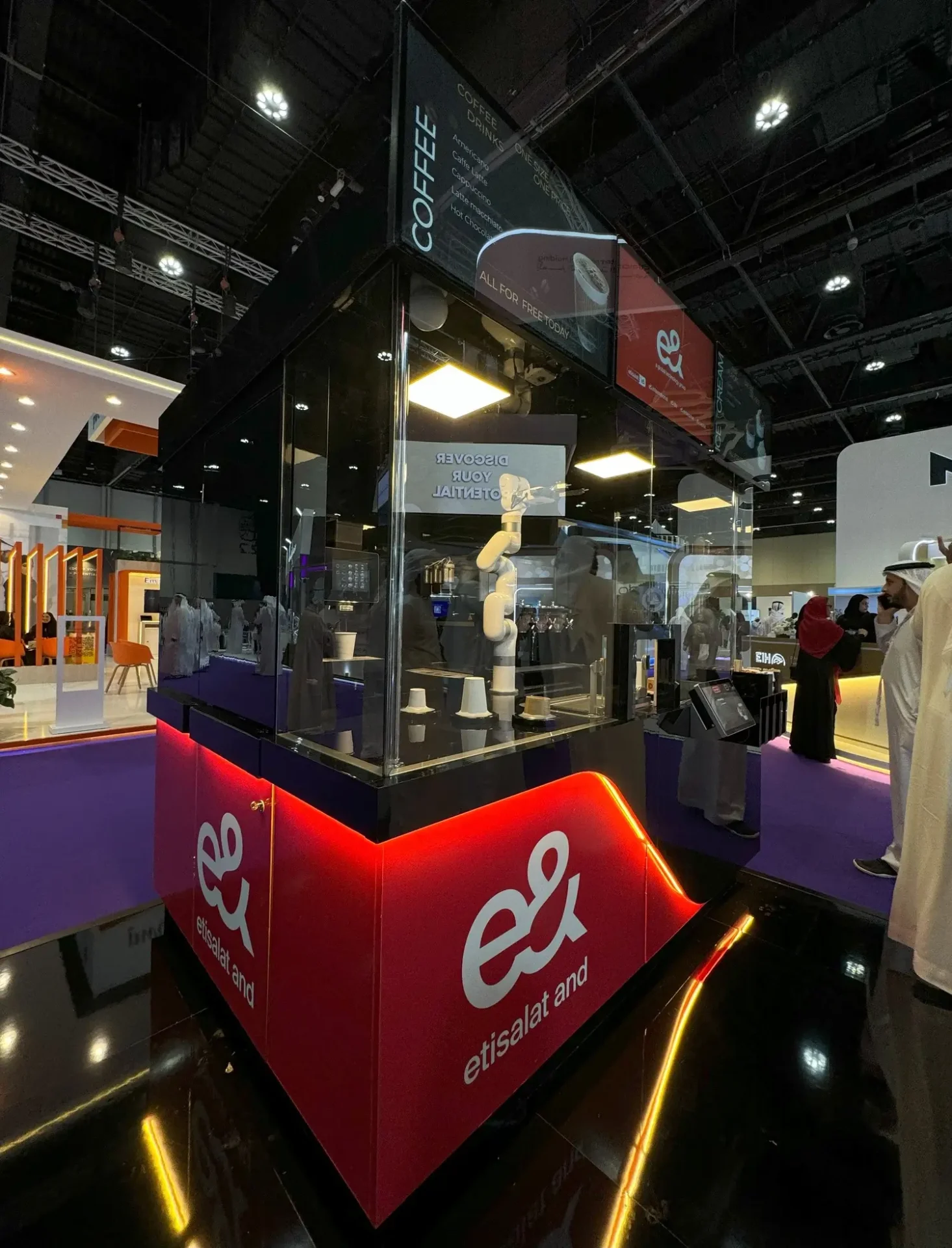
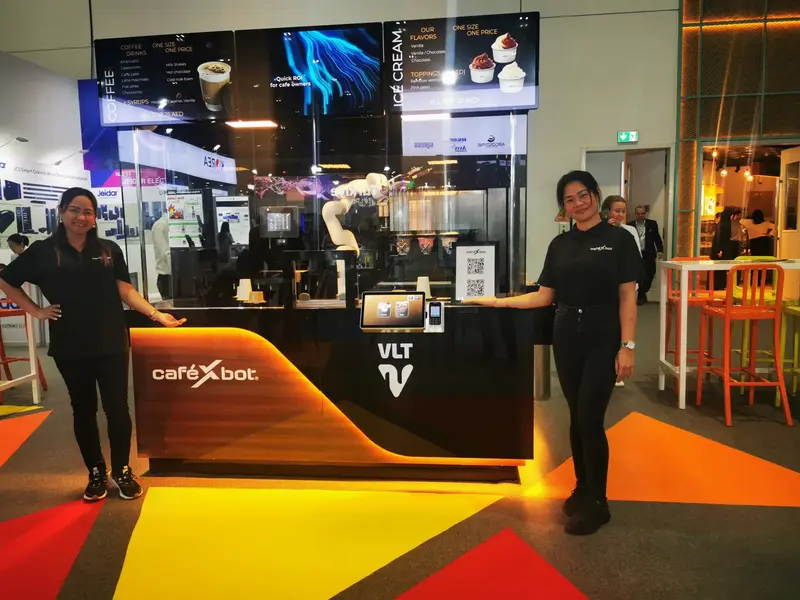
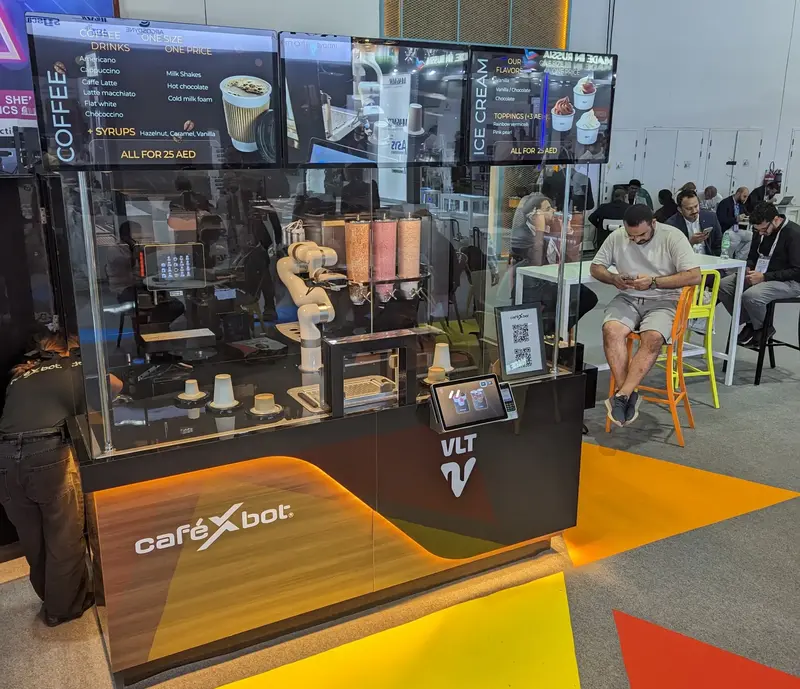
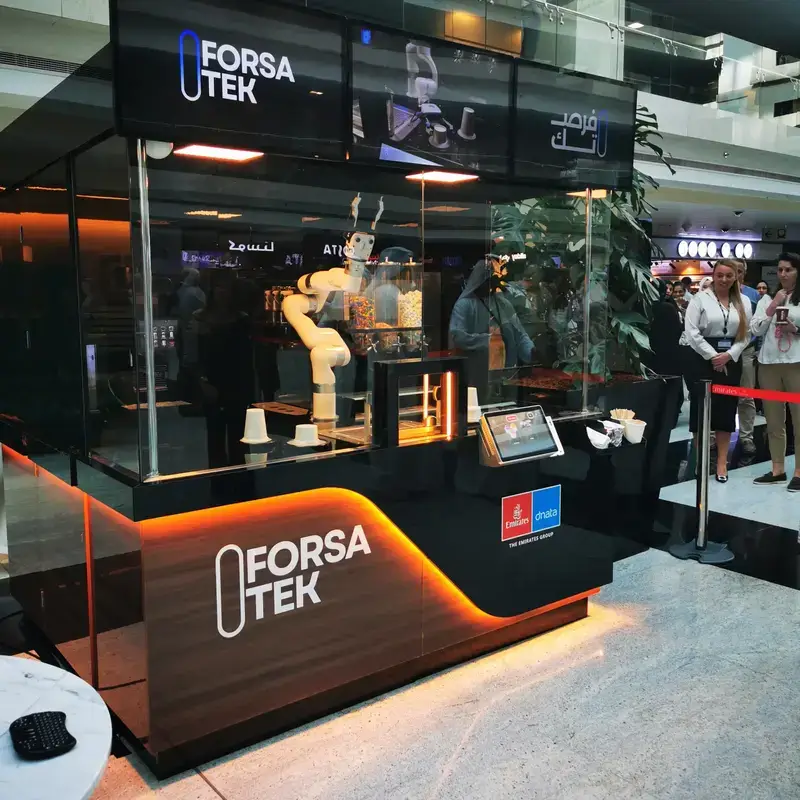
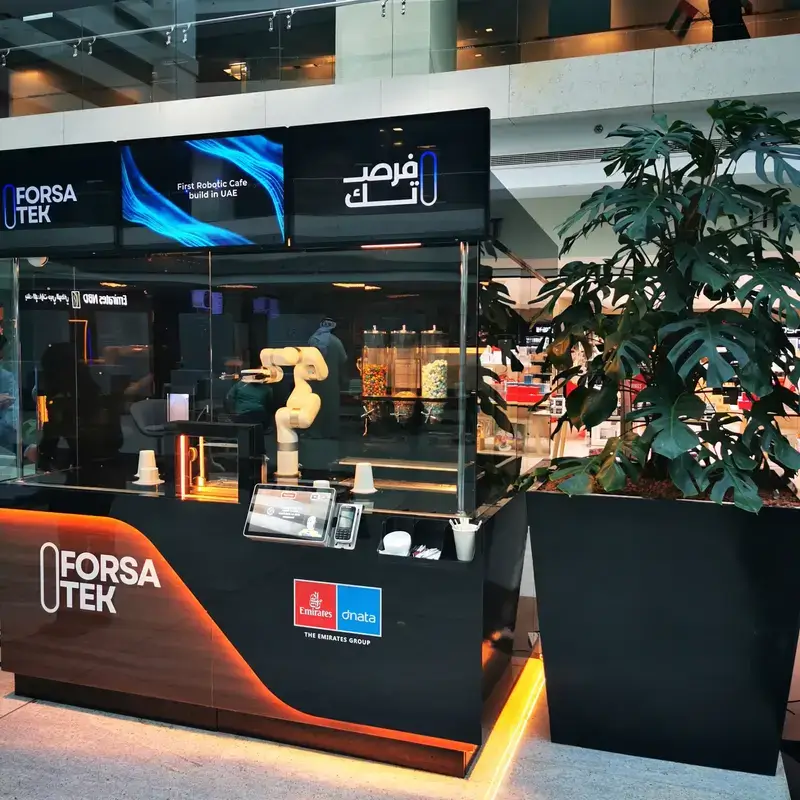
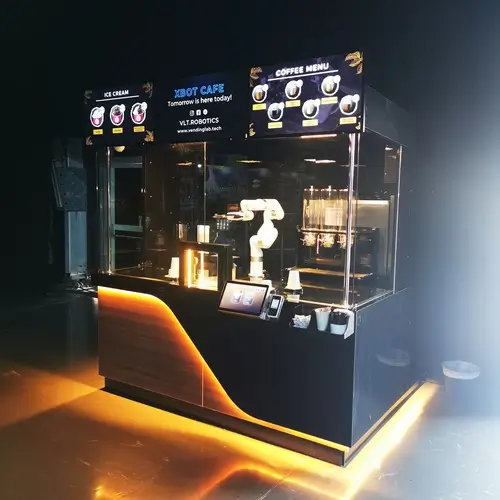
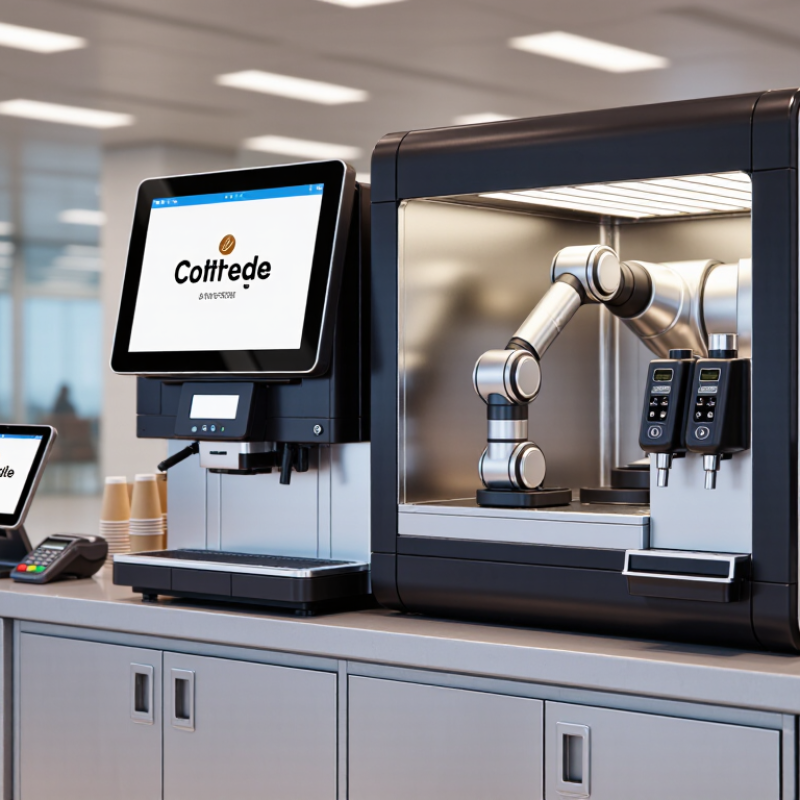
A robot coffee vending machine is a compact, self-service beverage system. It stores beans, grinds them, brews coffee, and serves the drink automatically. Some models use robotic arms, while others rely on enclosed automated brewing modules. A customer chooses a drink on a touchscreen, watches the cup move under the dispenser, and collects it within minutes. The machine may also control water temperature, milk dosing, cleaning cycles, and payment processing.
Demand has a practical foundation. The International Coffee Organization reported global coffee consumption of about 177.9 million 60-kilogram bags in 2023/24. Meanwhile, the International Federation of Robotics recorded 541,302 new industrial robots installed worldwide in 2023. These figures do not measure coffee kiosks directly. However, they show strong coffee demand and broader confidence in automation. That distinction matters.
Manufacturers should be evaluated through measurable performance, not dramatic demonstrations. Check brewing consistency, food-contact materials, sanitation records, refill capacity, energy use, and service response times. A machine producing 100 cups daily may need different hardware than one serving 500 cups. Field testing is essential. A flawless showroom demo proves little about winter mornings, crowded stations, or a failed milk sensor. I would also question fully unmanned operation in every location. Human support remains useful when equipment jams or customers need assistance.
2026 Top Robot Coffee Vending Machine Manufacturers? - What Is a Robot Coffee Vending Machine?
| Evaluation Dimension | What It Means | Verified Industry Information | Why It Matters When Comparing Manufacturers | Recommended Evaluation Method |
|---|---|---|---|---|
| Definition | A robot coffee vending machine is an automated beverage system that combines coffee preparation, ingredient dispensing, payment, sanitation controls, and order management in one self-service unit. | Depending on the configuration, the machine may use whole beans, ground coffee, liquid milk, powdered milk, or ready-to-use beverage ingredients. | A clear definition prevents buyers from comparing a simple coffee dispenser with a robotic café-style system that performs several preparation steps automatically. | Confirm which preparation and service functions are automated rather than relying only on the word “robot.” |
| Typical Beverage Workflow | The normal workflow includes order selection, payment or access validation, ingredient dosing, brewing or mixing, cup dispensing, beverage delivery, and system rinsing or cleaning. | Different machines automate different portions of this process. Some brew from fresh beans, while others prepare drinks from soluble or pre-portioned ingredients. | The workflow directly affects beverage quality, service speed, staffing requirements, and maintenance workload. | Request a complete process diagram and a live demonstration of a full beverage cycle. |
| Coffee Preparation Technology | The preparation system may include an integrated grinder and brewer, an espresso module, a filter-brewing unit, or an instant beverage mixer. | Fresh-bean systems generally require grinding, dosing, brewing, waste collection, and more frequent cleaning than soluble coffee systems. | Preparation technology influences taste consistency, ingredient storage, operating complexity, and service intervals. | Compare the brewing method, recipe control, extraction parameters, waste handling, and cleaning procedure. |
| Milk and Topping System | Milk can be supplied as refrigerated fresh milk, shelf-stable liquid milk, powdered milk, or a plant-based alternative, depending on the machine design. | Fresh-milk systems normally require temperature management and more rigorous cleaning. Powdered or shelf-stable systems can simplify storage and operation. | Milk technology affects menu variety, food-safety procedures, operating cost, and the machine’s placement requirements. | Check refrigeration requirements, milk-container capacity, cleaning frequency, allergen handling, and compatibility with local regulations. |
| Menu Flexibility | Menu flexibility refers to the number of recipes, ingredient choices, cup sizes, strength settings, temperature options, and customization functions supported by the system. | Common menu items include black coffee, espresso-style drinks, Americano-style drinks, cappuccino-style drinks, latte-style drinks, tea, chocolate beverages, and cold drinks where supported. | A broader menu may increase customer appeal but can also increase ingredient complexity, cleaning needs, and potential points of failure. | Evaluate the recipe editor, ingredient compatibility, seasonal menu support, and time required to change recipes. |
| Service Capacity | Service capacity is the number of drinks the machine can produce during a defined period while maintaining the required quality and availability. | Actual throughput depends on recipe complexity, cup handling, ingredient replenishment, brewing time, payment processing, and cleaning cycles. Advertised maximum output may not equal practical daily capacity. | Capacity determines whether the machine is suitable for offices, hospitals, campuses, transport hubs, retail locations, or other high-traffic environments. | Ask for measured throughput under realistic recipes and peak-period conditions, not only an unloaded cycle time. |
| Automation Level | Automation level describes how much of the beverage preparation, cup handling, payment, monitoring, and maintenance process is completed without staff intervention. | Advanced systems may include automatic cup dispensing, ingredient monitoring, remote alerts, automated rinsing, and robotic movement for selected preparation or presentation tasks. | Higher automation can reduce routine labor but may increase equipment complexity and the need for specialized technical support. | List every task that still requires an operator, including refilling, waste removal, cleaning, and fault recovery. |
| Food Safety and Hygiene | Hygiene controls include food-contact material selection, cleaning access, temperature control, wastewater management, and procedures for milk and other perishable ingredients. | Food-service equipment must be operated and maintained according to applicable local health, sanitation, electrical, and safety requirements. | Hygiene performance affects customer safety, regulatory compliance, product quality, and the continuity of operation. | Review cleaning instructions, sanitation records, temperature monitoring, food-contact certifications, and service access points. |
| Remote Monitoring | Remote monitoring allows operators to view machine status and receive information about sales, stock levels, faults, temperature, cleaning needs, or connectivity. | Connected systems commonly use a web dashboard or mobile interface, although the available data fields and communication methods vary by system. | Remote visibility can reduce unnecessary site visits and help operators respond before ingredient shortages or technical faults interrupt service. | Verify data ownership, alert types, dashboard availability, network requirements, cybersecurity practices, and export options. |
| Payment and User Interface | The user interface may include a touchscreen, physical controls, QR payment, bank-card payment, mobile payment, cash acceptance, or access-card functions. | Payment options depend on the target market, payment-service integration, local regulations, and the selected payment terminal. | Simple navigation and reliable payment processing reduce abandoned orders and improve the customer experience. | Test the interface for accessibility, language support, transaction recovery, receipt options, and offline payment behavior. |
| Installation Requirements | Installation requirements may include floor space, electrical power, water supply, drainage, ventilation, network connectivity, and clearance for service access. | Some machines use an internal water tank and waste container, while others are designed for plumbed water and fixed drainage connections. | Site requirements affect installation cost, location flexibility, building approvals, and long-term operating reliability. | Obtain a site-preparation document with dimensions, weight, power specifications, water quality requirements, drainage details, and access routes. |
| Ingredient and Waste Capacity | This dimension covers the capacity of coffee, milk, toppings, cups, water, wastewater, and spent coffee grounds or other waste containers. | Capacity varies according to machine architecture and must be matched to expected demand, delivery schedules, and operator availability. | Larger capacities can reduce service visits, while smaller capacities may be more suitable for compact or low-volume sites. | Calculate expected daily consumption and compare it with usable capacity rather than nominal container volume alone. |
| Reliability and Maintainability | Reliability concerns consistent operation, while maintainability concerns how quickly and safely staff can clean, refill, inspect, repair, and restore the machine. | Common service requirements include grinder adjustment, brewer cleaning, milk-system sanitation, waste removal, filter replacement, and software updates. | Downtime can reduce revenue and customer confidence, especially in locations without on-site technical staff. | Compare preventive-maintenance schedules, spare-parts availability, remote diagnostics, service response targets, and fault-recovery procedures. |
| Energy and Resource Efficiency | Efficiency includes electricity use, water use, ingredient waste, packaging waste, standby consumption, and the ability to manage heating or refrigeration demand. | Energy consumption varies with boiler design, refrigeration, standby settings, beverage volume, ambient conditions, and cleaning cycles. | Resource efficiency influences operating cost and supports sustainability targets without relying on unverified marketing claims. | Request measured energy and water data for standby, normal operation, peak use, and cleaning modes. |
| Customization and Software | Software functions may include recipe management, pricing, promotions, user permissions, sales reporting, language selection, and remote configuration. | Cloud-connected systems can support centralized management of multiple machines, subject to network availability and the provider’s software policy. | Flexible software makes it easier to manage menus, prices, promotions, and operational data across different locations. | Check software update policies, subscription fees, integration options, data export, user roles, and service continuity if connectivity is lost. |
| Safety and Compliance | Relevant compliance areas can include electrical safety, electromagnetic compatibility, machinery safety, food-contact materials, refrigeration safety, and local vending regulations. | Required approvals differ by country and by the machine’s electrical, mechanical, refrigeration, payment, and food-service configuration. | Compliance documentation helps reduce import, installation, insurance, and operational risks. | Request applicable certificates, declarations, test reports, manuals, and country-specific compliance documentation before purchase. |
| Total Cost of Ownership | Total cost includes purchase or leasing cost, installation, ingredients, cups, utilities, payment fees, software, maintenance, spare parts, cleaning supplies, and downtime. | The lowest purchase price does not necessarily produce the lowest operating cost because consumables, service, and infrastructure can vary substantially. | A full cost model supports a more accurate comparison between different machine technologies and operating models. | Calculate cost per beverage and annual operating cost using realistic sales volume, ingredient prices, labor, utilities, service, and replacement-part assumptions. |
| Best-Fit Applications | Robot coffee vending machines are commonly considered for locations requiring unattended or lightly staffed beverage service. | Potential locations include offices, shopping centers, universities, hospitals, hotels, transport facilities, leisure venues, and public buildings, subject to site suitability and local requirements. | The best machine depends on traffic volume, customer expectations, available utilities, staffing model, and the desired beverage range. | Match the machine to the site’s demand pattern, operating hours, service access, customer profile, and required menu quality. |
Related Posts
-
How to Choose a Robotic Barista Coffee Machine?
-
Emerging Trends in Automated Beverage Solutions for 2025 with Smart Vending Alternatives
-
What Is a Robotic Barista Coffee Machine?
-

Comprehensive Insights into 7 Key Features of Robot Coffee Vending Machine for Global Buyers
-
Unlocking the Future: Mastering the Art of the Robotic Coffee Bar Experience
-

How to Choose the Best Coffee Machine Robot for Your Home Brewing Needs