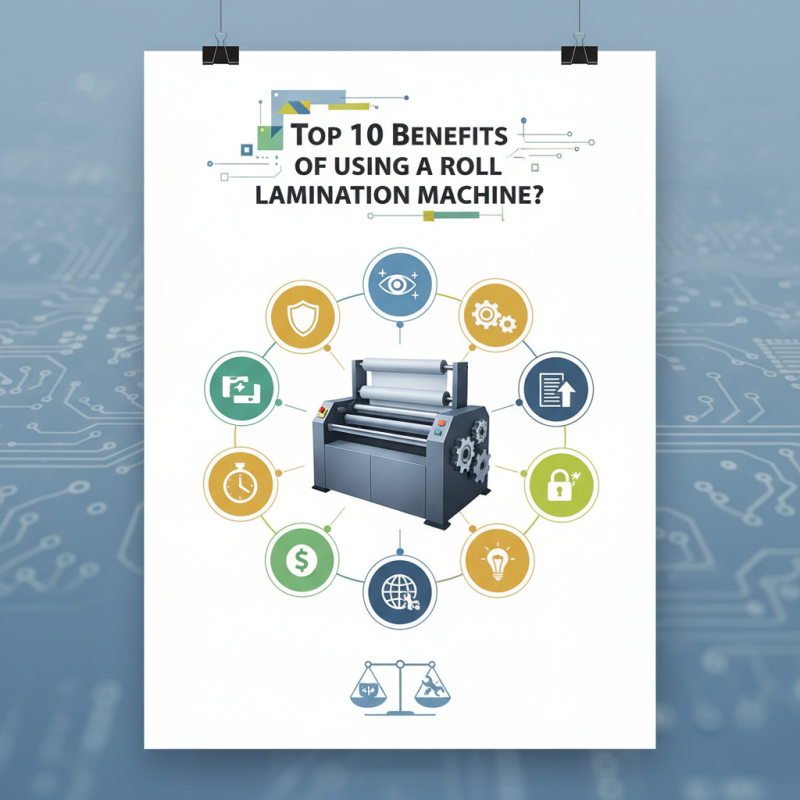
Top 10 Benefits of Using Roll Lamination Machine?
In today's fast-paced world, businesses constantly seek effective tools to enhance production efficiency and quality. A Roll Lamination Machine stands out as a pivotal asset for many industries. This machine offers streamlined processes for protecting and finishing various documents.
The benefits of using a Roll Lamination Machine are manifold. It improves durability, ensuring that printed materials withstand wear and tear. Additionally, the machine enhances visual appeal, giving products a polished, professional look. However, some may overlook the need for regular maintenance. Without care, even the best machines underperform over time.
Investing in a Roll Lamination Machine can transform workflows. Yet, organizations must evaluate their specific needs carefully. While the benefits are significant, understanding both advantages and challenges is key.
Advantages of Increased Durability and Protection in Roll Lamination
Roll lamination is a sophisticated process that greatly enhances the durability of materials. When items are laminated, their resistance to wear and tear increases. This means they can withstand daily use and harsh conditions better. The protective layer helps safeguard against moisture, dust, and grime. Even minor spills are less likely to damage the surface beneath.
However, it’s crucial to consider that not all lamination is equal. Some materials may not react well over time. The adhesive might degrade under certain temperatures. This is a point to reflect on when choosing your lamination type. Ultimately, a successful lamination enhances longevity and keeps your documents or products looking new.
Additionally, roll lamination achieves a sleek finish that can enhance presentation. It makes printed materials shine, attracting more attention. Yet, there might be occasions when the finish feels excessive. Balancing aesthetics and function can be challenging. It’s about finding what works best for your needs while ensuring maximum protection.
Enhancement of Aesthetic Appeal through Glossy Finishing
Roll lamination machines significantly enhance product appeal. One of the primary benefits is the glossy finish they provide. This shiny surface catches the eye and adds a professional touch to printed materials. Whether it’s brochures, posters, or photographs, the glossy finish creates a vibrant look. Glossy lamination can also make colors appear more vivid and attractive. This is crucial when the goal is to captivate an audience’s attention.
However, not all results meet expectations. Sometimes, the glossy finish can create glare under certain lighting. This might take away from the text or images, making them hard to view. Not every surface benefits from a high shine. Some designs might call for a more matte approach instead. It’s important to experiment with finishes to find what works best for your project.
Additionally, the roll lamination process can sometimes produce bubbles or inconsistencies. These imperfections can detract from the overall aesthetic appeal. Careful attention to detail is needed during application. Testing with different materials and finishes could lead to better outcomes. Balancing gloss with practicality often requires reflection and adjustments. The pursuit of perfect finishing is an ongoing journey in the world of lamination.
Efficiency in Large-Scale Production with Roll Lamination Machines
Roll lamination machines are essential for efficiency in large-scale production. These machines streamline the lamination process, reducing manual labor and the time required to complete tasks. By utilizing continuous rolls, manufacturers can laminate large volumes of materials quickly. This enhances productivity and allows businesses to meet high-demand scenarios without compromising quality.
Implementing roll lamination machines can lead to some challenges. For instance, the initial investment can be significant. Smaller companies may find it hard to justify such costs upfront. Also, training staff to properly operate the machines is necessary. If operators are inexperienced, it can result in wasted materials and increased production time. Understanding these potential pitfalls is crucial for effectiveness.
Moreover, continual maintenance is required to keep these machines functioning optimally. Neglecting routine checks can lead to breakdowns and delays. The balance between efficiency and upkeep often requires thorough planning. Awareness of these aspects can help businesses make informed decisions. By weighing the benefits against possible downsides, they can optimize their production lines.
Cost-Effectiveness of Lamination Processes for Various Industries
Lamination processes offer significant cost benefits across various industries. A roll lamination machine provides a high-speed solution, ensuring efficiency in production. This efficiency translates to reduced labor costs and increased output. Many businesses find these machines pay for themselves quickly through enhanced productivity.
Industries like packaging and print media heavily rely on lamination. The durability of laminated materials adds value and longevity to products. However, initial setup costs can be a concern. Some companies hesitate, fearing they won't see enough return on investment. Yet, when considering the long-term savings on materials and reprints, it often proves worthwhile.
Additionally, lamination can streamline processes. It minimizes waste and improves the quality of finished products. Some businesses struggle to maintain consistency in lamination quality. This inconsistency can affect customer satisfaction. Regular maintenance of the machinery is essential to avoid operational hiccups. Balancing costs and performance remains a critical consideration for many organizations.
Versatility of Roll Lamination for Diverse Materials and Applications
Roll lamination machines offer versatility that is unmatched in various sectors. These machines are perfect for different materials, including paper, plastic, and fabric. Businesses often utilize roll lamination for items like menus, educational materials, and signage. The flexible application keeps operations efficient. They ensure a professional finish that protects against wear and tear.
However, operators must take time to understand the settings. Achieving the right temperature and pressure is crucial. If adjustments are off, the lamination may not adhere well, leading to bubbles or wrinkles. Always run a few test laminations before proceeding with important projects.
Tips: Regular maintenance of the machine is vital. Clean rollers and components often. This practice extends the machine's life and improves lamination quality. Check the materials you use to avoid compatibility issues. Silky textures may require specific settings for optimal results. Experimentation is key; it may take a few tries to find the perfect balance.
Top 10 Benefits of Using Roll Lamination Machine