Best Flatbed UV Led Printer for Your Business Needs?
In the world of printing, choosing the right equipment is crucial. A Flatbed UV Led Printer can be a game-changer for many businesses. It offers versatility, speed, and high-quality results. However, selecting the best one can be daunting. Options vary widely, and prices can differ significantly.
Every business has unique printing needs. Some may require vibrant colors for promotional materials, while others look for durability for outdoor signage. Your choice will depend on these specific demands. Many companies rush into a decision, only to realize later that their printer does not meet their needs. This can lead to wasted resources and time.
Exploring the features of different models is essential. Think about things like print size, speed, and resolution. Also, consider the types of materials you will print on. All of this shapes your business's success. A Flatbed UV Led Printer should not just be another piece of equipment; it should be an investment in your company’s future.
Understanding Flatbed UV LED Printers: Key Features and Technology
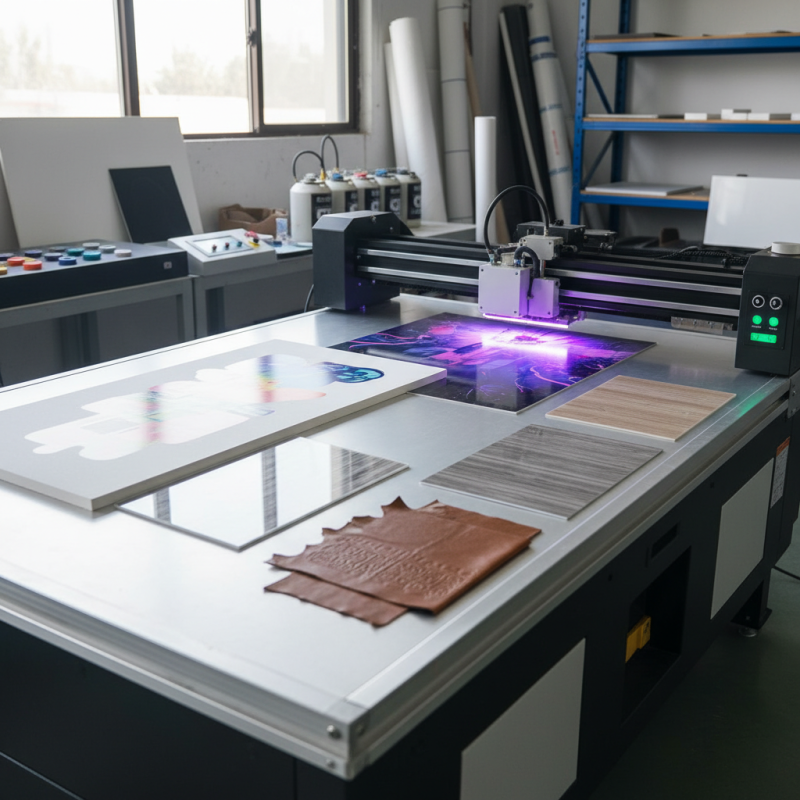
Flatbed UV LED printers are revolutionizing the printing industry. They provide versatile solutions for businesses of all sizes. These printers can handle various materials, from wood and metal to glass and plastic. They use UV light to cure the ink instantly. This technology ensures vibrant colors and sharp images.
The key features of flatbed UV LED printers include large printing formats and high resolution. Many models allow printing directly on the substrate. Users can adjust print settings for specific projects. However, not all printers are created equal. Some may struggle with thicker materials. Others might have limited ink options.
Investing in a flatbed UV LED printer may seem straightforward. Yet, the learning curve can be steep. Understanding the technology is essential. Testing various substrates is necessary to achieve optimal results. Regular maintenance is important for consistent performance. By reflecting on these details, businesses can make informed choices.
Benefits of Using Flatbed UV LED Printers for Businesses
Flatbed UV LED printers offer significant advantages for businesses looking to enhance their printing capabilities. They can print on various materials, including wood, glass, and metal. This versatility allows for customized products that meet specific client needs. Additionally, the quick-drying feature reduces turnaround time, enabling businesses to fulfill orders faster.
One of the benefits is the high-quality output. The printers produce vibrant colors and sharp details. This is crucial for businesses that strive for excellence in their branding efforts. However, it's essential for companies to regularly maintain their equipment to avoid quality issues. Neglecting maintenance can lead to inconsistent results.
Tips: Always test a few samples before a full-run production. Experiment with different materials to find the best fit. Remember, mistakes are part of the learning process. Reflecting on them helps improve future projects. With the right planning, flatbed UV LED printers can significantly enhance your business's offerings.
Best Flatbed UV LED Printer Features Comparison
Top Considerations When Choosing a Flatbed UV LED Printer
When selecting a flatbed UV LED printer, several factors deserve attention. Consider the printer's size and print area. A larger print bed allows for bigger projects. However, it may require more space in your workshop. Think about the materials you will print on. Some printers handle a variety of substrates, while others have limitations. Understanding these capabilities is essential for your business’s versatility.
Print quality is another critical aspect. Look for printers that offer high resolution and vibrant colors. Testing sample prints can help gauge this. Don't overlook the speed of the printer either. Faster printers can boost productivity, but they might compromise quality. Balancing speed and quality can be challenging.
Additionally, maintenance and running costs must be evaluated. Some printers may have a low initial cost but higher operating expenses. It’s important to factor in ink costs and potential repairs. Always research and reflect on your specific needs. It might take time to find the perfect fit, but this effort can pay off in the long run.
Comparing Leading Brands of Flatbed UV LED Printers
When choosing a flatbed UV LED printer for your business needs, consider various factors. Not all printers are designed for the same tasks. Some excel in speed while others focus on quality. Identifying your specific requirements is crucial.
Evaluate the print size and material versatility. Many printers can handle various substrates, which opens up creative opportunities. However, some might struggle with thicker materials. This could limit your projects. Think about what you want to print.
Tips: Test sample prints whenever possible. This helps assess color accuracy and resolution. Also, consider the printer's maintenance requirements. Some models need more attention than others.
Finally, pay attention to customer support. Access to tutorials and tech help can save you time. Good support can make or break your experience. A well-rounded choice will meet your business's demands while allowing for growth and adaptability.
Maintenance and Care Tips for Your Flatbed UV LED Printer
When operating a flatbed UV LED printer, maintenance is crucial for optimal performance. Regular upkeep can extend the printer’s lifespan significantly. According to industry reports, a well-maintained printer can achieve up to 30% more efficiency. Dust and ink residue can accumulate and affect print quality. Therefore, routine cleaning is essential.
Tip: Clean the printheads regularly. Use a soft cloth and appropriate cleaning solution to avoid clogs. This simple step helps maintain crisp, clear outputs.
In addition, it’s important to monitor the ink levels. Studies suggest that operating with low ink can lead to subpar printing and increased wear on components. Be vigilant and replace cartridges promptly to avoid damage.
Tip: Schedule monthly check-ups. This includes checking for software updates and inspecting belts. Early detection of issues can save time and costs down the line.
Finally, consider environmental conditions. Extreme temperatures or humidity can adversely affect the printer's performance. Aim for a controlled environment to enhance reliability. It's worth reflecting on how these factors can impact your production capacity.