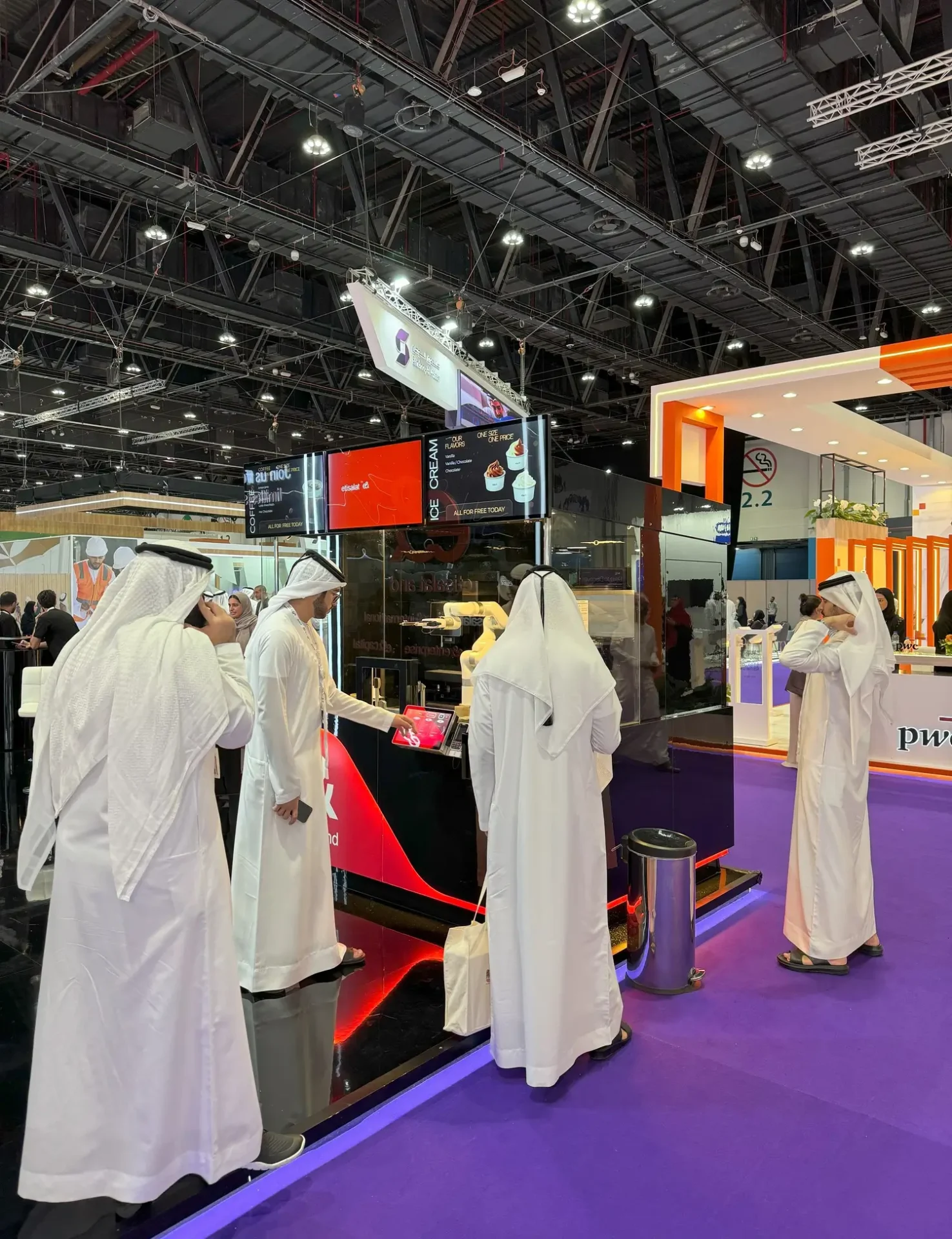
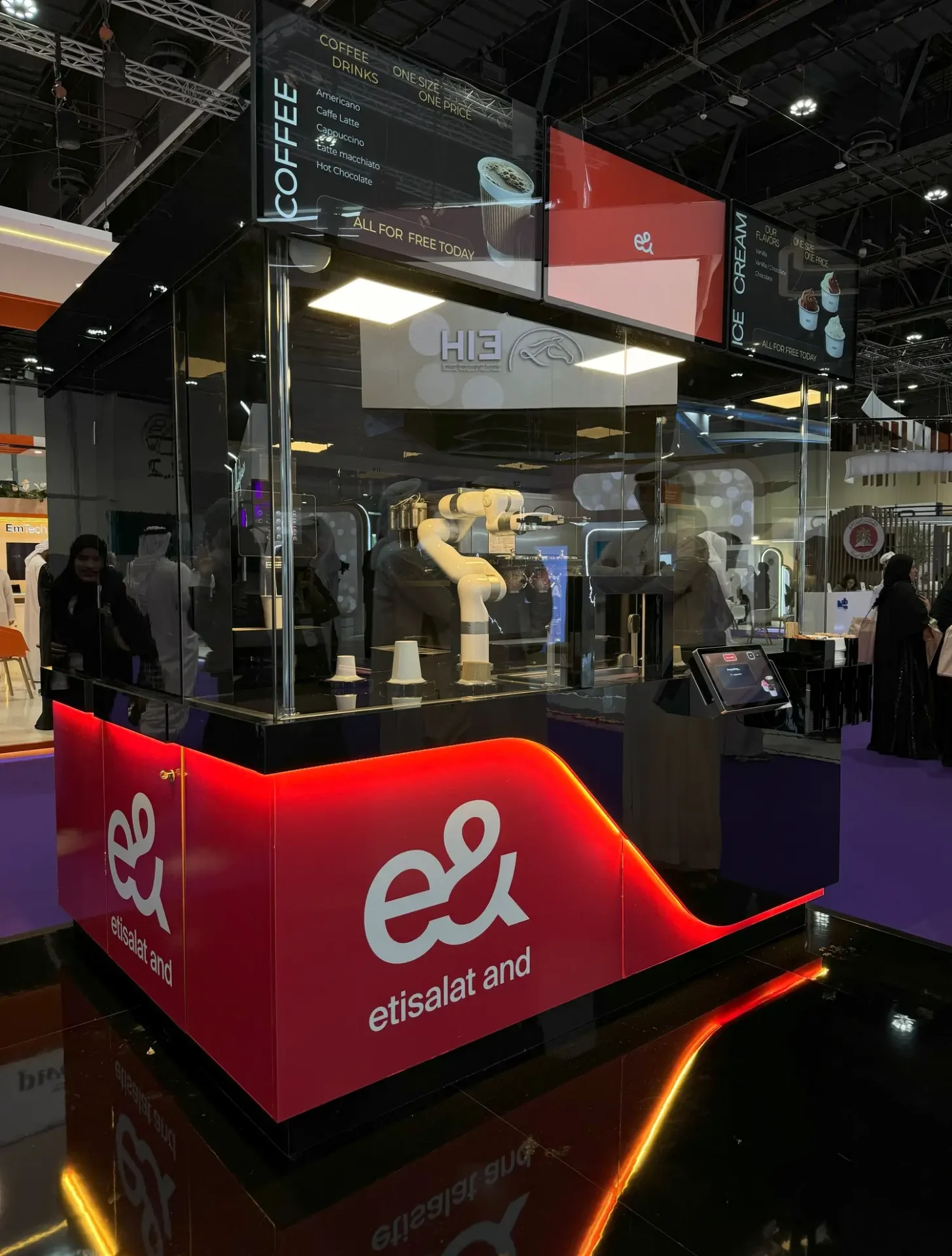
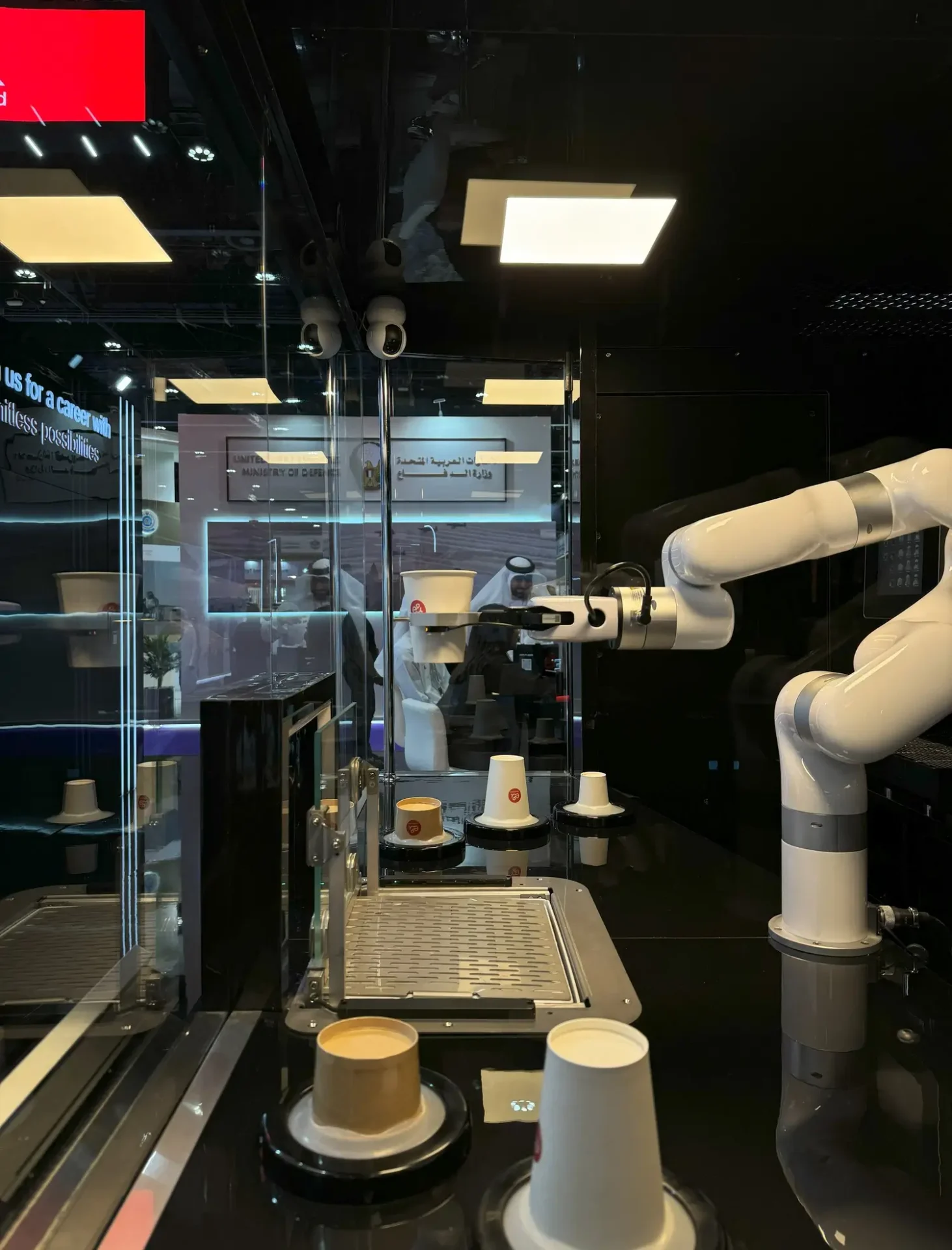
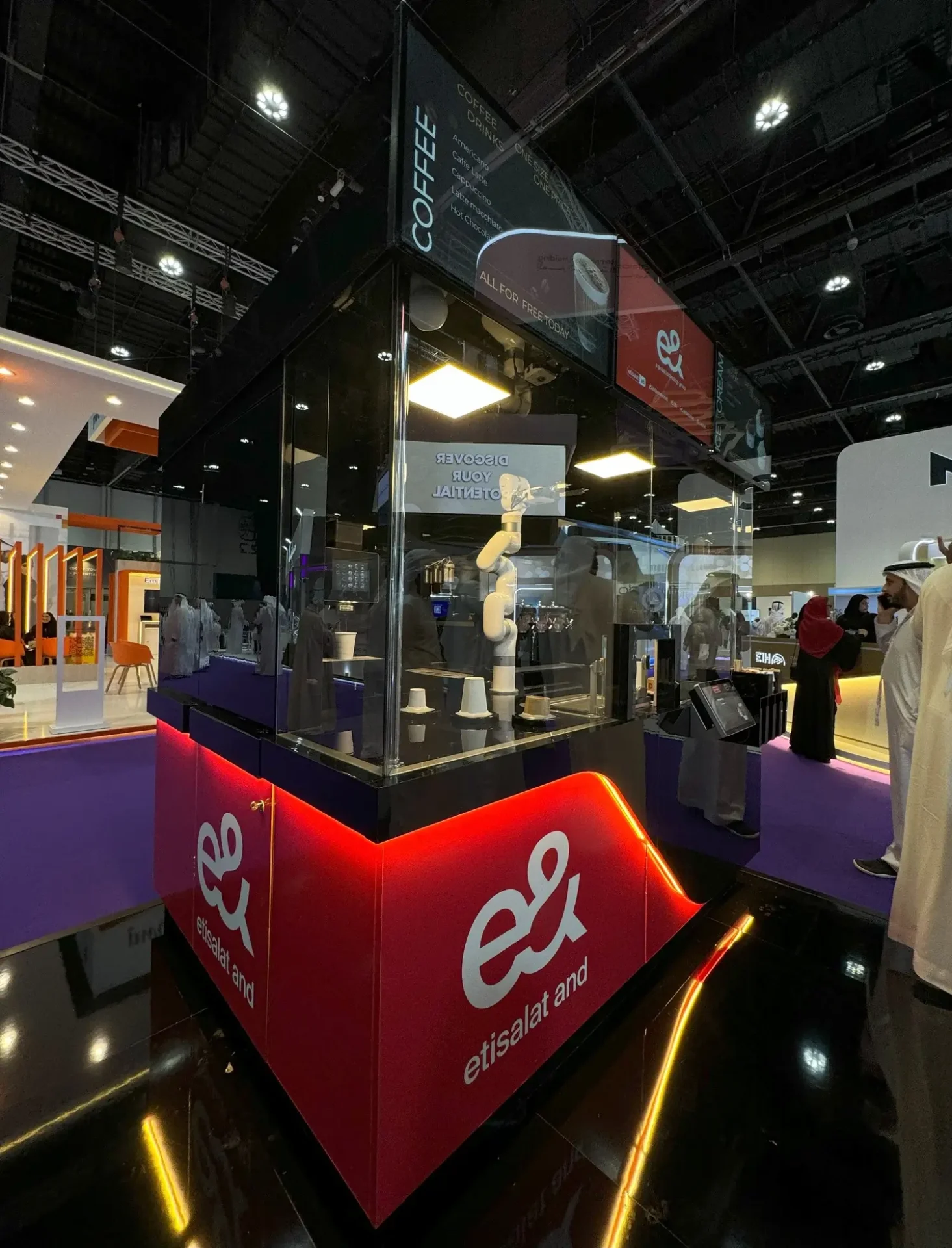
Why Choose an Ice Cream Robot for Your Business Needs?
In today's competitive market, selecting the right tools for your business is crucial. An Ice Cream Robot can revolutionize your dessert offerings. This innovative machine can consistently produce high-quality ice cream, enhancing customer satisfaction.
Imagine serving delicious, perfectly swirled ice cream without the wait. An Ice Cream Robot not only saves time but also reduces labor costs. It eliminates the risk of human error, ensuring uniformity in product quality. However, integrating this technology demands careful consideration. It may require an upfront investment and proper training for staff.
As the demand for unique and customizable flavors grows, an Ice Cream Robot offers flexibility. You can easily experiment with various ingredients, keeping your menu fresh. Yet, it's essential to evaluate your business model before implementation. Will this technology genuinely meet your customers' needs? Balancing automation with personal touch remains a challenge.
Advantages of Implementing an Ice Cream Robot in Your Business
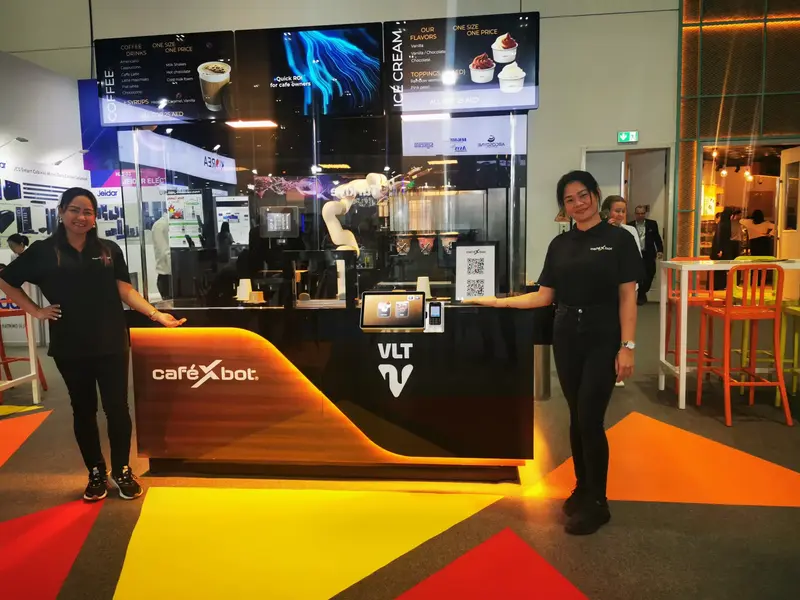
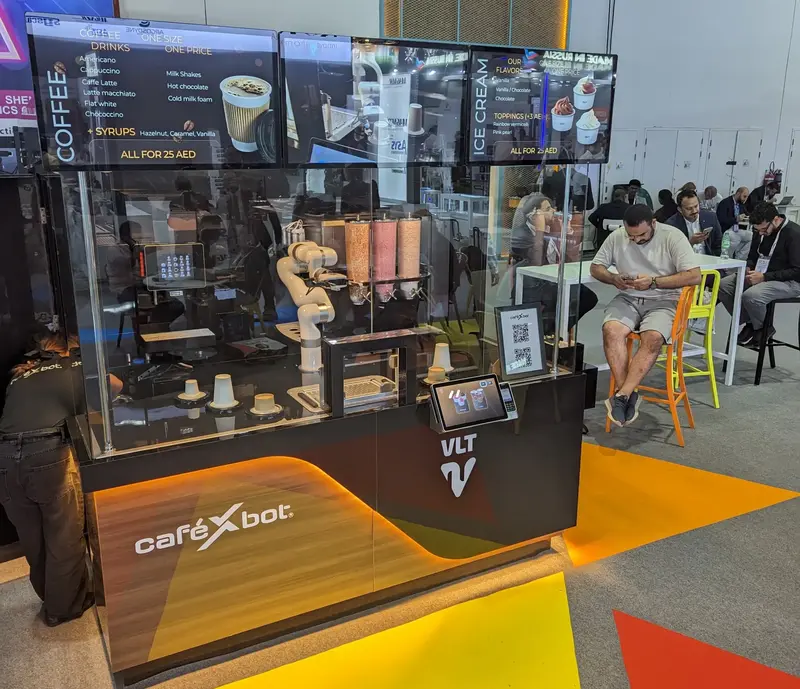
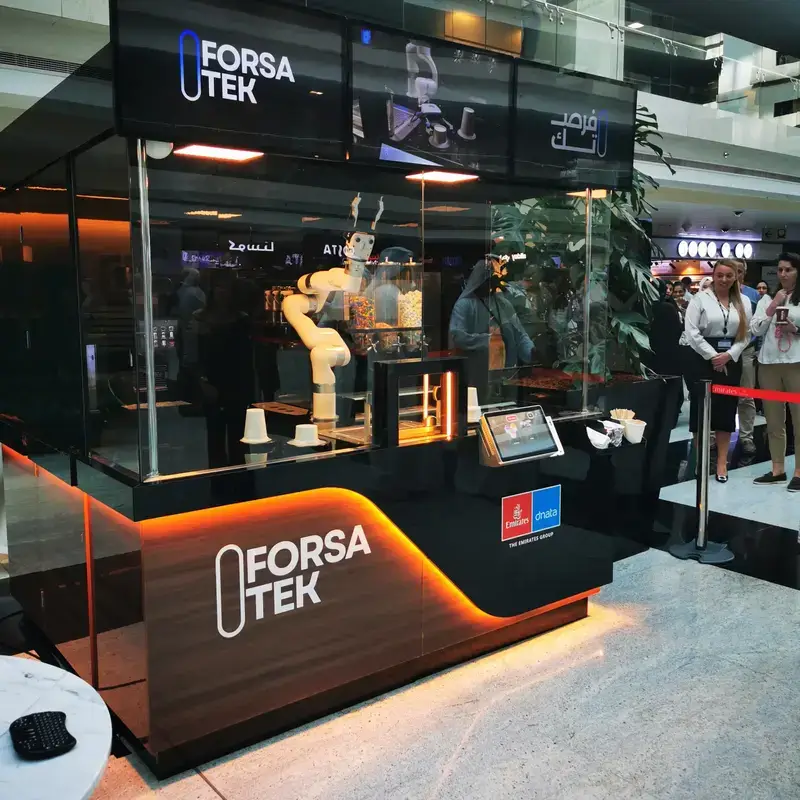
Implementing an ice cream robot in your business presents numerous advantages. These machines can produce a consistent product with minimal human interaction. This leads to fewer errors and a more reliable customer experience. The robot can serve various flavors and customize orders efficiently, catering to diverse customer preferences. Imagine a busy summer afternoon where the robot delivers perfect cones without delays.
Cost efficiency is another benefit. While the initial investment may seem high, the savings on labor can be significant. A robot can operate for hours without breaks or overtime pay. Additionally, machines can efficiently manage inventory, reducing waste and ensuring fresh ingredients. This focus on efficiency may require retraining staff to work alongside technology, but the benefits could outweigh the challenges.
Moreover, using an ice cream robot can enhance your brand’s image. It showcases innovation and attracts tech-savvy customers. However, the reliance on machines raises questions about the personal touch that human staff provide. Balancing automation with customer service is essential. Reflect on how the customer experience might change and consider ways to maintain that personal connection.
Industry Growth Trends Supporting Automation in Food Services
The food service industry is witnessing a significant shift towards automation. This change is driven by the need for efficiency and consistency. Automation can streamline operations, thereby reducing labor costs and minimizing human error. With labor shortages becoming a common challenge, many businesses find that an ice cream robot can serve as a reliable solution.
Recent data suggests that automated food service solutions enhance customer experience. Customers enjoy the novelty of robots, which can provide a fun and engaging way to enjoy their favorite treats. Additionally, ice cream robots can serve a higher volume of customers quickly. This efficiency can lead to increased revenue, especially during peak hours when demand is high.
However, the transition to automated solutions is not without its challenges. Initial costs can be high and there may be a learning curve for both staff and customers. Familiarizing employees with the technology is essential. Despite these hurdles, the long-term benefits often outweigh the early obstacles. Adapting to these innovations requires thoughtful reflection and a willingness to embrace change.
Cost Efficiency Analysis: Ice Cream Robots vs. Traditional Labor
Investing in an ice cream robot can appear costly at first. However, businesses often overlook the long-term savings. Traditional labor involves wages, benefits, and training costs. Robots require a significant upfront investment, but their operational expenses are significantly lower. They don’t need breaks, health insurance, or overtime pay. This factor alone can lead to substantial savings over time.
Labor shortages can force businesses to raise wages to attract workers. In contrast, an ice cream robot operates tirelessly. The initial expense of purchasing a robot can be recouped quickly through reduced labor costs. With automation, efficiency improves. Robots produce ice cream consistently, ensuring customers are satisfied. You can serve more customers rapidly, thereby increasing revenue potential.
While robots offer clear benefits, not every business may find them suitable. Some might struggle with maintenance or technical issues. A robot cannot fully replicate human touch when it comes to customer interactions. For businesses focused on personalized service, this could be a setback. A mixed approach, blending automation with personal service, may be the best route.
Cost Efficiency Analysis: Ice Cream Robots vs. Traditional Labor
| Metric |
Ice Cream Robot |
Traditional Labor |
| Initial Investment |
$25,000 |
$5,000 |
| Annual Operating Cost |
$3,000 |
$50,000 |
| Labor Hours per Week |
0 |
40 |
| Production Rate (Orders/Hour) |
120 |
30 |
| Return on Investment (Years) |
2.5 |
N/A |
| Maintenance Cost per Year |
$500 |
N/A |
Consumer Preferences and Demand for Automated Ice Cream Solutions
Consumers today crave unique experiences. They seek more than just food; they look for innovation and convenience. Automated ice cream solutions perfectly fit this demand. A robotic ice cream machine can create custom flavors quickly. It appeals to tech-savvy customers who enjoy novelty. Additionally, these machines can serve multiple customers at once. This efficiency can boost sales during peak hours.
Moreover, hygiene and consistency are essential. Automated systems reduce human error and enhance food safety. Ice cream robots can ensure each scoop meets a high standard. This reliability can build customer trust. Still, it's important to balance automation with a personal touch. Some customers appreciate interaction while ordering. Finding the right mix is vital for success. Investing in technology should not overshadow the value of customer relationships.
Reflecting on evolving consumer preferences leads to better business decisions. Observing market trends and customer feedback is crucial. Not all customers will embrace automation. Understanding this can help refine offerings. A blend of tradition and innovation often leads to the best outcomes. This approach may require adjustments over time, but it can ultimately elevate the customer experience.
Consumer Preferences for Automated Ice Cream Solutions
Case Studies: Successful Ice Cream Robots in the Market
The rise of ice cream robots is transforming the dessert industry. Several case studies illustrate their success in various markets. Research shows that automation in food service can increase efficiency by up to 30%. Robots handle tasks like mixing and serving, ensuring customers receive high-quality products with consistent taste. Many operators report reduced labor costs as a significant benefit.
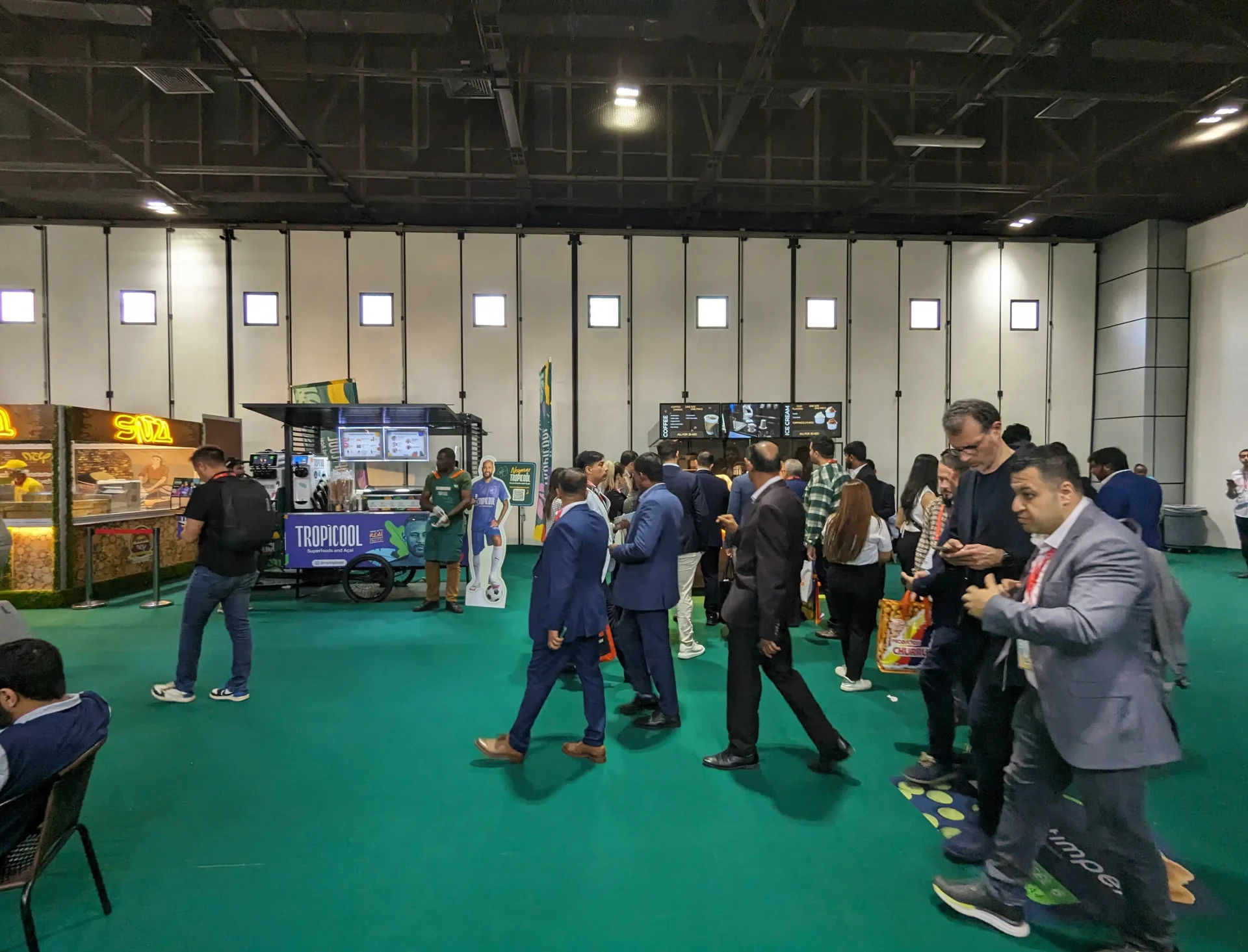
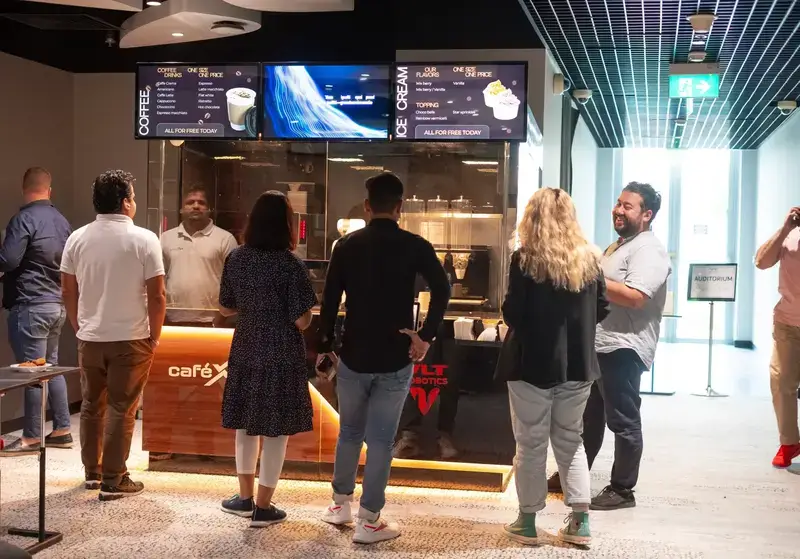
A notable example is a mobile ice cream robot that requires minimal oversight. It operates efficiently during peak hours, attracting long lines. Data indicates that businesses using such robots experience a 25% increase in sales during summer months. However, while the initial investment can be steep, the long-term savings are undeniable.
Tips: Consider location and foot traffic when deploying an ice cream robot. Analyze local preferences and adjust offerings. While these robots may excel in efficiency, remember to monitor customer satisfaction closely. Technology cannot replace personalized service. Balancing automation with human interaction is key to thriving in a competitive market.