How to Choose a Digital Flatbed Printer for Your Business?
Choosing the right Digital Flatbed Printer can transform your business. According to industry expert John Smith, "The right printer is not just a tool; it’s an investment in your vision." This underscores the importance of making an informed decision when selecting a printer.
The Digital Flatbed Printer market is vast and diverse. With many brands and models available, it can feel overwhelming. Features like print speed, color quality, and media versatility are crucial. Moreover, understanding your specific business needs is essential. Each business has unique requirements that can influence the choice of printer.
Investing in a Digital Flatbed Printer means recognizing its impact on your workflow. Sometimes, cheaper options may lead to frustration later. It’s vital to reflect on your long-term goals. A well-selected printer can enhance productivity and creativity, but a poor choice can hinder growth.
Understanding the Basics: What is a Digital Flatbed Printer?
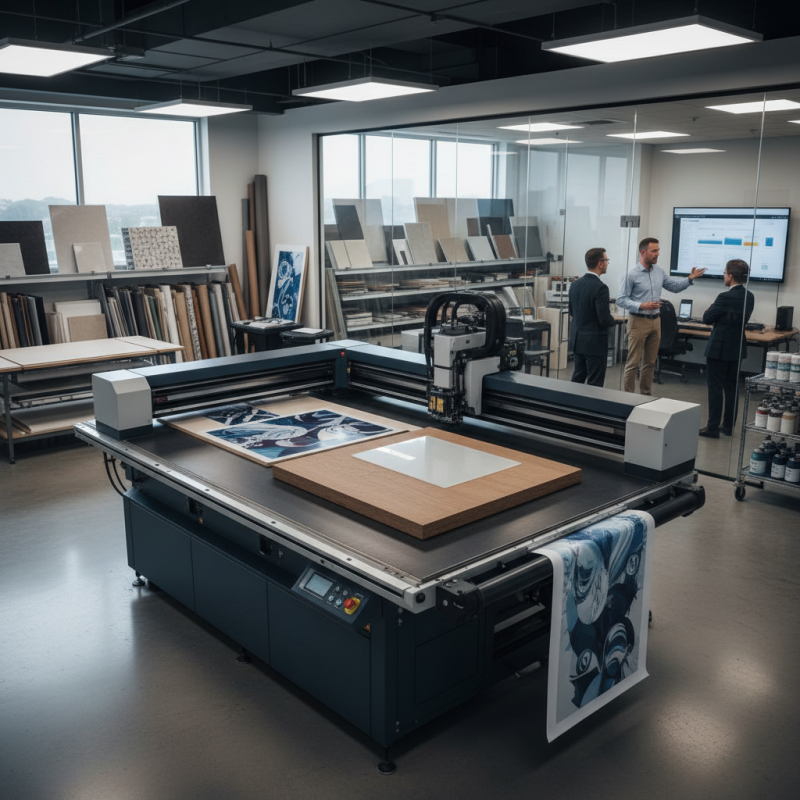
A digital flatbed printer is a versatile piece of equipment that caters to various printing needs. It uses UV technology to print directly onto different materials, like wood, metal, and acrylic. This ability opens up new avenues for businesses looking to expand their product offerings. Companies can print custom graphics at high resolutions, making them ideal for signage, packaging, and promotional items.
Understanding how a flatbed printer works is crucial. The printer's flat surface allows for thicker substrates, creating unique printed products. However, users must consider the maximum material thickness. Some printers can handle more than others. This could limit or enhance the types of projects you can take on.
Additionally, maintenance requirements can vary. Regular upkeep is vital to avoid costly repairs and ensure longevity. It's essential to reflect on these aspects when making your purchase decision.
Key Features to Consider When Choosing a Digital Flatbed Printer
When choosing a digital flatbed printer, consider several key features. Print quality is paramount. Look for printers with high resolution capabilities. A printer that offers crisp details and vibrant colors is essential. Check the maximum print area, too. Larger surfaces allow greater creativity, but can complicate workflow.
Speed is another vital aspect. Some printers print faster than others. Balancing speed and quality can be tricky. If you focus too much on speed, you might compromise on detail. Similarly, think about materials. Some printers work well with diverse substrates. Others may only handle specific materials, limiting your options.
Don’t forget about maintenance and support. Frequent downtimes can be costly. Some models require more upkeep than others. User-friendly interfaces can simplify operation, but not all are intuitive. Evaluating these factors carefully can help avoid future regret. Reflect on your business needs and make informed decisions.
Assessing Your Business Needs: Volume and Types of Materials
When selecting a digital flatbed printer, understanding your business needs is crucial. Assess your printing volume first. This helps in determining the right machine for your operational scale. A report by Smithers Pira states that the digital print market will reach $187 billion by 2023, emphasizing the growing demand for efficient printing solutions. Evaluate how many prints you expect daily or weekly. High-volume businesses need machines that can handle increased workloads without sacrificing quality.
Consider the types of materials you'll print on. Digital flatbed printers excel in versatility. They handle various substrates such as wood, metal, and plastics. Industry data indicates that 35% of businesses use flatbed printers for diverse materials. Think about specific projects. Will you be printing on rigid or flexible materials? Understanding your material needs can significantly influence your choice.
Tips: Explore machines that offer dual printing capabilities for enhanced flexibility. Always ask about maintenance support. Regular upkeep is essential for consistent output. Not every project will meet your expectations. Being prepared for trial and error is important. Find your optimal setup through practice. Eventually, this will lead to a smoother operation.
Digital Flatbed Printer Business Needs Assessment
This chart represents the distribution of businesses according to their printing volume needs for digital flatbed printers. Understanding your business's printing volume is critical when selecting the right equipment.
Comparing Costs: Initial Investment and Operating Expenses
When selecting a digital flatbed printer, understanding costs is crucial. The initial investment can vary significantly based on features and capabilities. Basic models are cheaper, but may lack advanced functions. High-end printers come with refined technology. They enable better prints but require a larger upfront cost.
Operating expenses also play a role in decision-making. These include costs for ink, media, and maintenance. Cheaper printers may consume more ink, raising your overall expenses. It’s important to consider the long-term costs associated with each model you evaluate.
Tip: Calculate the total cost of ownership. Don’t just look at the purchase price. Also, consider the lifespan and efficiency of the equipment.
Assess your business needs and print volume before settling on a model. Understand that not every printer will fit all requirements. Each choice can impact budget and output quality.
Tip: Research different media types. Some printers handle specific materials better. This choice influences not only quality, but cost.
Be open to feedback from users. Sometimes, real experiences reveal quirks that specs do not. Reflect on your needs and avoid impulse decisions.
Evaluating Brand Reputation and Support Services in the Market
When choosing a digital flatbed printer, brand reputation is critical. A solid reputation often correlates with reliable performance. According to a recent industry report, brands with high customer satisfaction ratings achieve up to 30% better print quality over competitors. Positive reviews often indicate strong customer service and support, which are essential for long-term use.
Evaluating support services can be tricky. Not all brands offer the same level of after-sales support. Some manufacturers provide extensive training programs and dedicated support teams. This can make a difference, especially for businesses new to digital printing. In contrast, others might leave you hanging with vague guidelines. A survey showed that nearly 40% of users felt abandoned by their manufacturer after purchase. This reflects the need for thorough research before committing to a brand.
Take time to explore user feedback. Online forums and social media can provide insights into user experiences. Look for common pain points, particularly regarding service response times and ease of obtaining replacement parts. Gathering firsthand accounts helps create a clearer picture of what to expect.
How to Choose a Digital Flatbed Printer for Your Business?
| Feature | Description | Importance Level | Rating (1-5) |
| Print Quality | High resolution and color accuracy for detailed graphics. | Critical | 5 |
| Speed | The number of square feet printed per hour. | High | 4 |
| Materials Compatibility | Ability to print on various substrates like wood, glass, and metal. | High | 4 |
| User-Friendly Interface | Ease of use for operators and integration with existing systems. | Medium | 4 |
| Technical Support | Availability of customer support and maintenance services. | Critical | 5 |
| Cost of Ownership | Initial purchase price plus ongoing operational costs. | High | 3 |
| Brand Reputation | Customer reviews and industry accolades. | High | 4 |