How to Choose Pocket Filter Media for Your HVAC System?
Choosing the right pocket filter media for your HVAC system can be challenging. It is crucial to find media that suits your specific needs. Various types of pocket filter media exist, each serving different purposes.
First, consider the efficiency rating of the filter media. Higher ratings capture more particles but may restrict airflow. This trade-off can lead to higher energy costs. Also, think about the filter's lifespan. Some filters last longer, but they may have a higher initial cost.
Remember, the ideal pocket filter media should balance filtration efficiency and airflow needs. Assess your building's unique demands, such as occupancy levels and air quality. Keep in mind that investing time in research can prevent future regrets. The right choice plays a significant role in maintaining a comfortable and safe environment.
Types of Pocket Filter Media Available for HVAC Systems
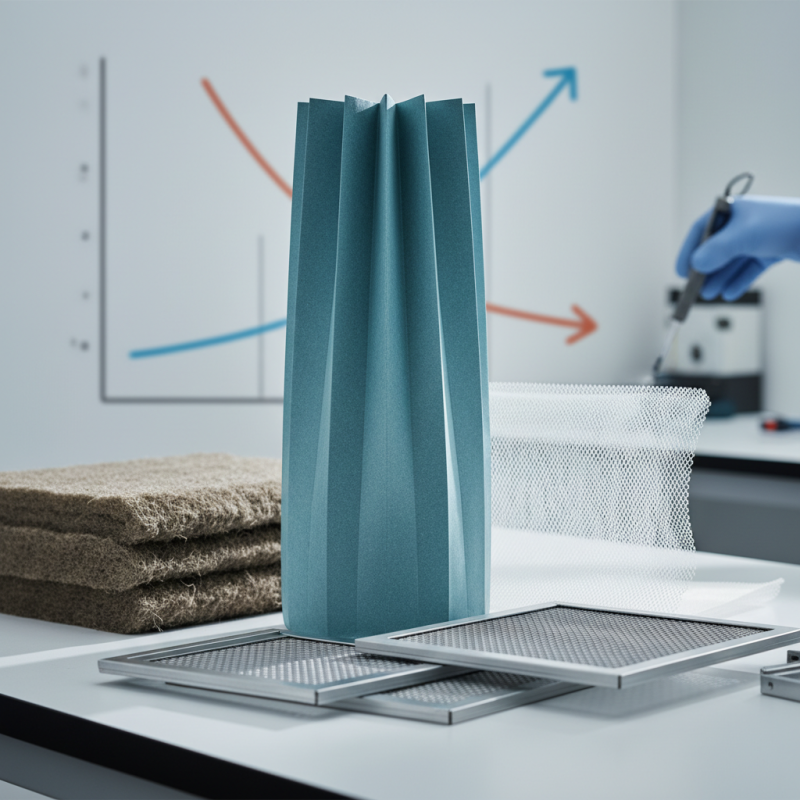
Choosing the right pocket filter media for HVAC systems is crucial. Various types are available, each with specific characteristics. Synthetic media, for example, is known for its durability and lower resistance. It can trap fine particles effectively. A recent industry report highlighted that synthetic filters can capture up to 95% of airborne particles, improving indoor air quality.
Another option is fiberglass media. It is cost-effective but may not offer the same level of filtration as synthetic alternatives. Fiberglass filters typically perform well in low-efficiency applications. However, they might require more frequent replacements. According to a study, fiberglass filters can allow 20-25% of particles to pass through, which might not meet the needs of all environments.
High-efficiency particulate air (HEPA) filters are also available. They capture at least 99.97% of particles over 0.3 microns. These are ideal for hospitals and cleanrooms. Yet, they can lead to increased energy costs due to higher resistance. While these options exist, one must consider the specific requirements and maintain HVAC efficiency. Balancing filtration efficiency and operational costs is a continuous challenge for many facility managers.
How to Choose Pocket Filter Media for Your HVAC System?
| Type of Pocket Filter Media | Particle Size Efficiency | Airflow Resistance | Lifespan | Application |
| Synthetic Media | Up to 95% | Low | 6-12 months | Residential & Commercial HVAC |
| Fiberglass Media | Up to 85% | Medium | 3-6 months | Industrial HVAC |
| Electrostatic Media | Up to 99% | Higher | 6-12 months | Commercial & Healthcare |
| Activated Carbon Media | N/A | Low | 3-6 months | Odor Control |
Factors to Consider When Selecting Pocket Filter Media
Choosing pocket filter media for your HVAC system requires careful consideration of several factors. One important aspect is the filtration efficiency, measured by the MERV rating. Higher MERV ratings capture smaller particles but may restrict airflow. This balance is crucial. Too much restriction can strain your system.
Another factor is the type of media used. Synthetic options can offer better durability and moisture resistance compared to fiberglass filters. However, synthetic materials may not be suitable for all applications. Assess your environment and specific needs. Consider the particulate matter prevalent in the air. Local dust, pollen, and allergens can impact your choice.
Finally, think about maintenance. Filters need regular changing to maintain performance. Installing a filter that lasts longer may seem appealing, but it can lead to neglect if users forget to check. Regular checks are essential, making accessibility a key concern. Sustainability should also be part of your decision, as some materials are more eco-friendly. Remember, the right filter media plays a significant role in your HVAC's efficiency and air quality.
Performance Metrics for Evaluating Filter Media Effectiveness
When evaluating filter media effectiveness for HVAC systems, several performance metrics are crucial. The most common metric is the Minimum Efficiency Reporting Value (MERV). This rating shows how well a filter can remove particles from the air. Higher MERV ratings indicate better filtration efficiency. However, a high MERV may lead to reduced airflow. It's important to balance filtration needs with system performance.
Another critical metric is the filter's Pressure Drop. This represents the resistance the filter poses to the airflow. A significant pressure drop can strain the HVAC system. Users must check the manufacturer's specifications to optimize airflow while ensuring cleanliness.
Dust Holding Capacity (DHC) is also vital. It indicates how much dust a filter can efficiently capture before needing a replacement. Filters with high DHC can last longer, reducing maintenance costs. However, overlooking the DHC can lead to frequent changes, which may not always be convenient. Selecting the right filter demands careful consideration of these metrics, ensuring effective air quality without compromising system integrity.
Cost Analysis of Different Pocket Filter Media Options
When selecting pocket filter media, cost is a pivotal consideration. The price of filter media can vary significantly. A study by the American Society of Heating, Refrigerating, and Air-Conditioning Engineers (ASHRAE) highlights that synthetic media can be more expensive upfront. However, their lifespan can justify the cost. Quality materials often provide a better return on investment.
Statistics show that high-efficiency filters can lower energy costs by 15% to 20%. This reduction can lead to substantial savings over time. The choice of pocket filter media should consider performance and initial costs. Cheaper options often need frequent replacement, increasing overall expenses. Data suggest that users often underestimate long-term costs when choosing low-priced media.
Moreover, evaluating disposal costs is essential. Some media may require special handling, contributing to their overall expense. Balancing efficiency with cost is critical. A miscalculation here can lead to wasted resources. The decision-making process must incorporate all potential costs—not just the purchase price. Choosing the wrong media can have financial implications well beyond the initial investment.
Maintenance and Replacement Guidelines for Pocket Filters
When it comes to pocket filters in HVAC systems, maintenance is essential. Regular checks prolong filter life and maintain air quality. According to the American Society of Heating, Refrigerating and Air-Conditioning Engineers (ASHRAE), improperly maintained filters can lead to a 15-20% drop in efficiency. This data highlights the importance of replacing filters timely.
Tip: Inspect filters every month. Look for dirt buildup and airflow issues. Dirty filters can cause increased energy consumption. When replacing, ensure you choose the correct filter media type. Fiberglass, synthetic, or high-efficiency particulate air (HEPA) filters have varying lifespans and performance standards.
Another key point is the replacement schedule. It often varies by environment. Commercial buildings with high foot traffic may need more frequent changes. In contrast, residential systems might be okay for up to six months. However, high pollen or dust areas can necessitate shorter intervals.
Tip: Keep a calendar for replacements. This will help establish a routine, preventing unnecessary strain on the HVAC system. Remember, quality filters are an investment. They provide cleaner air and can enhance comfort levels in your space. Always reflect on your maintenance habits. Are they effective?