How to Choose a Robotic Barista Coffee Machine?
Choosing a Robotic Barista Coffee Machine requires more than comparing touchscreen sizes or futuristic designs. The right system must deliver repeatable flavor, safe operation, simple maintenance, and a pleasant customer experience. Watch the workflow closely. Can it grind beans, control water temperature, steam milk, and clean itself without constant staff intervention? Small details matter, such as cup placement, payment speed, noise levels, and the time needed to recover between orders.
Henry Hu, founder and CEO of Crown Digital, has described the purpose of coffee automation this way: “Technology should make coffee more accessible, consistent, and convenient.” That principle offers a useful benchmark. A machine may look impressive under bright showroom lights, yet struggle during a busy morning rush. Ask for real service data, not only promotional claims. Request a tasting. Inspect the milk system. Review technician response times and software support.
This guide examines the practical decisions behind selecting a Robotic Barista Coffee Machine. It considers beverage quality, menu flexibility, installation requirements, hygiene procedures, operating costs, and customer trust. Experience also reveals an uncomfortable truth: automation does not remove every problem. It can create new ones, especially when maintenance is ignored or recipes are poorly calibrated. A reliable purchase therefore depends on testing the machine in realistic conditions. Ten quiet demonstrations cannot replace one crowded café trial. Choose measurable performance over novelty. Technology helps most when it quietly makes every cup better.
What a Robotic Barista Coffee Machine Is and How It Works
How to Choose a Robotic Barista Coffee Machine?
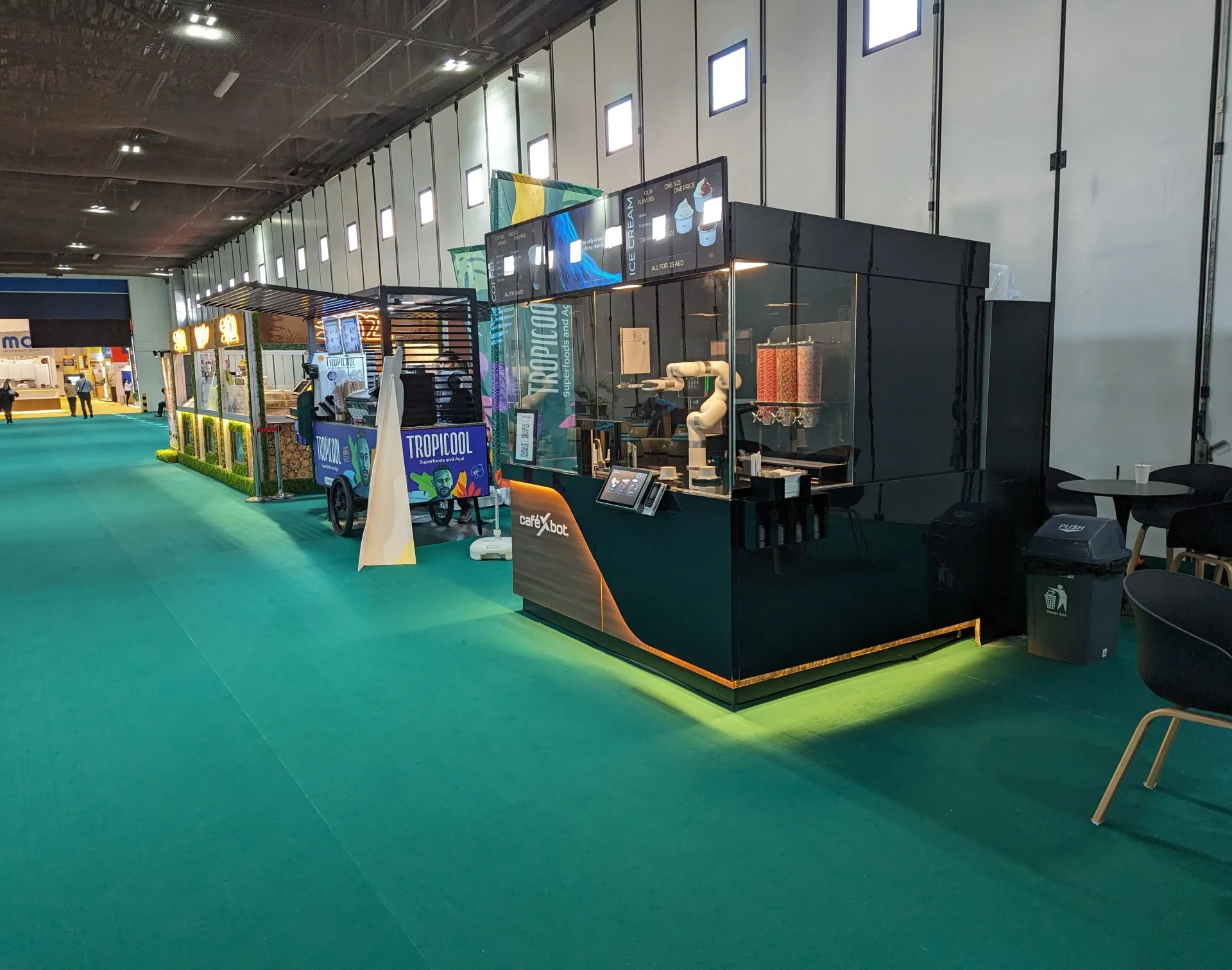
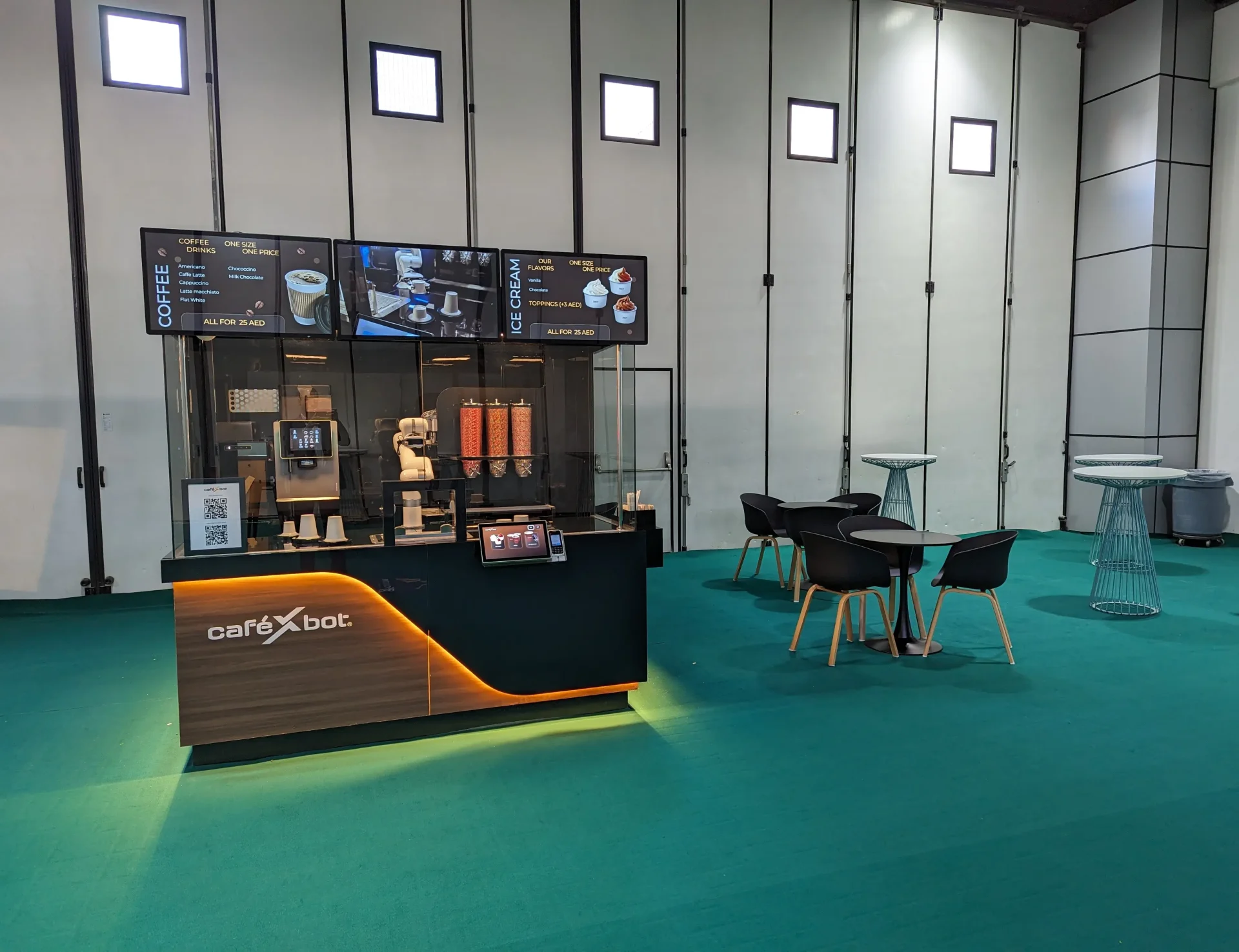
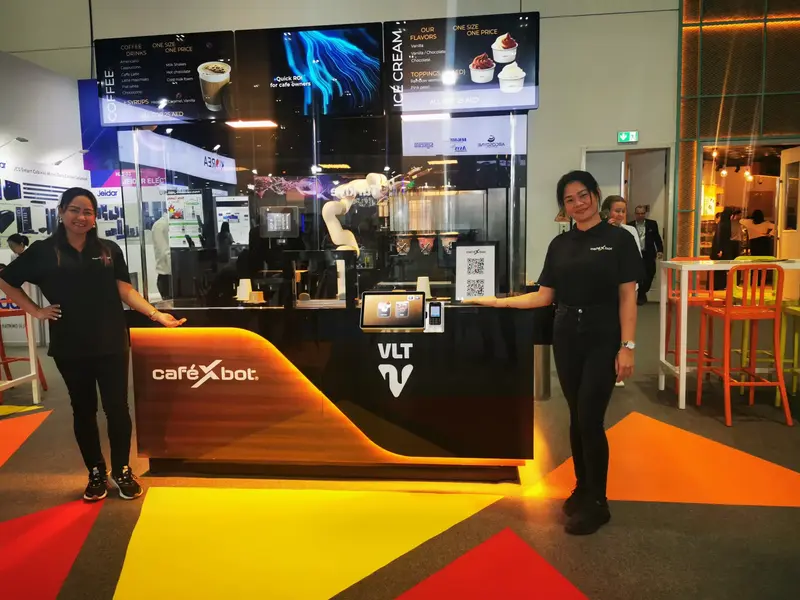
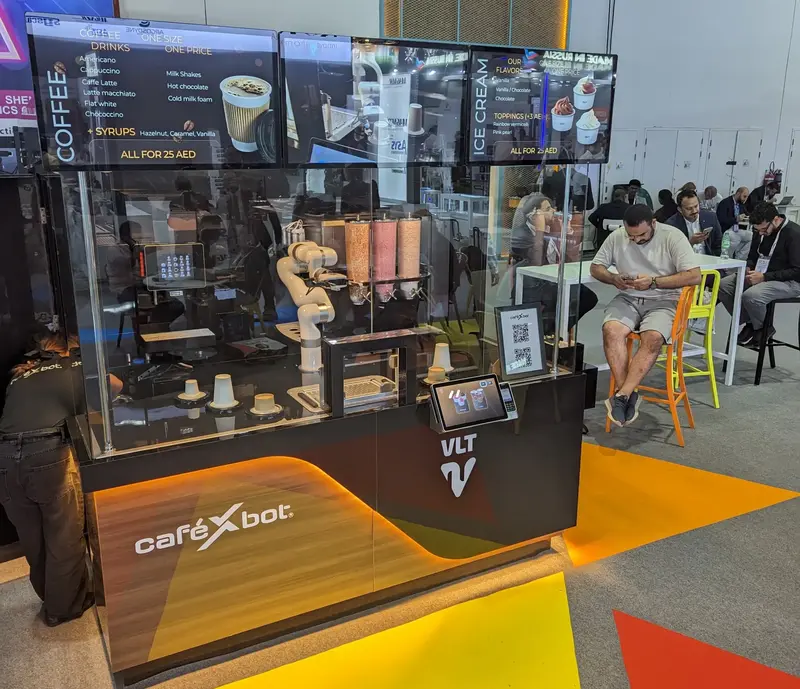
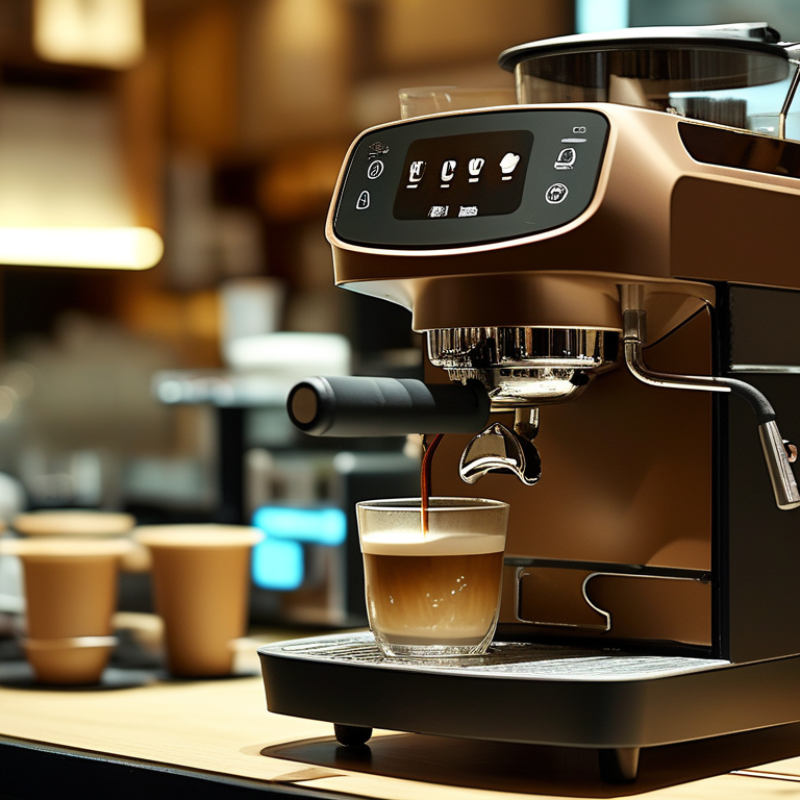
A robotic barista coffee machine combines a grinder, brewer, milk system, and control software. It prepares drinks with limited human handling. The machine usually begins by weighing beans and grinding them for a selected recipe. Water then passes through the coffee bed at controlled pressure and temperature. Some models also dose milk, create foam, and move the cup automatically. The process looks simple, but each step affects flavor.
Sensors monitor bean levels, water temperature, brewing time, and waste compartments. Software adjusts certain settings when results change. For example, a longer extraction may produce a stronger cup. Milk systems require careful temperature control. Overheating can flatten sweetness and damage texture. Cleaning matters every day. Coffee oils, milk residue, and mineral deposits can affect hygiene and performance. Automation is not magic.
When choosing a machine, examine its adjustment range rather than its drink count alone. Check grinder settings, brew temperature control, milk options, cleaning instructions, and service access. A useful test is to taste several drinks made hours apart. Consistency matters. Also inspect the cup path and waste container. Small, awkward parts can make routine maintenance frustrating. I once assumed more software meant better coffee, but that is not always true. Fresh beans, accurate calibration, and reliable cleaning often matter more. Choose documented food-contact materials, clear maintenance records, and safety testing suitable for your location.
How a Robotic Barista Coffee Machine Works
A robotic barista combines automated dosing, grinding, brewing, milk preparation, dispensing, and cleaning. The chart shows representative preparation times for common drinks, helping buyers compare workflow speed and understand how drink complexity affects service time. Actual performance varies with recipe settings, cup size, and machine configuration.
Which Coffee Drinks and Brewing Features You Need
How to Choose a Robotic Barista Coffee Machine?
The right robotic barista machine should match your daily drinks, not its longest feature list. If you usually drink espresso, prioritize stable extraction, adjustable grind size, dose control, and programmable volume. A clear crema matters, but it does not prove excellent coffee. Fresh beans, water quality, and regular cleaning often matter more.
Milk drinks need different equipment. For cappuccino and latte, look for automatic milk frothing with adjustable foam levels. A separate milk container is convenient, but it can collect residue quickly. Removable parts and easy rinsing are essential. For flat whites, fine foam and controlled milk temperature create a smoother texture. If several people share the machine, saved drink profiles can reduce morning arguments. Small detail. Surprisingly useful.
Consider drink variety carefully. Americano, long black, hot water, iced coffee, and decaffeinated options may require separate settings or manual adjustments. A dual-bean compartment sounds practical, yet switching beans can leave older grounds inside. I once valued the number of drink presets too highly. Some produced nearly identical cups. Testing the grinder, milk system, and cleaning routine is more informative than reading a menu screen. Ask whether the machine records extraction errors, signals low water, and allows temperature changes. These controls support consistent results, although they cannot replace fresh beans or careful maintenance.
How to Compare Automation, Customization, and Ease of Use
How to Choose a Robotic Barista Coffee Machine?
Choosing a robotic barista coffee machine starts with the daily workflow, not flashy features. Watch how orders move from payment to pickup. A strong system should grind, brew, steam, and serve with minimal staff intervention. It should also recover smoothly after a jam or empty ingredient container. That matters. Ask for performance data across busy periods, not only a quiet showroom demonstration.
Customization affects both taste and customer satisfaction. Check whether users can adjust dose, grind size, water volume, milk texture, and serving temperature. A café serving light and dark roasts may need different extraction settings. Seasonal drinks also require flexible recipes. However, unlimited options can confuse employees. A clear interface with saved profiles is usually more practical. Small details matter, such as readable prompts and quick recipe changes.
Ease of use includes cleaning, refilling, training, and troubleshooting. Inspect the drip tray, milk lines, and waste container yourself. Can a new employee understand the maintenance steps after one demonstration? Look for cleaning reminders, documented procedures, safety safeguards, and responsive technical support. Independent testing records can strengthen confidence in consistency and temperature control. In practice, the fastest machine is not always the easiest one to manage. I once focused too heavily on automation and underestimated cleaning time. That mistake changed how I compare equipment. A short trial during a real service period reveals more than a polished product presentation.
How to Match the Machine to Your Space, Budget, and Usage Habits
How to Choose a Robotic Barista Coffee Machine?
A robotic barista machine should fit your space before it fits your ambition. Measure the counter, ceiling height, service access, and rear ventilation area. Leave room for water connections and waste containers. A narrow machine may still feel oversized in a crowded café corner. I once underestimated door clearance, and installation became unnecessarily difficult.
Your budget should include more than the purchase price. Add installation, filtration, electricity, cleaning supplies, software fees, and routine servicing. Higher capacity can reduce waiting times, but it may waste money in a quiet office. Estimate drinks per hour during your busiest period. Then compare that number with the machine’s realistic output, not its advertised maximum. A spreadsheet helps, but it cannot predict every busy morning.
Tips: Match the machine to your daily rhythm. Choose a compact model for occasional use and limited counter space. Select larger ingredient storage for hotels, offices, or transport hubs. Check the noise level near seating areas. Confirm that staff can refill ingredients and clean key parts without special tools. Test the cup sizes, milk options, and payment process before buying. If possible, watch a live demonstration. Small delays become frustrating when repeated dozens of times. Be honest about your habits, too. A machine needing frequent attention may not suit a team that rarely checks equipment.