Top Tips for Effective Forklift Collision Detection System
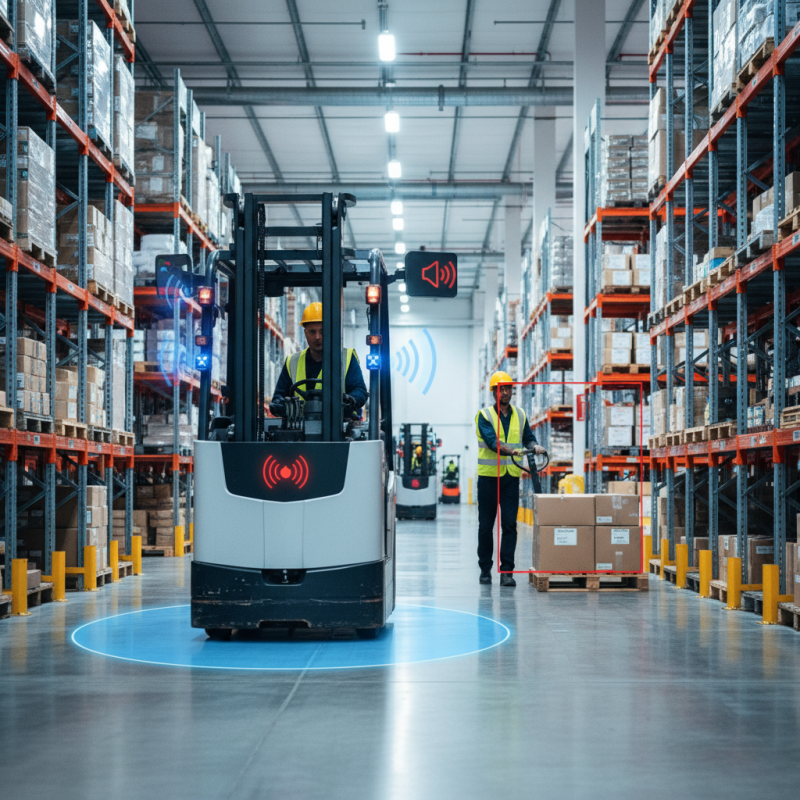
In modern warehouses, safety remains a top priority. A Forklift Collision Detection System is a crucial factor in preventing accidents. These systems use sensors to detect nearby obstacles and alert operators. By enhancing awareness, they reduce the risk of collisions.
Implementing a Forklift Collision Detection System can lead to safer work environments. However, not all systems function equally well. Some may fail to detect certain objects or produce false alerts. It is essential to evaluate different technologies to find the best fit for your operations.
Regular maintenance and updates are necessary. Neglecting a system can lead to inaccuracies over time. Training staff on effective use is equally important. Even the best technology can’t replace attentive operators. With careful implementation and monitoring, a Forklift Collision Detection System can significantly lower accident rates in busy workspaces.
Understanding Forklift Collision Detection Systems
Forklift collision detection systems are crucial in enhancing safety in industrial environments. A recent industry report indicated that around 70% of forklift accidents are due to human error. This makes detecting potential collisions essential. These systems utilize sensors and cameras to monitor the area around the forklift. They provide real-time alerts to operators, helping them avoid dangerous situations.
Many companies still underestimate the importance of these systems. While some invest in basic solutions, they may miss valuable features. Advanced models can analyze traffic patterns and detect obstacles with high precision. According to a safety report by the Occupational Safety and Health Administration (OSHA), companies that implement effective collision detection can reduce accidents by up to 50%. That’s a significant improvement.
However, it's not all about the technology. Training operators to understand and trust these systems is equally important. A well-designed system may fail if workers ignore its alerts. Regular training can bridge this gap. Companies should evaluate their current systems and seek opportunities for improvement. Even minor adjustments could lead to safer working environments.
Key Technologies Used in Collision Detection
Effective forklift collision detection systems are essential in ensuring workplace safety. Key technologies play a vital role in these systems. Proximity sensors, for example, help detect nearby obstacles. According to industry reports, implementing these sensors can reduce collision-related incidents by up to 30%.
Another key technology is GPS-based tracking. This method provides real-time location data. It can alert operators when forklifts enter restricted zones. Industry estimates suggest that using GPS technology can enhance safety compliance by 25%.
When choosing a collision detection system, prioritize easy integration with existing equipment. Operators should also receive regular training on system functionality. Continuous evaluation of system effectiveness is crucial, too. Sometimes, flaws go unnoticed if monitoring remains static. Updating technology and techniques regularly can help address these gaps.
Best Practices for Implementing Detection Systems
Implementing an effective forklift collision detection system requires careful planning. One vital practice is to assess the workspace carefully. Identify high-traffic areas where collisions are most likely. Measure key dimensions and consider the types of vehicles in use. This information will help pinpoint where detection systems are necessary.
Training employees is essential. Workers need to understand how the system operates. If they do not, the system's effectiveness decreases. Frequent refresher courses can enhance retention of information. Moreover, gather feedback from operators. This will reveal any weaknesses in the system or areas that need improvement.
Regular maintenance should not be overlooked. Detection systems can fail if neglected. Schedule routine checks to ensure functionality. Creating a maintenance log can help track performance issues. It may uncover patterns or recurring failures that require attention. Balancing technology with human oversight creates a safer workplace. Solicit opinions from employees about their experiences and concerns frequently. This can lead to continuous improvements and a more robust detection system.
Common Challenges and Solutions in Collision Detection
Forklift collision detection systems play a crucial role in warehouse safety. Yet, implementing them isn't always straightforward. One challenge is integrating these systems with existing equipment. Systems designed for new forklifts often don’t fit well with older models. This can lead to gaps in safety coverage. Many facilities end up with compatibility issues. Regular assessments of equipment can help identify these challenges early.
Another common hurdle is false alarms. These may annoy operators and cause unnecessary downtime. A system that triggers alarms without real threats can create a negative perception. Workers may ignore warnings, considering them trivial. Fine-tuning sensors and using real-time data analytics can help reduce these false positives. However, this process requires continuous adjustments and employee training.
Additionally, employees might not fully understand how to use these systems. Lack of training leads to poor compliance and inconsistencies. Creating comprehensive training programs can address this issue. Encouraging open feedback from operators can highlight practical concerns not previously considered. This will ultimately enhance the system's overall effectiveness.
Top Tips for Effective Forklift Collision Detection System - Common Challenges and Solutions in Collision Detection
| Challenge | Description | Solution |
| Limited Visibility | Forklift operators often have restricted sightlines, leading to potential collisions. | Implementing advanced sensor systems and mirrors to enhance operator visibility. |
| Inadequate Training | Operators may lack the necessary training, increasing collision risks. | Regular training programs and safety drills to improve operator awareness and skills. |
| Obstructed Pathways | Cluttered aisles can create hidden obstacles for forklifts. | Ensuring regular cleaning and organization of warehouse spaces to maintain clear pathways. |
| Poor Maintenance of Equipment | Faulty equipment can malfunction, leading to accidents. | Implementing a preventive maintenance schedule for all forklift equipment. |
| Inconsistent Technologies | Varying technologies can cause interoperability issues in collision detection systems. | Standardizing technology and integrating compatible systems for better communication. |
Future Trends in Forklift Collision Prevention Technology
Future trends in forklift collision prevention technology are evolving rapidly. According to recent industry reports, accidents involving forklifts account for roughly 25% of warehouse injuries. Such figures highlight the urgency for advanced detection systems. New technologies, including LiDAR and camera-based systems, are leading the charge. They provide real-time data and improve spatial awareness, allowing for quicker responses.
Investments in artificial intelligence (AI) are also gaining traction. AI can analyze patterns and predict potential collision scenarios. For instance, systems that learn operator behaviors improve over time, adapting to unique challenges in various environments. However, these systems are still not foolproof. Many accidents happen due to unpredictable human actions or equipment failures.
Moreover, integrating these technologies with existing warehouse management systems poses challenges. The costs can be significant, and training staff to adapt to new systems is essential. Some facilities struggle with resistance to change, limiting the potential benefits. As these technologies develop, ongoing reflection on human interaction remains crucial. Balancing technology and human judgment will define future success in collision prevention.