What is Energy Management and Why Does It Matter for Buyers?
Energy Management is a crucial aspect of modern business strategy. It refers to the systematic approach to using energy efficiently and sustainably. Effective Energy Management not only minimizes costs but also enhances a company’s reputation. Buyers today prioritize sustainability and ethical practices. Thus, understanding Energy Management is essential for procurement professionals.
Businesses face numerous challenges in energy consumption. Rising costs, regulatory pressures, and environmental concerns complicate the landscape. Many organizations struggle to adopt effective strategies. The gap in knowledge often leads to wasted resources. Buyers must recognize the importance of Energy Management to remain competitive.
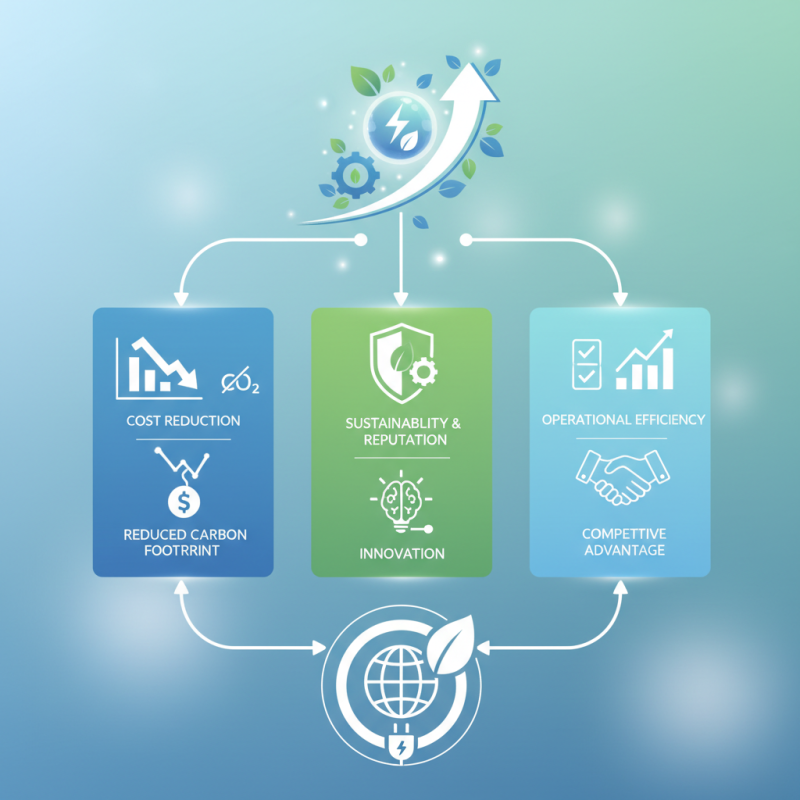
Investing in Energy Management yields significant benefits. It can lower operational costs and reduce carbon footprints. Reliable Energy Management strategies promote accountability within organizations. They also drive innovation and operational efficiency. Buyers who embrace these practices will likely thrive in the evolving market.
Understanding Energy Management: Definition and Key Concepts
Energy management involves optimizing energy use to reduce costs and minimize environmental impact. It is vital for buyers seeking sustainable solutions. According to the International Energy Agency (IEA), effective energy management can reduce energy consumption by up to 20%. This reduction not only lowers expenses but also contributes to corporate sustainability goals.
Key concepts in energy management include energy audits, monitoring, and efficiency improvements. An energy audit assesses current usage and identifies wasteful practices. Monitoring tools track energy consumption patterns and reveal opportunities for savings. The U.S. Department of Energy found that companies implementing energy management strategies saw an average of 15% reduction in energy costs.
However, challenges persist in adopting these practices. Many businesses lack the expertise or resources to implement comprehensive energy management. Additionally, resistance to change can stall progress. Firms must overcome these barriers to realize the full benefits of energy management. Without proactive measures, potential savings and sustainability goals may remain unachieved.
The Importance of Energy Management for Buyers in Today's Market
In today's competitive market, effective energy management is crucial for buyers. According to the U.S. Department of Energy, efficient energy practices can reduce a business's energy consumption by 10-30%. This not only lowers costs but also minimizes environmental impact. As companies worldwide shift toward sustainable practices, buyers must prioritize energy management in their decision-making.
A report from the International Energy Agency highlights that businesses focusing on energy efficiency can significantly improve their market position. Buyers today seek partners that demonstrate commitment to sustainability. This choice impacts their long-term success and aligns with broader environmental goals. However, many businesses still struggle with implementing effective energy strategies.
In the current landscape, energy management isn’t just a trend; it’s a necessity. To remain competitive, buyers must adapt their criteria. Low energy costs could indicate outdated practices. Often, organizations overlook the need for continuous improvement in energy management. Investing in energy-efficient technologies may seem daunting, yet the long-term benefits are undeniable. Buyers should start taking small steps towards enhancing their energy strategies.
Energy Consumption by Sector in 2022
Understanding energy consumption across different sectors is essential for buyers to make informed decisions and optimize their energy management strategies. As energy costs continue to rise, being aware of where and how energy is consumed can lead to smarter purchasing choices.
How Effective Energy Management Can Drive Cost Savings
Effective energy management can significantly drive cost savings for businesses. By carefully monitoring and optimizing energy usage, companies can identify areas where waste occurs. This means reducing unnecessary consumption, which can lead to lower utility bills. For example, implementing smart meters can provide real-time data. This allows quick adjustments to energy use patterns, enhancing efficiency.
A proactive approach also involves staff training. Employees well-versed in energy-saving practices create a culture of awareness. Small changes, like switching off unused equipment, can accumulate substantial savings. Companies might overlook these minor adjustments, thinking they are insignificant. However, over time, such habits yield considerable financial benefits.
Moreover, energy-efficient practices align with sustainability goals. Companies that embrace this often attract environmentally conscious buyers. Yet, numerous organizations struggle with outdated systems or lack of commitment. Despite knowing the potential for savings, change can be daunting. Overcoming resistance requires persistence, but the cost-saving rewards are undeniable.
Strategies for Implementing Energy Management Practices
Energy management practices are vital for businesses aiming to reduce costs and improve sustainability. Implementing these practices requires a structured approach. Start by assessing current energy usage. This step reveals inefficiencies and opportunities for savings. Data collection tools can track energy consumption patterns. Consider using energy audits to gain a clearer picture of energy expenditures.
Once you have clear data, set actionable goals. Goals should be specific, measurable, and realistic. For example, aim to reduce energy consumption by a certain percentage over a year. Engage employees by raising awareness of energy-saving initiatives. They can help identify areas where energy waste occurs. Training sessions can empower them to make changes in daily operations.
Another strategy involves investing in energy-efficient technologies. These can provide long-term savings and improve overall efficiency. However, it’s essential to analyze costs versus benefits. Not every solution works for every business. Flexibility in energy management practices is crucial. Regular evaluations can help refine approaches, adapting resources to changing needs. This reflection helps establish a culture of continuous improvement in energy management.
The Future of Energy Management: Trends and Innovations for Buyers
The future of energy management is evolving rapidly. Innovations are reshaping how buyers approach energy consumption. Smart technology is at the forefront. Energy-efficient solutions, such as smart meters and IoT devices, offer real-time data. These tools empower buyers to monitor usage closely. They can adjust consumption based on current needs.
Sustainability plays a crucial role in this transformation. Increasingly, buyers demand greener options. Renewable energy sources are gaining traction. Solar and wind power are becoming more accessible. This shift not only benefits the environment but also enhances long-term savings. However, navigating these changes can be challenging for many buyers. Understanding emerging trends is essential.
There is a growing emphasis on collaboration as well. Buyers need to communicate with energy providers. This partnership can lead to tailored solutions that reflect individual needs. Nevertheless, balancing cost and sustainability remains tricky. Buyers must continually adapt to new technologies and regulations. The future of energy management holds promise, yet it requires proactive engagement and thoughtful strategies.
What is Energy Management and Why Does It Matter for Buyers? - The Future of Energy Management: Trends and Innovations for Buyers
| Dimension | Description | Current Trends | Future Innovations |
| Energy Efficiency | Strategies to optimize energy use in operations. | Increased adoption of LED lighting and energy-efficient appliances. | Smart buildings with automated energy management systems. |
| Renewable Integration | Utilizing renewable energy sources in energy management. | Growing shares of solar and wind energy in energy portfolios. | Hybrid systems that combine renewable and traditional sources. |
| Data Analytics | Using data to make informed energy management decisions. | Increased use of IoT devices for real-time data collection. | Advanced predictive analytics for energy consumption forecasting. |
| Sustainability Reporting | Communicating energy use and sustainability efforts. | More companies publishing sustainability reports. | Integration of real-time energy data in annual reports. |
| Regulatory Compliance | Adhering to energy laws and regulations. | Stricter regulations on carbon emissions. | Blockchain for tracking compliance and certifications. |