What is a Lamination Machine and How Does It Work?
In the world of printing and finishing, a "Lamination Machine" plays a crucial role. It protects documents and materials through a thin plastic layer. Expert Tom Grant, a consultant in the laminating industry, states, "A lamination machine is not just a tool; it’s essential for durability."
With varying types available, these machines cater to different needs. Users often overlook the machine's versatility. Some machines handle small projects, while others are suited for large-scale production. The choice of a lamination machine requires careful consideration. What works for one project might not suit another.
Moreover, the lamination process itself offers a learning curve. Adjusting temperature and pressure affects results. Not all users grasp this immediately, leading to common mistakes. There’s a balance between protective layering and aesthetics. It's not always easy, and sometimes the final output doesn't meet expectations. Understanding a lamination machine takes time, patience, and practice.
What is a Lamination Machine?
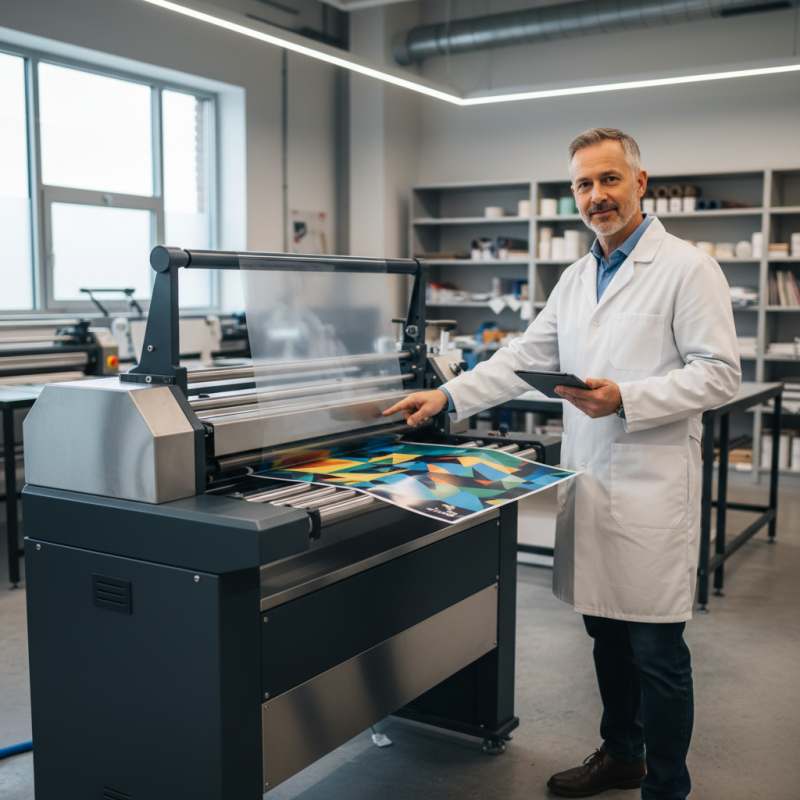
A lamination machine is designed to protect and enhance various documents. It uses heat and pressure to seal plastic film around paper. This process offers a durable, waterproof finish, improving the lifespan of the items. Businesses often use these machines for menus, ID cards, and certificates.
Using a lamination machine is generally straightforward. You feed the document into the machine, adjust settings, and let it work. However, users may struggle with film jams or uneven laminations. It’s important to understand machine maintenance. Regularly cleaning rollers can prevent issues.
Tips: Always test a small piece before running important documents. This minimizes waste and ensures you are satisfied with the outcome. Keep your workspace tidy to avoid accidents. It can be easy to overlook small details, like ensuring the film is correctly aligned. Over time, this practice can save you a lot of frustration.
Key Components of a Lamination Machine
Lamination machines play a vital role in various industries, providing durability and protection to printed materials. Understanding their key components can shed light on their operation. A typical lamination machine consists of several essential parts. These include the feeding system, heating element, rollers, and cooling system. Each component has a unique function that contributes to the overall efficiency of the machine.
The feeding system is crucial. It ensures materials are fed into the machine evenly. This helps prevent wrinkles or bubbles in the finished product. Reports indicate that nearly 30% of laminate defects arise from improper feeding. The heating element activates the adhesive in the lamination film. Temperature control is essential here, as overheating can lead to film degradation.
Rollers play a central role in smoothing out the laminate over the substrate. Effective pressure from the rollers ensures strong adherence. However, uneven pressure can cause issues, leading to a poor finish. Finally, the cooling system hardens the adhesive post-lamination, giving the product its final touch. Industry data also reveals that frequent maintenance of these components can lead to a 20% increase in machine lifespan. This highlights the importance of regular checks for optimal performance.
Lamination Machine Usage Statistics
The Lamination Process Explained Step by Step
The lamination process is a fascinating combination of heat and pressure that protects paper and other materials. It begins with the selection of the item to be laminated. This could be anything from a simple piece of paper to a more complex photo. Once chosen, the item is placed between two layers of plastic film. These films come in various thicknesses, catering to different needs.
As the item enters the lamination machine, it is exposed to heated rollers. These rollers help soften the plastic film while applying pressure. It’s important to ensure the temperature is just right. Too hot, and the item may warp; too cool, and the film won’t adhere properly. Many users often overlook these details during the lamination process, resulting in subpar outcomes.
Once the lamination is complete, the finished product emerges. It should be smooth and glossy, with all edges sealed. If not, reflection on the technique is necessary. Small bubbles or wrinkles may appear if the process was rushed. Adjusting speed or temperature can often solve these issues, but it’s a learning process. Perfecting lamination takes practice, and even the best can have off days.
Types of Lamination Techniques and Their Uses
Lamination techniques come in various forms, each suited for specific applications. One common method is thermal lamination, which uses heat and pressure to bond a plastic film to paper. This technique creates a durable and water-resistant surface. It is often used for important documents, such as ID cards or menus, providing both protection and a professional appearance.
Cold lamination is another option. It utilizes adhesive films that bond without heat. This makes it great for heat-sensitive materials. Teachers often use this method for protecting educational materials. Another technique, vacuum lamination, forces air out from between layers, ensuring a strong bond. It's frequently used in industries like automotive for creating sleek dashboards.
Each lamination technique has its pros and cons. Thermal lamination may provide better durability but might not be suitable for all materials. Cold lamination can sometimes lead to bubbles if not applied correctly. Reflecting on these methods can help individuals choose the best option for their specific needs. Understanding the right technique ensures both effectiveness and quality in laminated products.
Benefits of Using a Lamination Machine in Various Industries
Lamination machines play a crucial role across various industries. Their primary function is to encapsulate materials, making them more durable. For instance, in education, laminated materials like flashcards can withstand daily use and spills. This enhances their lifespan and keeps the information intact.
In the business world, professionals use lamination to protect important documents. Marketing materials, such as brochures and menus, benefit from lamination. They look polished and attract attention. However, there is often a question of sustainability. Many laminating films are not biodegradable.
In healthcare, lamination helps preserve essential information. Patient charts and safety signs remain clean and clear thanks to lamination. Yet, the reliance on plastic raises environmental concerns. Industries must find a balance between benefits and ecological impact. The push for eco-friendly materials continues to grow. This reflection prompts businesses to innovate and seek sustainable solutions.