How to Optimize Your Spray Painting Line Efficiency?
In the fast-paced world of manufacturing, optimizing your Spray Painting Line is crucial for efficiency. Industry expert, John Anderson, once said, "A streamlined painting process can save time and costs." This emphasizes the need for constant improvement.
Every component of the Spray Painting Line matters. From equipment setup to paint mixing, details can make or break efficiency. Often, businesses overlook minor adjustments. These adjustments can lead to significant gains. Small tweaks in speed or technique can greatly enhance output.
However, challenges remain. Some operations still face bottlenecks. Paint overspray and inconsistent finishes are common hurdles. Identifying these pain points is critical. Reflection on current processes may reveal hidden inefficiencies. Embracing feedback can foster a culture of improvement. As the industry evolves, staying stagnant is not an option. The quest for efficiency in your Spray Painting Line must be relentless.
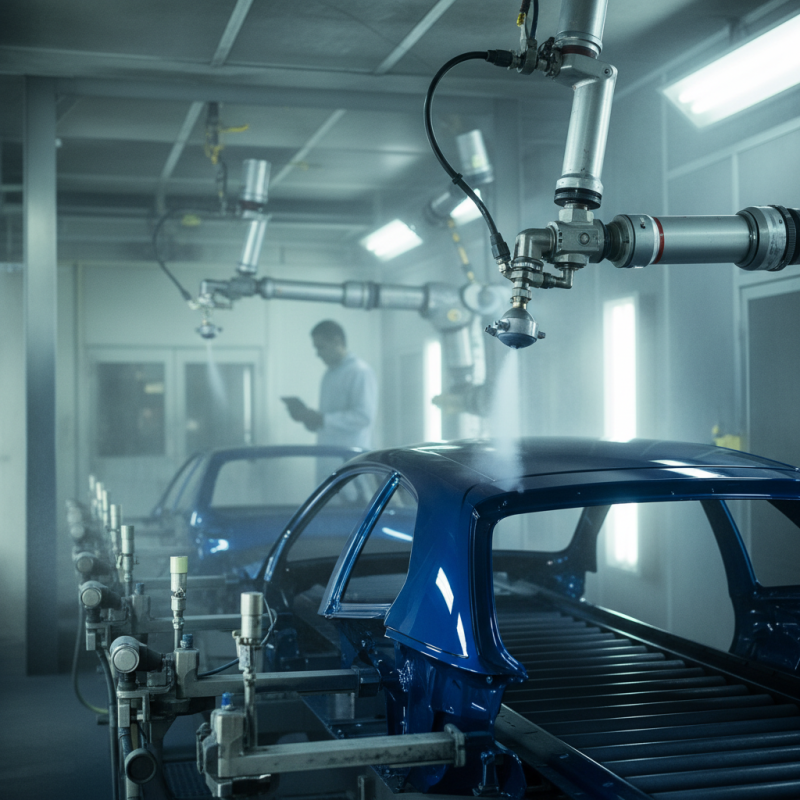
Understanding the Basics of Spray Painting Line Efficiency
Understanding the basics of spray painting line efficiency is essential for any manufacturing setup. A well-designed spray painting line must balance speed and quality. Factors such as the spray pattern, air pressure, and distance to the surface greatly affect uniformity. When creating a perfect finish, small adjustments can lead to major improvements. Observing how paint atomizes and adheres is crucial.
Timing is another key aspect to consider. Often, lines run inefficiently due to idle times or slow cycles. Analyzing the workflow can uncover bottlenecks. Perhaps a specific area needs more attention. Look carefully at the drying time as well. You may find that optimizing this can maximize throughput.
Moreover, training staff can enhance the efficiency of the spray painting process. Skilled operators can adjust settings to reduce waste. However, it’s easy to overlook training in the push for production. Reflecting on these factors can highlight areas for improvement. Efficiency is not just about speed; it’s also about achieving the desired quality consistently.
Identifying Key Factors Affecting Spray Painting Efficiency
In the spray painting industry, efficiency is crucial. Various factors can significantly impact the overall productivity of a spray painting line. For example, the choice of spray gun technology can influence material usage and finish quality. Advanced systems can boost efficiency by up to 30%, according to industry reports.
Material preparation also plays a vital role. Ensuring surfaces are clean and properly primed can reduce rework rates. Reports show that 20% of time is often lost in surface preparation. It’s not merely about the paint application but the entire process leading up to it. Training staff on these practices can make a substantial difference.
Another key factor is the workspace environment. Improper ventilation can lead to longer drying times and reduced efficiency. Interestingly, about 15% of painters report stress due to poor air quality. Addressing environmental factors may be overlooked, but it can lead to improved productivity and worker satisfaction. By identifying these elements and refining them, companies can optimize their spray painting lines effectively.
Implementing Process Improvements for Optimized Workflow
Optimizing workflow in a spray painting line involves several critical process improvements. One key area is streamlining operations to reduce bottlenecks. According to a study from the American Coatings Association, enhancing throughput by just 15% can significantly boost overall efficiency. This can be achieved by identifying and addressing areas where delays commonly occur.
Another aspect is better employee training. Workers skilled in equipment handling can reduce paint waste and rework. The Industry Studies Journal reported that training programs can decrease defect rates by up to 30%. Regular assessments of employee performance can pinpoint gaps in knowledge that lead to inefficiencies. Training should adapt to new technologies, which requires constant revisiting of established procedures.
Finally, investing in technology can make a difference. Automated systems help monitor environmental conditions, which affect paint application. Yet, constant maintenance of this technology is crucial. A breakdown can lead to production halts and elevated costs. Balancing technology use with human oversight is essential for maintaining a streamlined process. Failure to address these areas can result in increased operational costs and lower product quality.
Utilizing Technology and Automation to Enhance Performance
In the spray painting industry, technology and automation play crucial roles in optimizing efficiency. According to recent studies, companies that adopt automation can see a 30% increase in production rates. Automation reduces human errors, often leading to more consistent finishes. However, too much reliance on technology can result in oversights in quality control.
Implementing real-time monitoring systems enhances the paint application process. These systems utilize sensors to analyze thickness and flow rates, ensuring optimal paint usage. A report from industry analysts highlights that factories employing such tech can reduce material waste by up to 20%. Despite these advancements, integrating complex systems may confuse staff without proper training.
Moreover, while robots can execute precise painting tasks, they can't fully replace human oversight. Some paint types require skilled technicians for nuanced applications. Relaying this balance between automation and human expertise is essential. Many companies still struggle to achieve this equilibrium, leading to productivity pitfalls. As technology evolves, the industry must continually adapt to maximize its potential.
Regular Maintenance and Training for Sustained Efficiency
Regular maintenance is crucial for any spray painting line. It ensures equipment operates smoothly and efficiently. A well-maintained system minimizes the risk of breakdowns. This leads to fewer delays and increased productivity. Schedule routine checks to clean nozzles and replace worn parts. This simple step can prevent bigger issues later.
Training your team is equally important. Proper training can significantly enhance the efficiency of a spray painting line. Ensure that operators understand how to use the equipment correctly. They should know the best techniques for various surfaces. Regular training updates keep skills sharp and promote safety. Reflect on past mistakes; perhaps some employees need a refresher course. It's vital to invest time in skilled training for a smoother operation.
These efforts require commitment and resources. Balancing maintenance and training is not always easy. Sometimes, teams may overlook minor issues until they become problems. Regular check-ins and open communication can help prevent this. Encourage feedback from team members about their challenges. It fosters a culture of continuous improvement and enhances overall efficiency.