What is RFID Mobile Terminals and How Do They Work?
In the rapidly evolving world of logistics and inventory management, RFID Mobile Terminals play a crucial role. As industry expert John Smith aptly stated, "RFID Mobile Terminals transform the way we track assets." These devices provide real-time data collection through radio waves, enabling companies to enhance efficiency.
RFID Mobile Terminals streamline operations by reducing manual data entry. They simplify inventory audits and item tracking, providing immediate insights. However, companies often struggle with implementation. Many underestimate the training needed for effective use. There are occasional technical glitches, leading to frustration.
The potential of RFID Mobile Terminals is immense, yet it is not without challenges. Ensuring proper network connectivity remains a hurdle. Additionally, some businesses may not fully utilize their capabilities. As we explore their functions, we must reflect on how to improve adoption and overcome barriers in this promising field.
What is RFID Technology and Its Basic Principles?
RFID (Radio Frequency Identification) technology leverages electromagnetic fields to automatically identify and track tags attached to objects. These tags contain electronically stored information. When an RFID reader emits a radio frequency, it energizes the tag, which responds by transmitting its stored data. The simplicity of this interaction allows for faster and more efficient data collection compared to traditional methods.
According to a report by Grand View Research, the RFID market is projected to reach $42.6 billion by 2027. This growth points to the expanding role of RFID in various sectors, such as retail, logistics, and healthcare. However, the technology isn't perfect. Issues like tag collision and interference can occur, leading to misreads. These challenges highlight the need for continuous innovation in RFID systems.
In practice, implementing RFID involves costs related to tags and readers. Organizations must weigh these expenses against the benefits of improved inventory tracking and operational efficiency. Despite its advantages, not all RFID deployments succeed. Data privacy concerns also linger, warranting careful consideration in any RFID strategy. Balancing technology benefits and challenges remains a critical task for industry leaders.
Overview of Mobile Terminals in RFID Systems
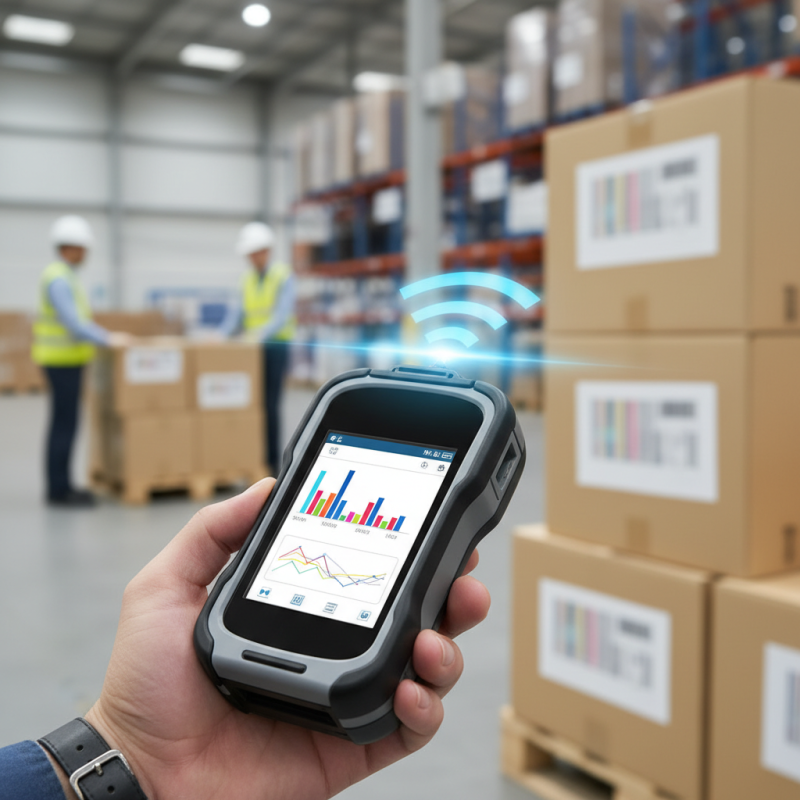
Mobile terminals play a crucial role in RFID systems. They serve as the interface between users and RFID technology. These devices can read and write RFID tags, allowing for real-time data access. Generally, they come equipped with a scanner, display, and input options. Users can easily track items, manage inventories, or even control access.
These devices are portable and often ruggedized for tough environments. Their compact size allows ease of use in warehouses, retail settings, and even outdoor locations. Despite their advantages, some challenges exist. Signal interference can occur in crowded areas. Also, battery life may vary depending on usage patterns. Regular charging or maintenance could be overlooked, causing inconvenience.
Data management is another area needing attention. Real-time data entry can improve efficiency but may lead to errors if not monitored. Workers must be trained to use mobile terminals properly. Mistakes can happen, especially if the technology is new to them. Addressing these issues is essential for optimizing RFID systems.
Key Components of RFID Mobile Terminals
RFID mobile terminals have become crucial in various industries. They enhance inventory management and streamline processes. Understanding the key components of these devices sheds light on their effectiveness.
One essential component is the RFID reader. This device captures data from RFID tags. According to recent industry reports, RFID readers can improve the accuracy of inventory data by up to 99%. This accuracy reduces human error, which is often a significant issue in manual tracking. However, the effectiveness depends on proper training for users. Many companies overlook the need for specialized training, leading to inefficiencies.
Another critical part is the mobile software. This software manages the data collected by the reader. It provides easy access to real-time information, which is vital for decision-making. Yet, integrating such software with existing systems can pose challenges. A study noted that 30% of organizations faced difficulties during integration. This highlights the need for careful planning. While RFID mobile terminals offer great benefits, organizations must address potential weaknesses to maximize their value.
RFID Mobile Terminals Usage Across Industries
How RFID Mobile Terminals Interact with RFID Tags
RFID mobile terminals are crucial in inventory management and supply chain operations. These devices interact with RFID tags, allowing real-time data collection and processing. The recent global market report states that the RFID market is expected to reach $16 billion by 2026, indicating rapid adoption. Users scan RFID tags attached to products, triggering data exchange instantly.
When an RFID tag is scanned, it sends a unique identifier to the terminal. This unique ID contains vital information about the item, such as its location and status. The reading distance can vary. Some systems work within a few inches, while others operate up to several meters. Still, factors like environmental interference sometimes disrupt communication. Managing these challenges can be tricky and requires careful planning.
Moreover, the efficiency of RFID processes relies heavily on the software managing data from these terminals. Outdated systems or poor integration can cause delays. According to a 2022 logistics report, 30% of companies reported inefficiencies due to software issues. It's essential to address these shortcomings to unlock full potential. Constant updates and training can enhance performance and responsiveness in real-time inventory control.
Applications of RFID Mobile Terminals in Various Industries
RFID mobile terminals are quickly becoming essential tools across various industries. These devices use radio frequency identification technology to track items in real-time. For instance, in warehousing, these handheld devices scan pallets and packages, ensuring accurate inventory management. Employees can quickly locate stock, reducing retrieval times and improving efficiency.
In the healthcare sector, RFID mobile terminals streamline patient tracking. Nurses use them to identify patients and their medication. This reduces errors and ensures timely treatment. However, challenges remain. Some healthcare facilities struggle with integrating these devices into existing systems. Training staff to use the technology effectively can also be an obstacle.
Retailers benefit from RFID mobile terminals as well. They help monitor stock levels on the sales floor. When items are sold, staff can update inventory instantly. Yet, issues arise with inventory accuracy. Frequent stock changes can lead to discrepancies if not managed properly. Adopting RFID technology presents clear advantages, but it requires careful implementation and ongoing evaluation.
What is RFID Mobile Terminals and How Do They Work? - Applications of RFID Mobile Terminals in Various Industries
| Industry | Application | Benefits |
| Retail | Inventory Management | Real-time stock tracking and reduced shrinkage. |
| Healthcare | Patient Tracking | Improved patient safety and efficient resource management. |
| Logistics | Asset Tracking | Enhanced visibility and reduced operational costs. |
| Manufacturing | Supply Chain Management | Streamlined operations and decreased lead times. |
| Aerospace | Parts Identification | Increased accuracy and safety compliance. |
| Food Industry | Quality Control | Enhanced traceability and compliance with safety standards. |