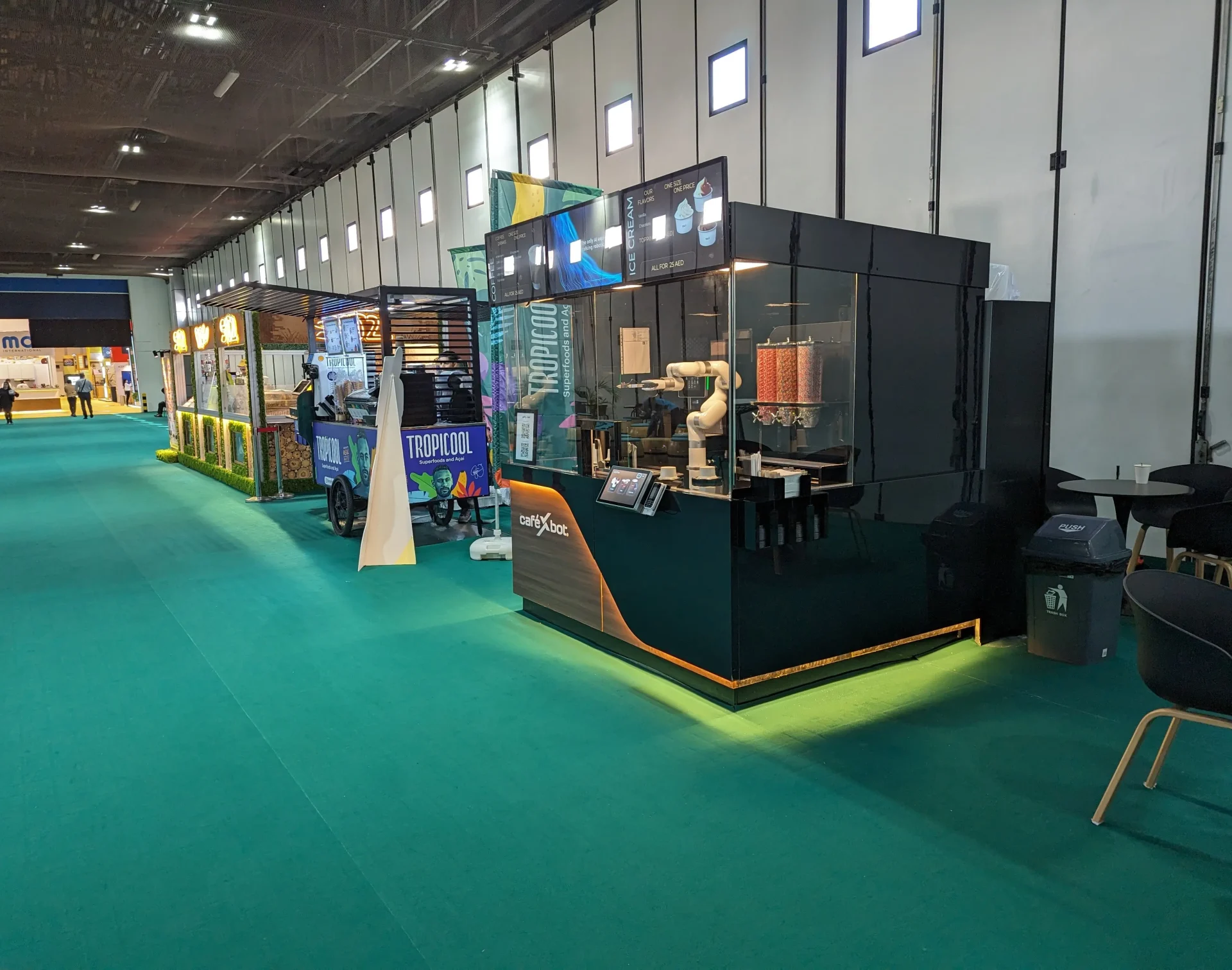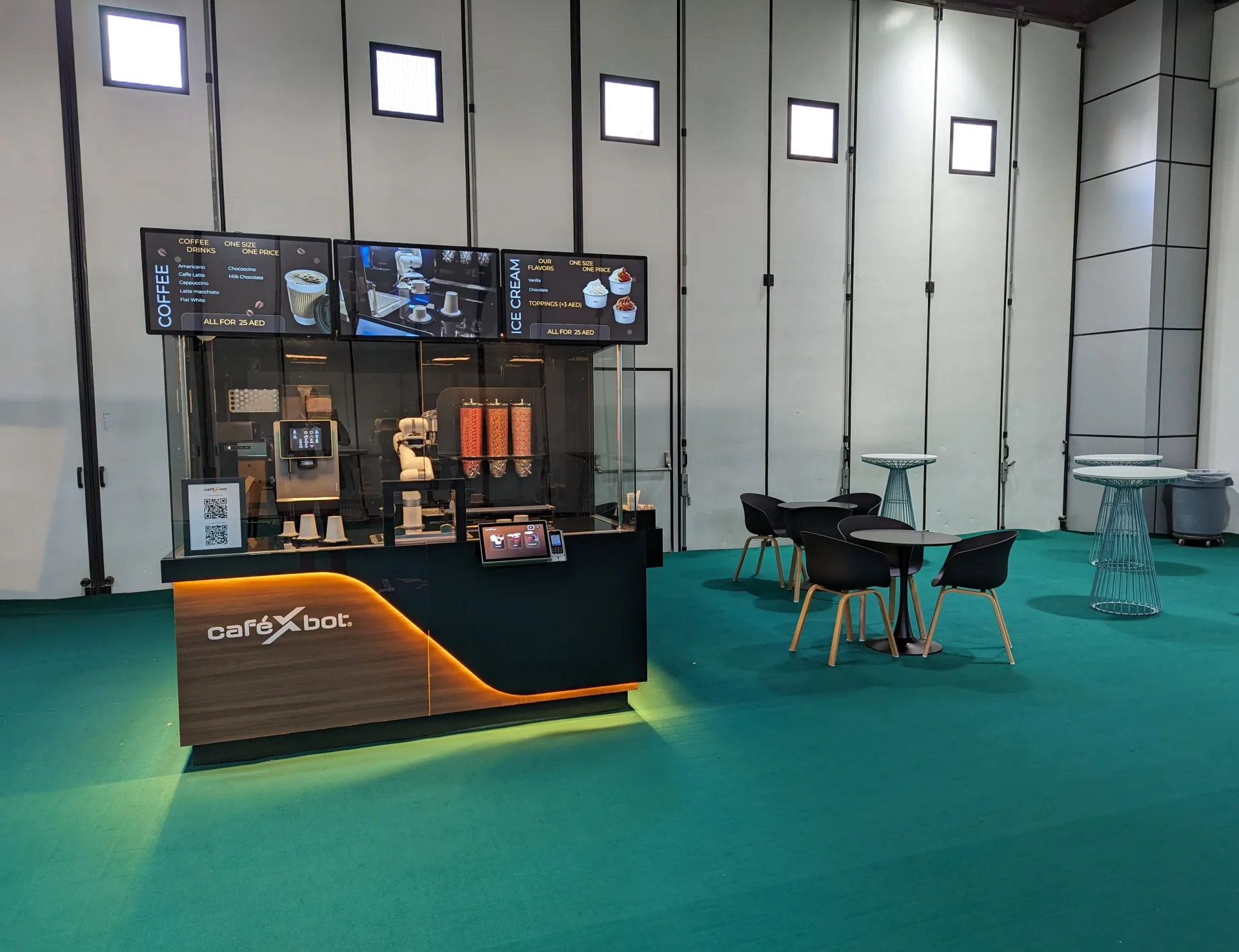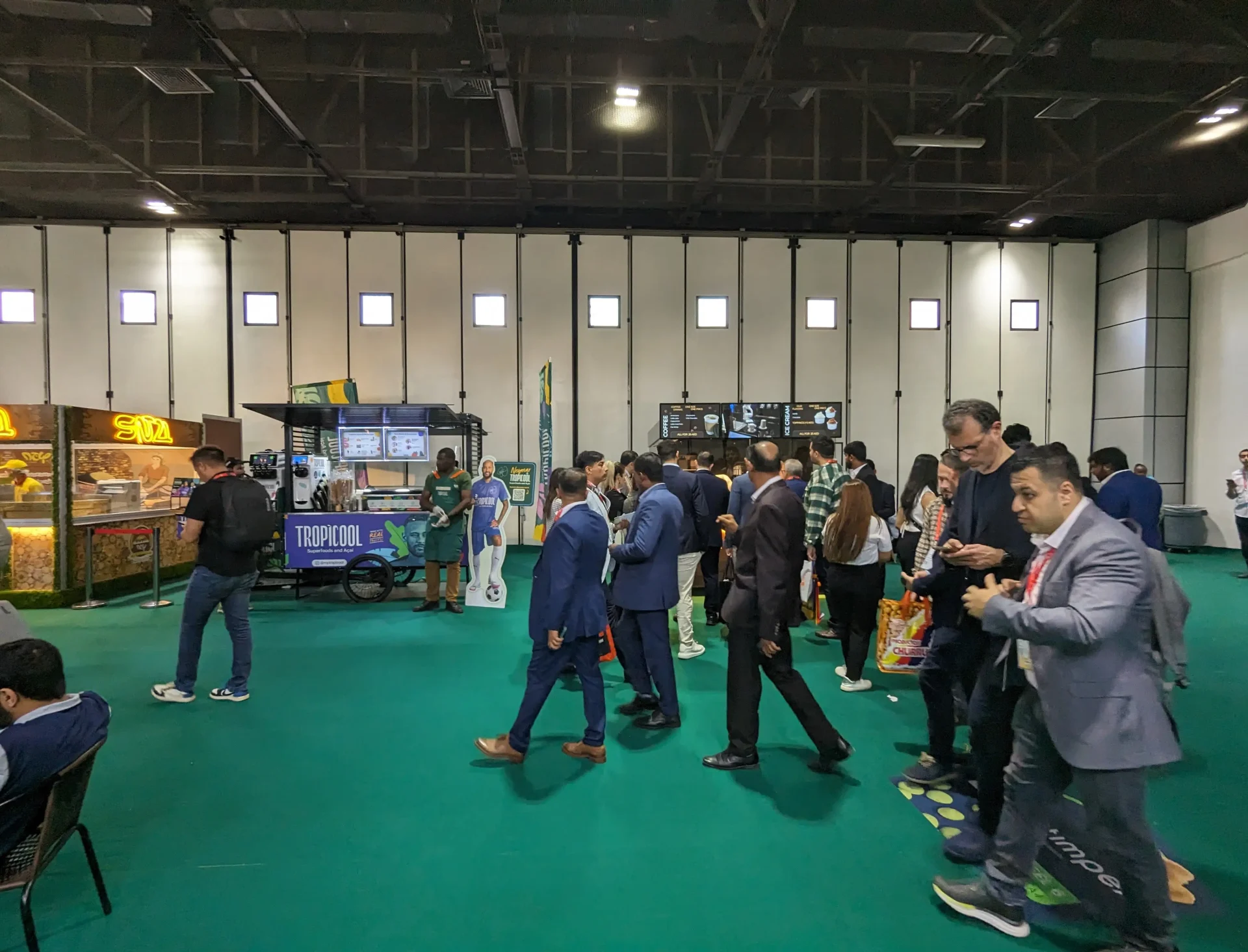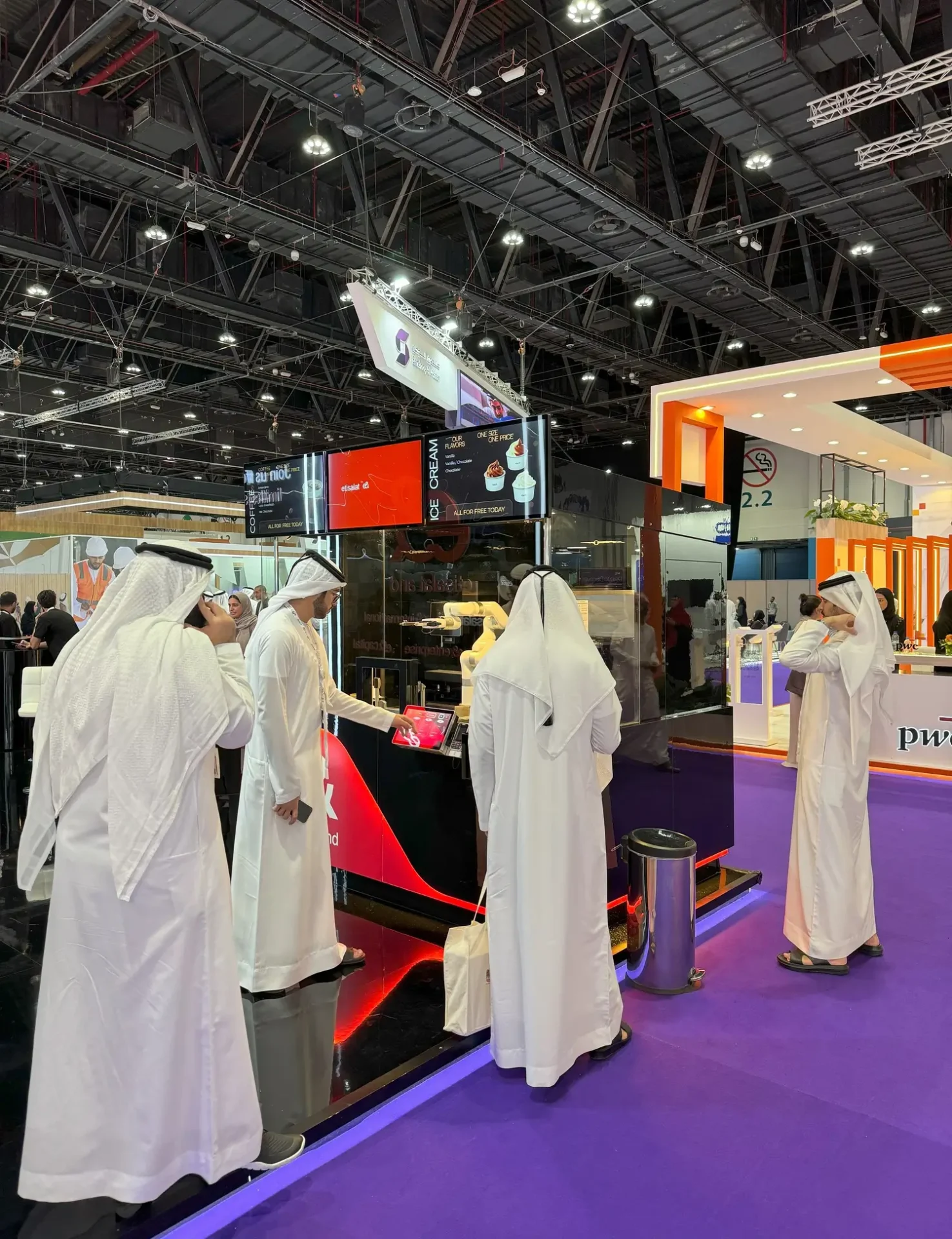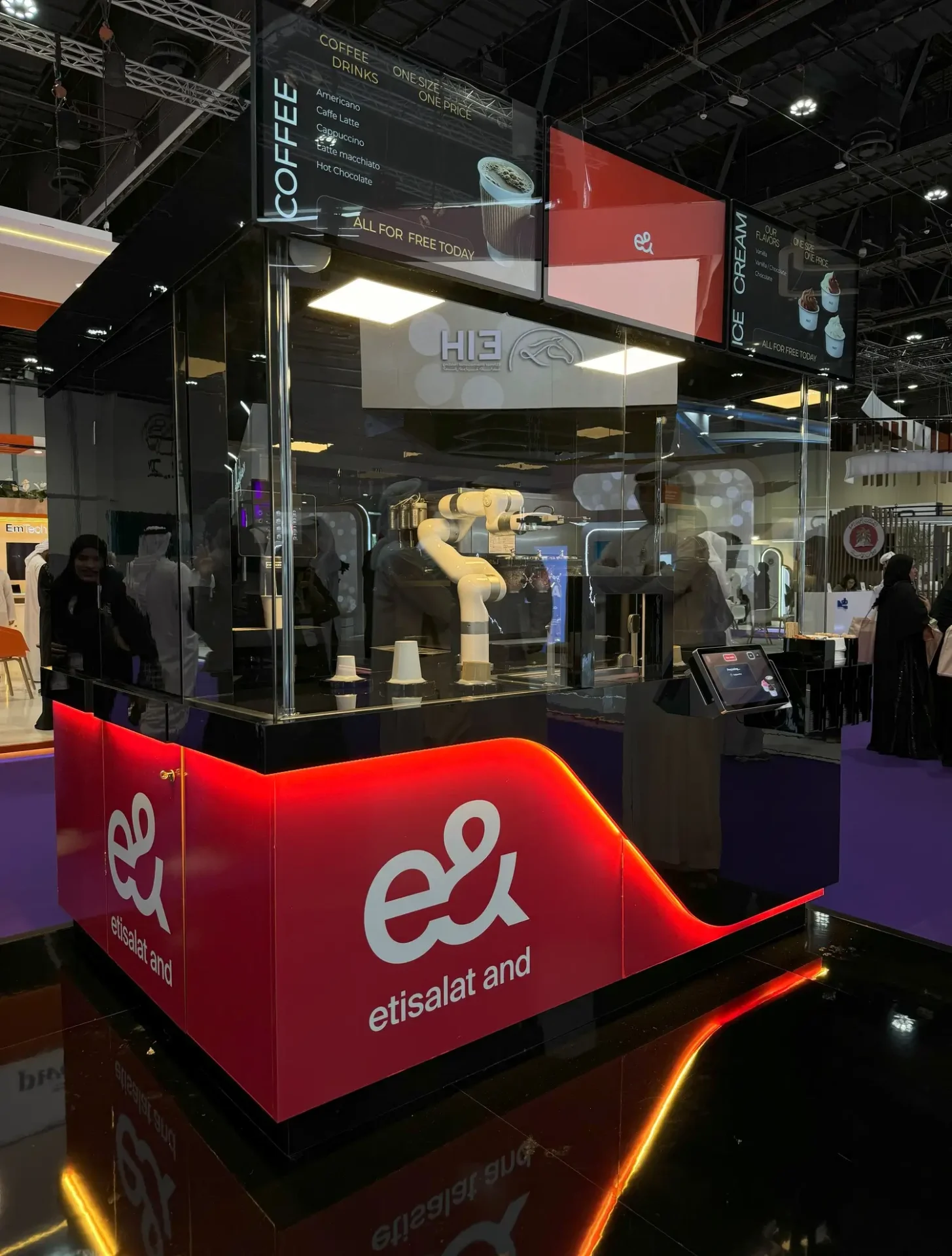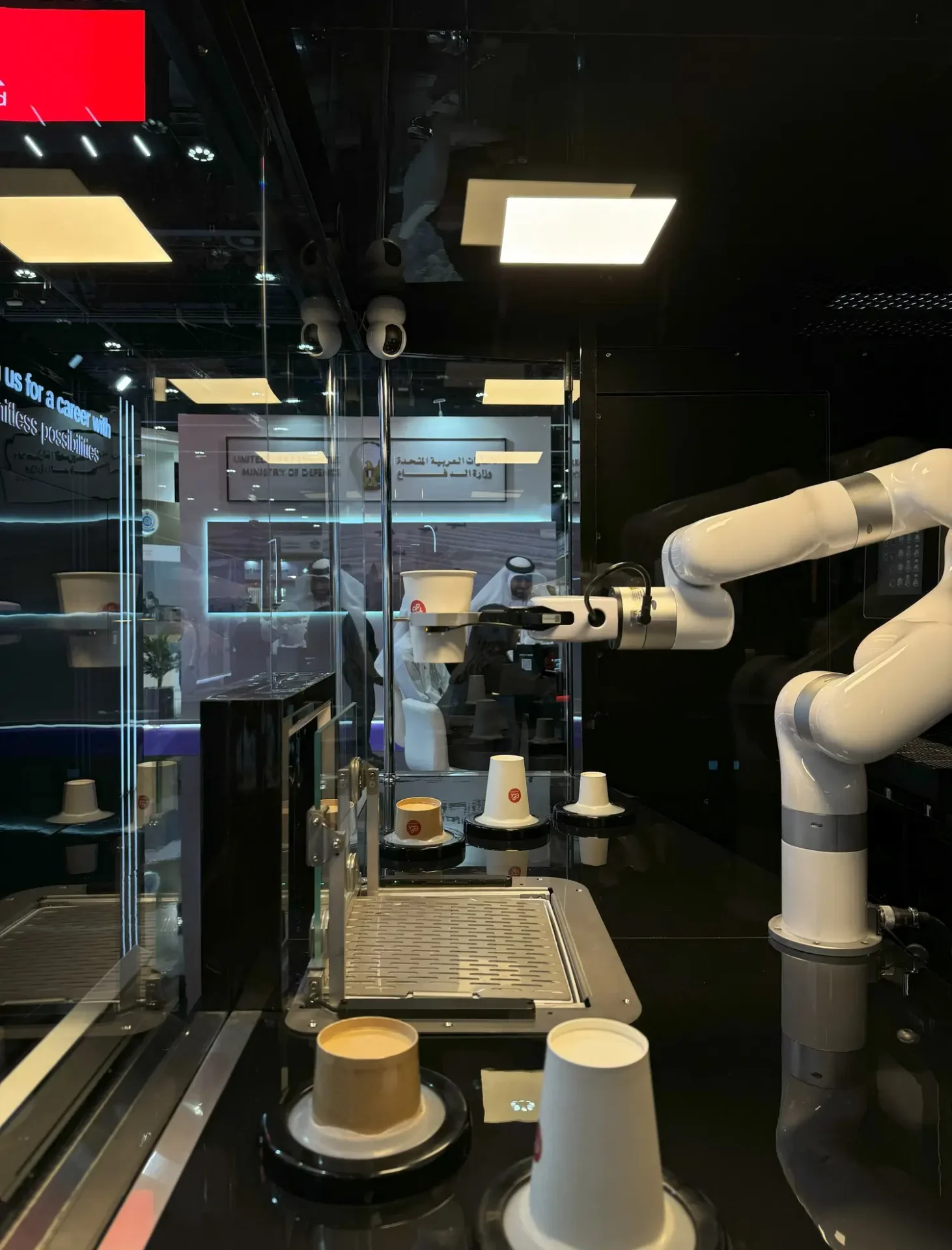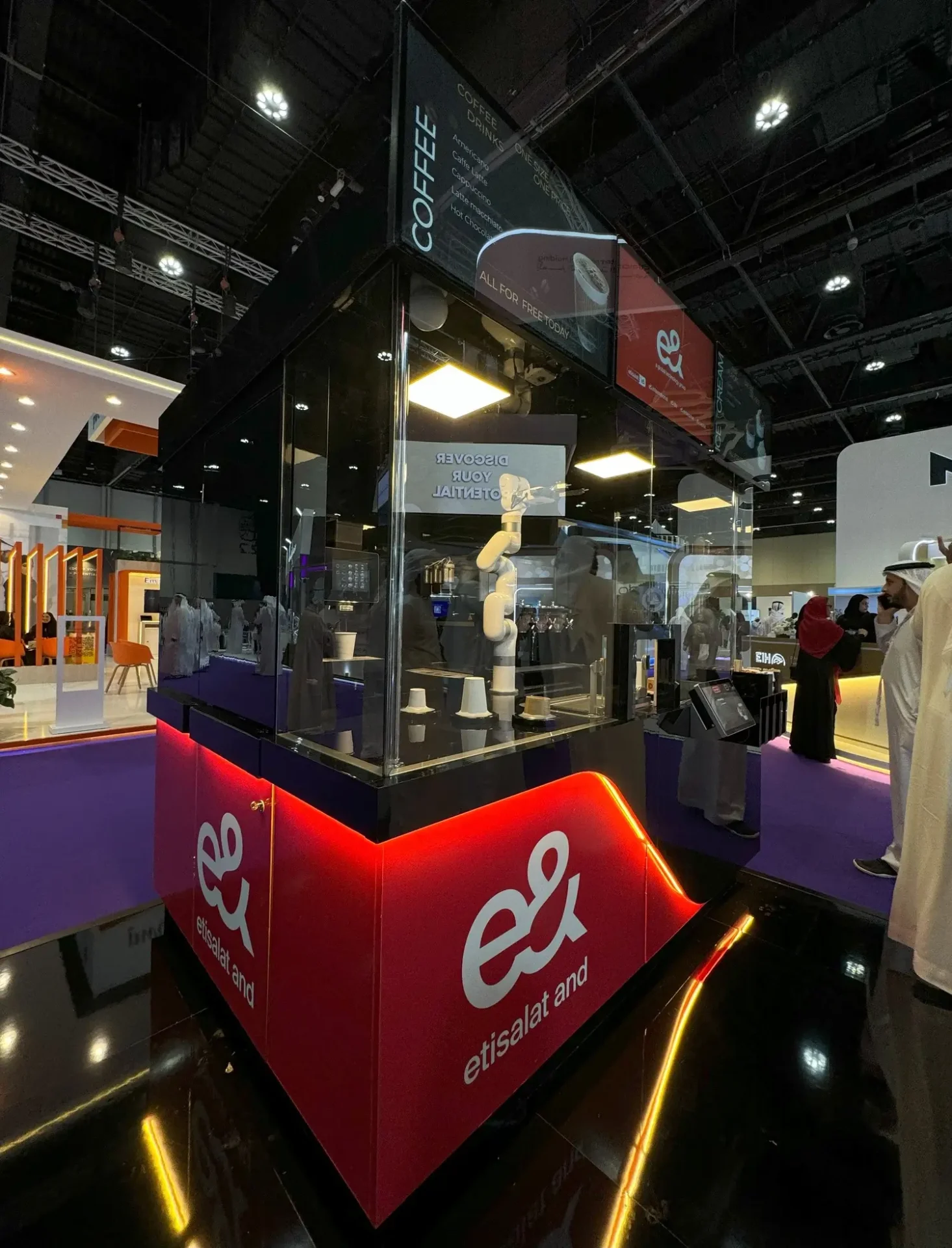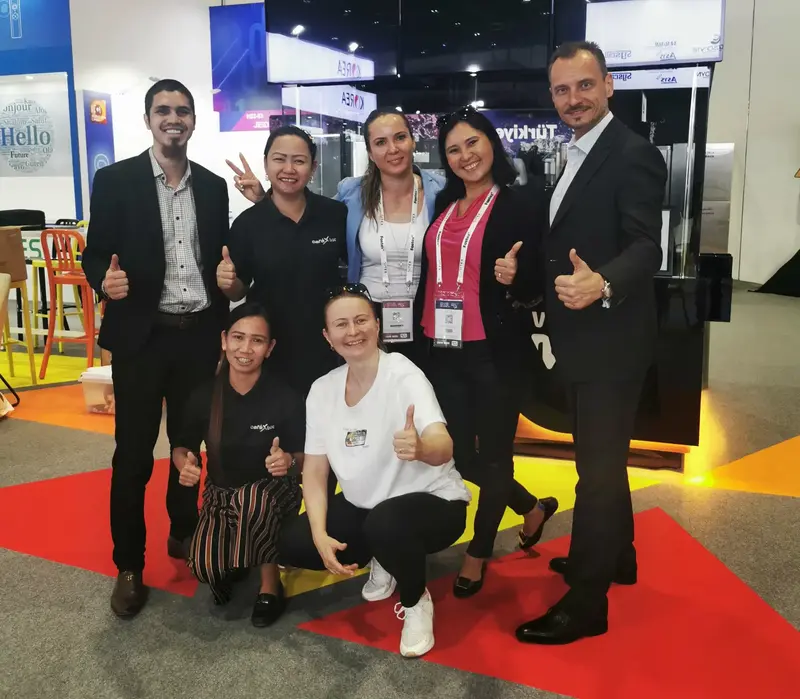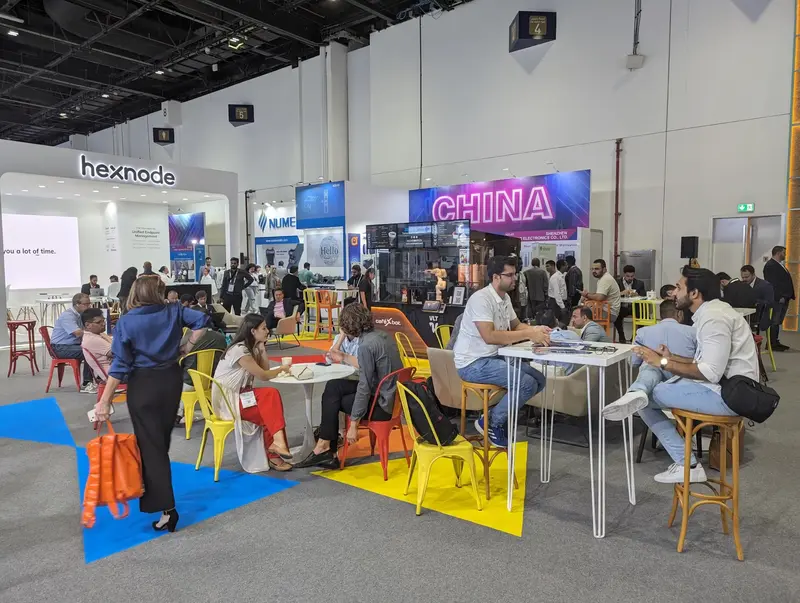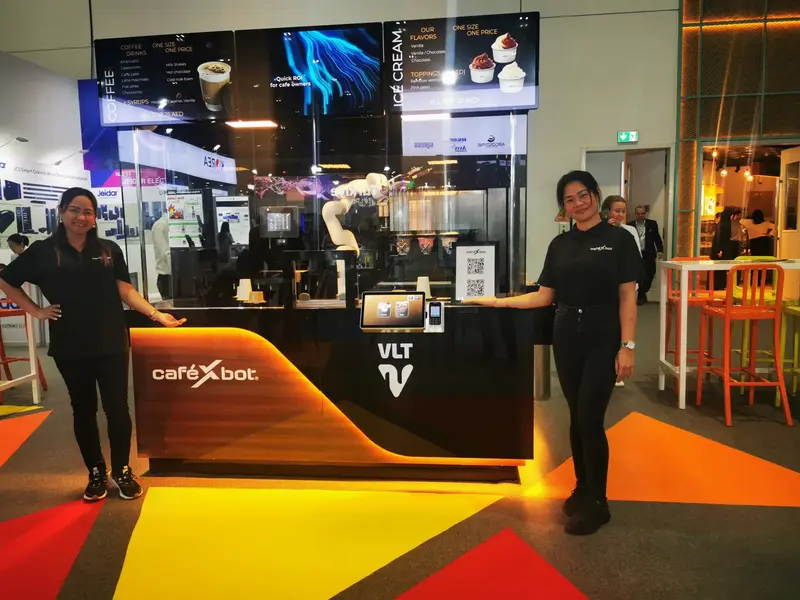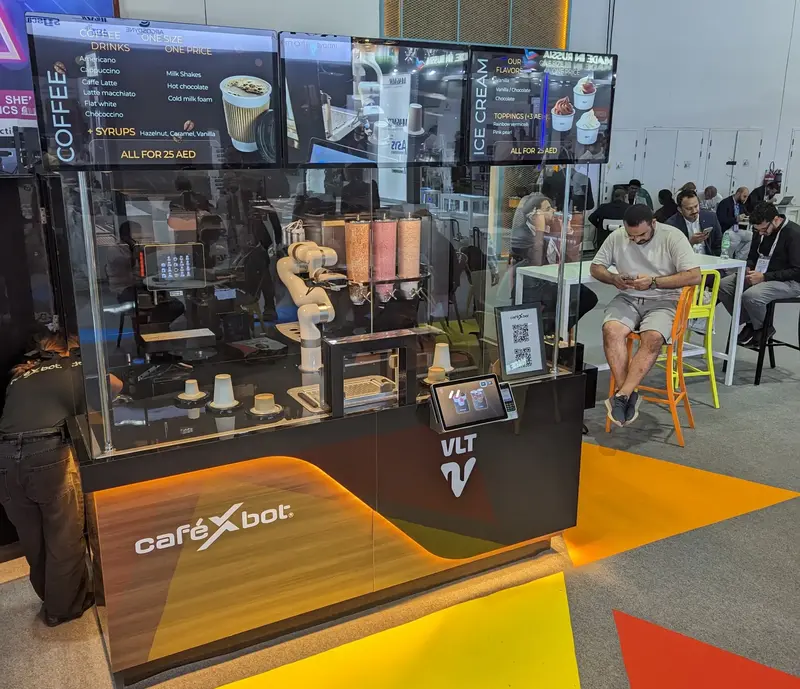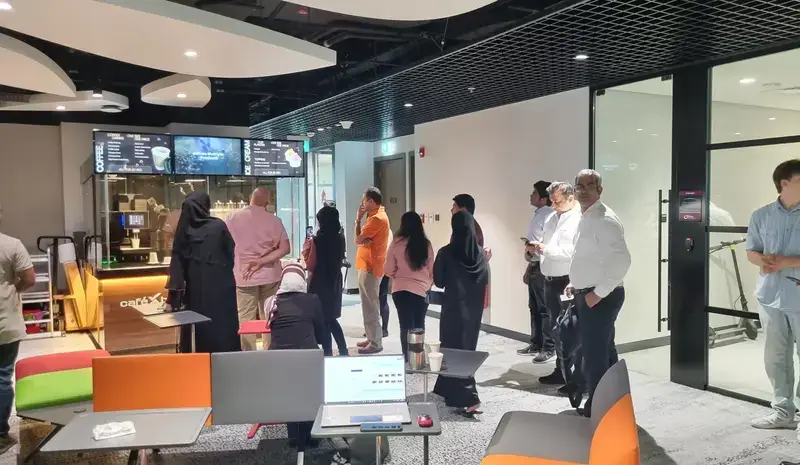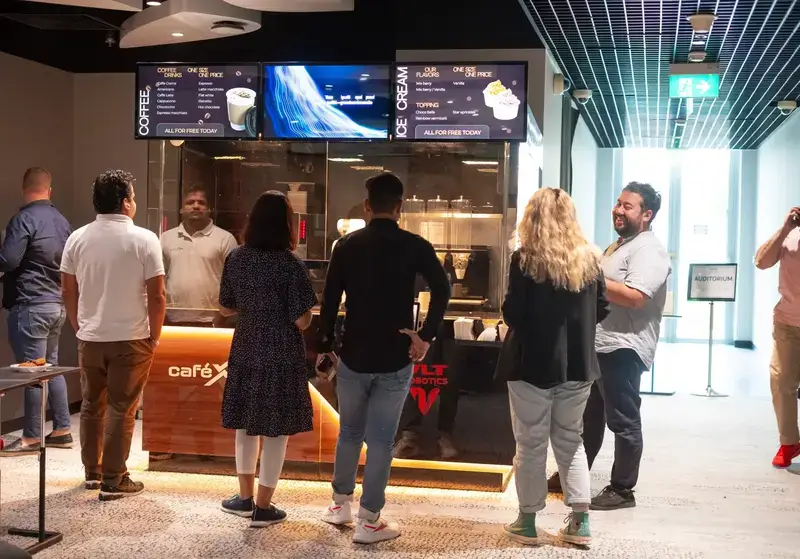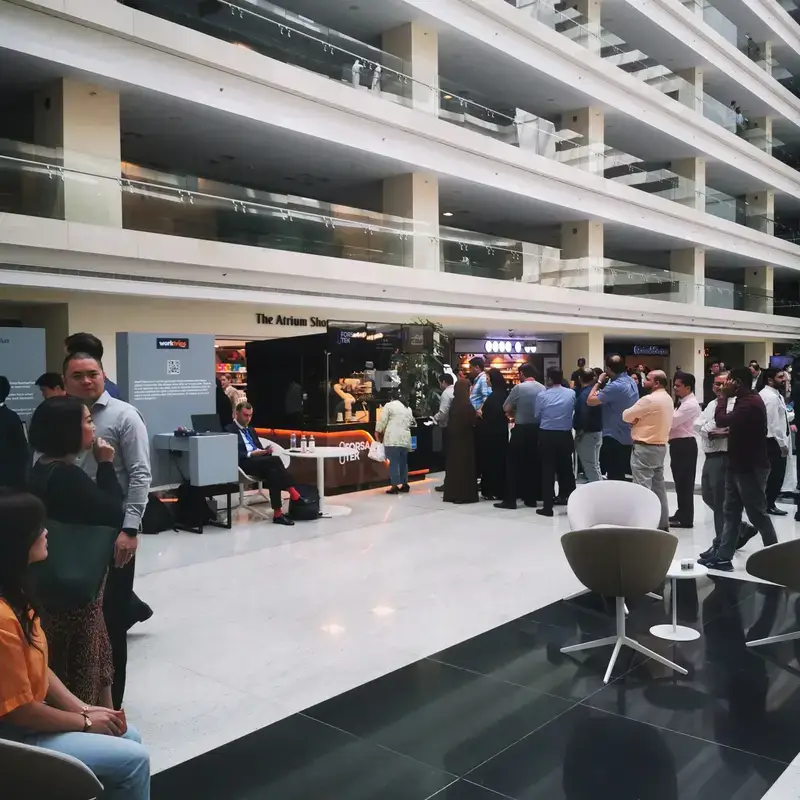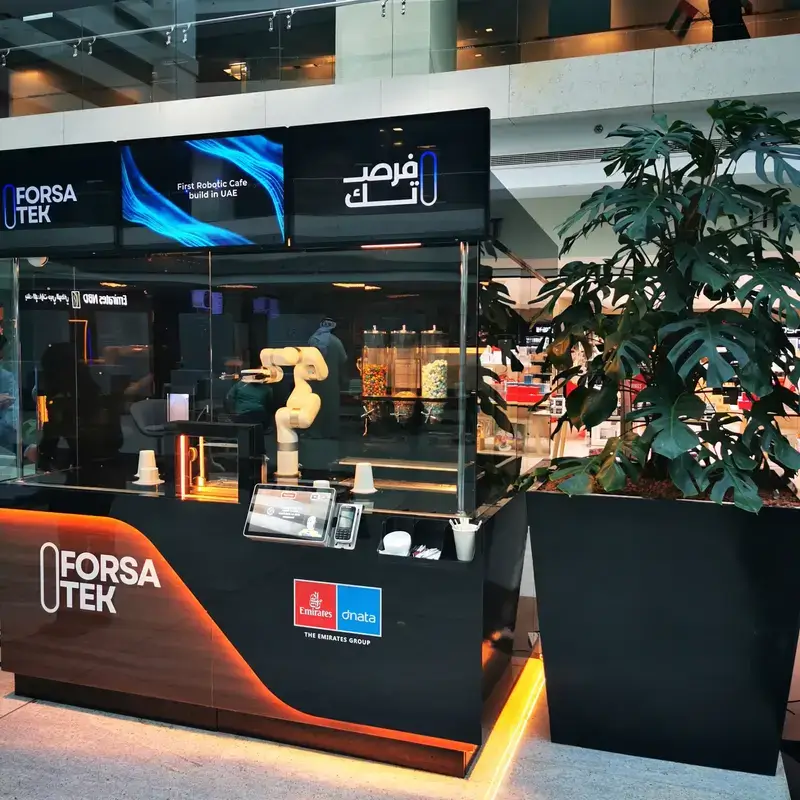
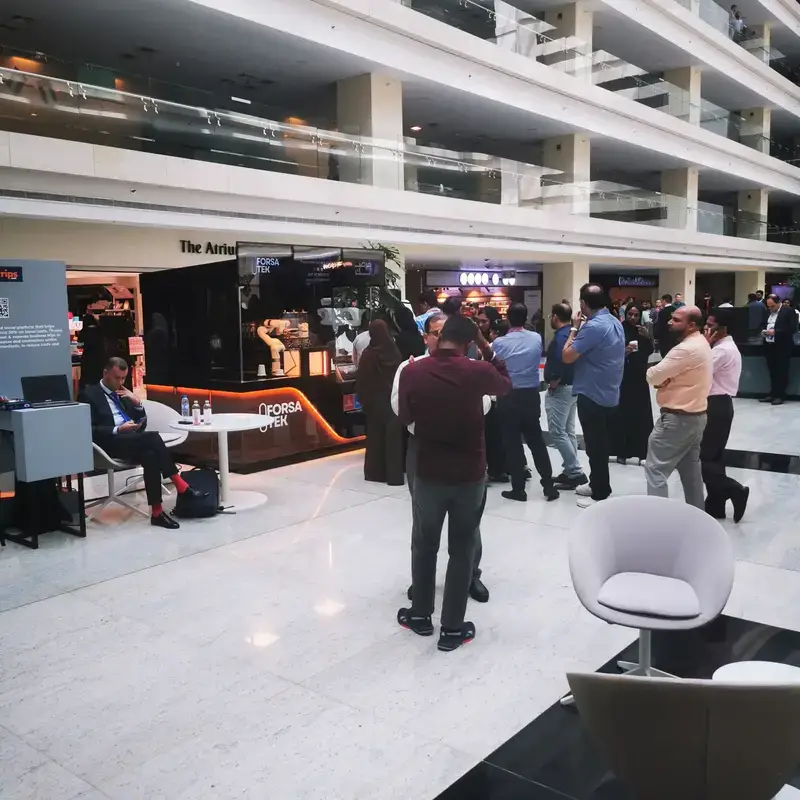
forsa tek dubai crowded xbot cafe

7 Tips for Choosing a Coffee Robot Arm?

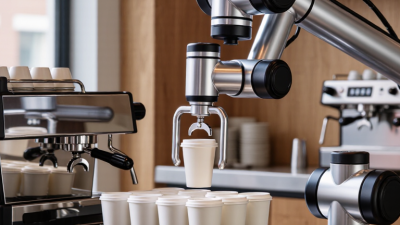
Choosing a Coffee Robot Arm is not simply a matter of selecting the fastest machine. It is a practical decision involving drink quality, workspace design, maintenance, safety, and customer expectations. A robot may pour a precise espresso, but it still needs reliable sensors, stable software, and trained staff nearby. Small details matter. Consider the arm’s reach, payload, movement speed, and compatibility with your espresso machine, grinder, ice maker, and payment system. A compact café may need a quieter model with a smaller footprint, while a busy service counter may value speed and continuous operation. The right choice depends on real workflow conditions, not impressive demonstrations alone.

This guide presents seven useful tips for evaluating a Coffee Robot Arm before purchase. It examines beverage consistency, installation requirements, cleaning access, programming flexibility, supplier support, operating costs, and workplace safety. These points reflect practical lessons from automation projects, where performance often changes after installation. A machine that performs well in a showroom may struggle beside steam, heat, limited counter space, or frequent menu changes. That possibility deserves attention. Buyers should request documented specifications, service procedures, warranty terms, and a realistic trial using their own cups and recipes. No system is perfect. Honest testing may reveal slower movements, awkward cleaning steps, or staff training needs. Those findings are valuable because dependable coffee automation comes from informed decisions, careful supervision, and continuous improvement.
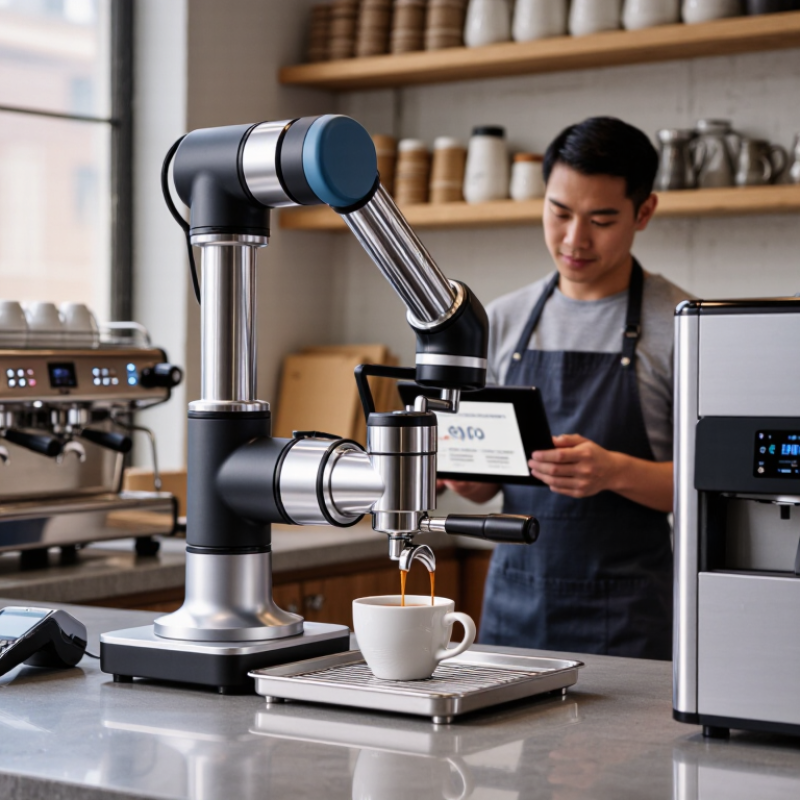
7 Tips for Choosing a Coffee Robot Arm?
Define Output Targets: Cups per Hour, Cycle Time, and Robot Reach

When choosing a coffee robot arm, define output targets before comparing technical specifications. Start with cups per hour during the busiest 30-minute period, not the daily average. A café serving 120 drinks per hour needs more than a robot rated for 120 cups. Milk steaming, syrup dosing, lid placement, and staff handoffs consume time. Add a practical buffer of 15 to 25 percent. Demand is rarely smooth.

Cycle time should be measured from cup pickup to completed handoff. Record each step with a stopwatch, including pauses for ingredient checks and cleaning. If one drink takes 35 seconds, the theoretical rate is about 102 cups per hour. That figure is optimistic. A better plan allows for rejected orders, refill delays, and occasional resets. Short cycles are useful, but rushed movements can create spills and inconsistent drink quality.

Robot reach must match the actual counter layout, not a drawing alone. Measure the distance to the cup stack, brewer, ice station, sink, and pickup shelf. Leave clearance for people and moving joints. A longer reach may reduce repositioning, yet it can slow motion and increase installation demands. Test with an empty cup, then a full cup. Small differences matter. One overlooked corner can erase the expected capacity.

7 Tips for Choosing a Coffee Robot Arm: Output Targets

Compare practical robot-arm planning scenarios by cups per hour, cycle time, and reach. Estimated output is calculated as 3,600 seconds divided by cycle time, assuming one completed cup per cycle and continuous operation.

Use cycle time to size throughput, robot reach to confirm workstation coverage, and expected peak demand to select a suitable capacity margin.

Match Payload, Torque, and Degrees of Freedom to Each Coffee Task

7 Tips for Choosing a Coffee Robot Arm?

Match Payload, Torque, and Degrees of Freedom to Each Coffee Task

Start with the real payload, not the advertised maximum. Weigh the cup, liquid, gripper, and any residue. Measure the real load. A full ceramic cup may feel light, yet its weight shifts during pouring. Select an arm with comfortable capacity above that total. Extra margin helps reduce vibration and protects repeatability.

Torque matters when the arm reaches forward or rotates a loaded cup. A small payload at a long reach can demand surprising torque. Check torque at the farthest working position, not only near the joint.

For tamping, choose stable wrist torque and controlled downward force. For milk pouring, prioritize smooth motion and precise wrist control. For lid placement, lower torque may be enough, but fast direction changes still test the joints.

Degrees of freedom should follow the workspace. Four axes may handle simple pick-and-place tasks. Six axes usually offer better control around espresso machines, pitchers, and crowded counters. More freedom is not automatically better. It can increase programming effort, maintenance, and collision risks.

Keep clearance generous. In café trials, I have seen teams overestimate speed and underestimate cleaning space. Small errors compound.

Leave room for human access, washable surfaces, and occasional awkward cup positions. Test the arm with cold, full, half-full, and unusually shaped cups before approving the design.

Compare ±0.1 mm Repeatability with Portafilter and Milk-Pitcher Needs

A coffee robot arm should not be judged by speed alone. Its repeatability matters more during dosing, tamping, and beverage presentation. A specification of ±0.1 mm sounds impressive, but it describes repeated positioning under stated conditions. It does not guarantee perfect accuracy after heat, vibration, or tool changes. Test it with the actual portafilter, basket, and grinder setup. Small alignment errors can create uneven tamping or disturb the coffee bed. The arm also needs stable force control, not only precise coordinates. Too much pressure may damage the puck or strain the equipment.

Milk pitching creates a different challenge. A portafilter usually follows fixed contact points, while a milk pitcher needs smooth height, angle, and flow changes. ±0.1 mm repeatability can help maintain a consistent pouring path, especially near the cup surface. Yet milk texture, temperature, foam volume, and cup position introduce larger variables. A precise arm cannot correct poorly steamed milk. That part is easy to underestimate.

Watch the motion closely.

In practical evaluations, check repeatability after continuous operation, not just during a short demonstration. Measure the tool center point with a calibrated gauge, then repeat the test after cleaning and reheating. Record failures too. An arm may perform well with an empty pitcher but drift when filled. I would also examine cable routing, emergency stops, washdown protection, and operator access. One overlooked detail remains: the ±0.1 mm figure may apply only at a specific load and speed. Ask for those test conditions before comparing systems.

Verify IP65 Protection, Food-Safe Materials, and ISO/TS 22002 Hygiene

Choosing a coffee robot arm requires more than checking speed and lifting capacity. In daily service, moisture, coffee oils, milk residue, and cleaning chemicals reach moving joints. A practical review should examine protection, hygiene, and maintenance evidence before performance claims.

Tip 1: Verify IP65 protection for the complete arm, not only selected covers. IP65 helps resist dust and low-pressure water jets, but it does not permit immersion. Tip 2: Inspect food-contact surfaces and request material declarations. Stainless steel and approved polymers should resist corrosion, staining, and repeated cleaning. Tip 3: Check surface design. Smooth joints, sealed gaps, and rounded edges reduce places where milk residue can remain. Small details matter.

Tip 4: Compare the supplier’s hygiene procedures with ISO/TS 22002 principles. This standard supports prerequisite hygiene programs, but it does not automatically certify every robot. Tip 5: Ask for cleaning instructions, chemical compatibility data, and recommended inspection intervals. Tip 6: Observe a live demonstration after several cleaning cycles. Fresh equipment can look perfect. Used equipment tells more. Tip 7: Review traceability records for lubricants, seals, and replacement parts. Food-safe does not mean maintenance-free. I once underestimated the time needed to clean a narrow cable channel; that mistake changed the evaluation checklist. Require clear documents, practical access, and evidence that the arm remains hygienic during real coffee production.

7 Tips for Choosing a Coffee Robot Arm? - Verify IP65 Protection, Food-Safe Materials, and ISO/TS 22002 Hygiene

Tip Selection Dimension What to Verify Recommended Requirement Why It Matters for Coffee Automation Evidence to Request
1 Ingress Protection Confirm the complete robot arm, connectors, cable routing, and end-of-arm tooling have the stated protection level. At least IP65
IP6X means dust-tight; IPX5 means protection against water jets from any direction.
Coffee preparation areas can contain fine coffee particles, steam, splashes, and frequent wash-down activity. IP65 helps reduce contamination and moisture-related failures, but it does not permit immersion. Certification or test report identifying the exact model and protected components. Also confirm whether the rating applies during motion and after connector installation.
2 Food-Contact Materials Check every surface that may touch coffee, milk, water, ice, cups, utensils, or packaging. Use documented food-contact materials such as suitable stainless steel grades, food-contact polymers, and compliant elastomers. Materials should resist corrosion and repeated cleaning. Food-safe construction reduces the risk of chemical migration, corrosion, odor transfer, and contamination in the beverage-handling zone. Material declarations, supplier compliance statements, certificates for food-contact parts, and documentation for seals, tubes, coatings, and lubricants.
3 Hygienic Design Inspect joints, covers, fasteners, cable glands, grippers, and tool surfaces for crevices, dead spaces, exposed threads, and liquid traps. Prefer smooth, cleanable surfaces, rounded transitions, sealed joints, minimal horizontal ledges, and designs that allow visual inspection. Coffee residue, milk proteins, sugar, and moisture can accumulate in small gaps and support microbial growth if they are difficult to clean. Hygiene drawings, cleanability assessment, surface-finish information where relevant, and photographs or demonstrations of the cleaning process.
4 ISO/TS 22002 Hygiene Controls Use ISO/TS 22002 as a hygiene reference within the site’s food-safety system rather than treating it as a robot certification. The robot installation should support prerequisite programs covering cleaning, sanitation, maintenance, contamination control, and hygienic zoning. ISO/TS 22002 requirements are applied to food-sector prerequisite programs. The robot must fit the facility’s documented food-safety procedures and hazard controls. Hygiene risk assessment, cleaning and sanitation procedure, maintenance records, zoning plan, allergen-control procedure, and validation or verification records.
5 Cleaning and Chemical Resistance Verify resistance to the cleaning agents, sanitizer concentration, temperature, contact time, and cleaning method used at the site. Obtain compatibility data for detergents, sanitizers, descaling chemicals, alcohol-based products, and hot-water or steam exposure if applicable. Repeated exposure to chemicals and heat can degrade seals, coatings, cables, plastics, and lubricants even when the robot initially meets IP65. Chemical-compatibility chart, operating limits, cleaning instructions, replacement intervals, and confirmation of approved lubricants.
6 Reach, Payload, and Repeatability Match the robot’s working envelope and accuracy to the cup sizes, coffee machines, ingredient dispensers, trays, and service positions. Calculate payload using the gripper, cup, liquid contents, and any dynamic forces. Check reach at the required speed and confirm repeatability for the most demanding task. A correctly sized arm reduces collisions, spills, dropped cups, and unnecessary motion while maintaining consistent beverage handling. Load and reach calculations, layout simulation, cycle-time test, repeatability data, and a trial using the actual cup and gripper configuration.
7 Safety, Validation, and Maintenance Assess guarding, emergency stops, collaborative-operation limits, pinch points, software access, inspection routines, and spare-part requirements. Complete a documented risk assessment and validate the integrated cell under actual operating, cleaning, maintenance, and abnormal conditions. Food hygiene and operator safety depend on the complete system, not only the robot arm. Reliable maintenance also helps preserve IP protection and hygienic performance. Risk assessment, safety validation records, preventive-maintenance schedule, inspection checklist, training materials, and change-control procedure.

Note: IP65 describes dust and water-jet protection; it does not indicate suitability for immersion or unrestricted high-pressure cleaning. Food-contact compliance and hygiene requirements should be confirmed for the complete installed system and aligned with the applicable local regulations and site food-safety procedures.

Calculate ROI from Uptime, Energy Use, Maintenance, and Labor Savings

7 Tips for Choosing a Coffee Robot Arm?

Calculate ROI from Uptime, Energy Use, Maintenance, and Labor Savings

A coffee robot arm should earn its place through measurable operating results. Start with uptime, not speed. Record orders per hour, failed cycles, cleaning delays, and recovery time for four weeks. IFR’s World Robotics 2023 report recorded 553,052 industrial robot installations in 2022, showing mature automation demand. However, a busy café needs smaller, practical evidence. A five-minute daily stoppage can matter more than a higher maximum speed.

Build the labor model from real schedules. The U.S. Bureau of Labor Statistics’ May 2023 data provides local wage benchmarks for food preparation and serving jobs. Multiply the hourly loaded cost by hours genuinely released, then subtract supervision and training time. Reassigning staff to customer service may create more value than cutting headcount. My first spreadsheet was too optimistic. I counted every saved minute, which ignored refilling cups, cleaning nozzles, and handling unusual orders.

Energy savings need measurements. The U.S. Department of Energy recommends life-cycle cost analysis, including purchase, operation, maintenance, and disposal costs. Install a plug-level meter for the arm, grinder, refrigeration, and heating equipment. For example, 0.4 kW used for 16 hours daily costs about $350 yearly at $0.15 per kWh. Maintenance deserves a reserve. Include spare grippers, calibration visits, software support, and one realistic failure scenario. Calculate ROI as annual labor, energy, and uptime gains minus operating costs, divided by the installed investment. Test the result under slower demand, too.

Scroll to Top
Vanilla Stawberry ice cream robot cafe Cup - Investment opportunities

VANILLA

25.00AED

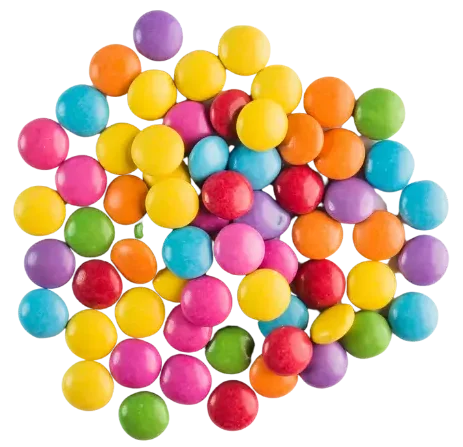
Sugar Hearts
Sugar Hearts

3.00AED
Rainbow discs
Rainbow Disc

3.00AED
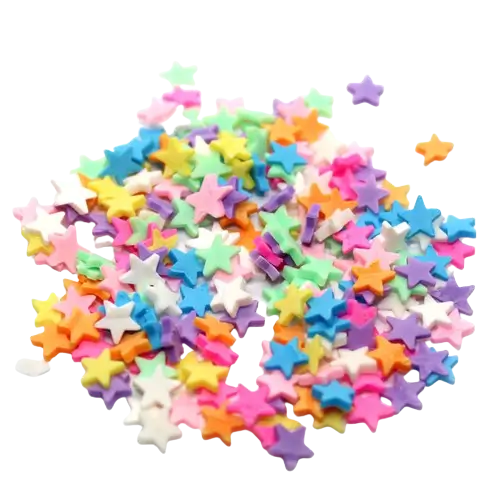
Star Sprinkles
Star Sprinkles

3.00AED
Vanilla Stawberry ice cream robot cafe Cup - Investment opportunities

VANILLA

17.00AED

rainbow vermicelli
Rainbow vermicelli

3.00AED
Sugar Hearts
Sugar Hearts

3.00AED
Gold pearl topping
Gold pearls

3.00AED
choco ice cream robot cup

VANILLA

17.00AED

rainbow vermicelli
Rainbow vermicelli

3.00AED
Sugar Hearts
Sugar Hearts

3.00AED
Gold pearl topping
Gold pearls

3.00AED
choco ice cream robot cup

Chocolate

25.00AED

Sugar Hearts
Sugar Hearts

3.00AED
Rainbow discs
Rainbow Disc

3.00AED
Star Sprinkles
Star Sprinkles

3.00AED

Please fill out the form to download the brochure Now

CafeXbot Logo

REQUEST THE BROCHURE