Essential Tips for Choosing the Right Ball Bearing?
Choosing the right Ball Bearing can feel overwhelming. The global ball bearing market is valued at over $30 billion, according to a recent report by ResearchAndMarkets. This highlights the importance of making informed choices. Expert David Richards states, "Selecting the right ball bearing can significantly impact machinery performance." This resonates as manufacturers face varying needs and applications.
It's critical to consider factors like load capacity, speed rating, and material. Proper selection ensures longer service life and efficient operations. Yet, many overlook these details. Counterintuitively, a cheaper bearing may lead to higher costs due to frequent replacements. It's essential to reflect on the specific requirements of your application.
Additionally, common mistakes, like ignoring environmental conditions, can lead to failures. The right ball bearing must withstand specific environments, whether high temperatures or exposure to corrosive substances. Understanding these nuances can prevent costly downtime in production. Taking the time to evaluate all aspects will lead to better decisions in the long run.
Understanding Ball Bearing Types and Their Applications
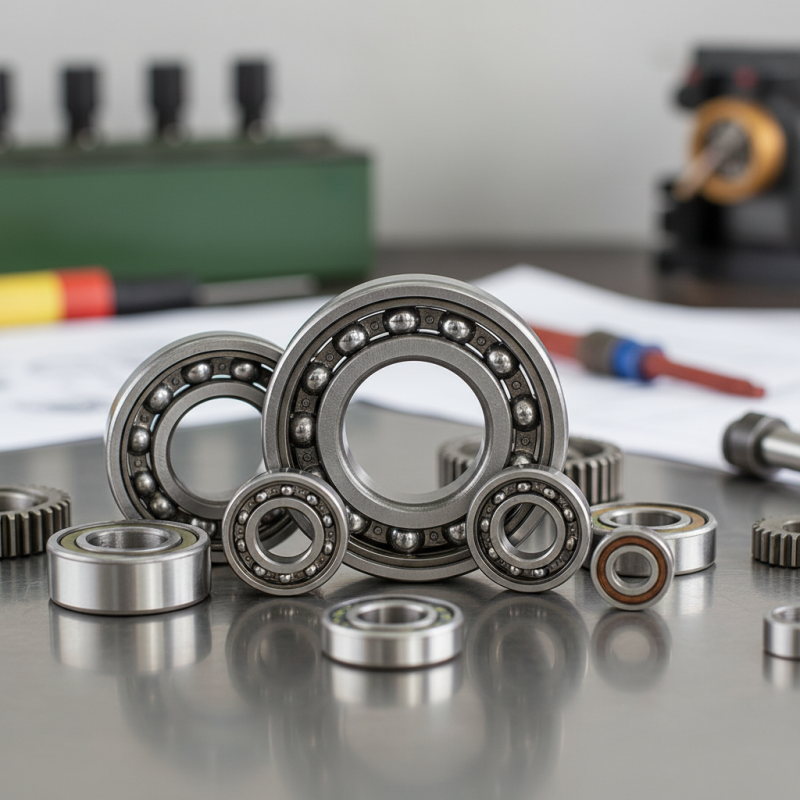
When considering ball bearings, understanding their types and applications is crucial. There are various ball bearing types, including deep groove, angular contact, and thrust bearings. Each type serves a unique function. For instance, deep groove bearings are versatile and widely used in electric motors and fans. Angular contact bearings handle both radial and axial loads, perfect for gearboxes and machine tools. Misjudging these details can lead to performance issues.
The application dictates the type of ball bearing needed. Environmental factors matter too. For high-speed applications, ceramic bearings could be a better choice. Yet, they can be more fragile. In contrast, steel bearings are robust but may have higher friction. The operational temperature is another critical consideration, as it affects lubrication and bearing lifespan. Choosing the wrong bearing can be costly, affecting efficiency and equipment durability. Remember, research and a clear understanding of your needs are essential.
Essential Tips for Choosing the Right Ball Bearing
| Ball Bearing Type | Material | Load Rating (N) | Speed Rating (RPM) | Applications |
| Deep Groove Ball Bearing | Steel | 2500 | 7000 | Automotive, Machinery |
| Angular Contact Ball Bearing | Chromium Steel | 3000 | 9000 | Machine Tools, Pumps |
| Self-Aligning Ball Bearing | Stainless Steel | 2000 | 5000 | Agricultural Machinery, Conveyors |
| Thrust Ball Bearing | Brass | 1500 | 4000 | Heavy Machinery, Gearboxes |
| Spherical Roller Bearing | Alloy Steel | 5000 | 6000 | Construction Equipment, Mining |
Key Factors to Consider When Selecting Ball Bearings
Choosing the right ball bearing can be challenging. Key factors include load capacity, speed rating, and material. A study shows that over 30% of machinery failures are due to bearing issues. Understanding these elements is crucial for efficient operations.
Load capacity determines how much weight a bearing can support. A miscalculation here can lead to premature wear or catastrophic failure. This is particularly important in heavy machinery, where even minor errors can escalate. Additionally, bearings must match the speed requirements of the application. The speed rating directly impacts performance. If you operate beyond this limit, overheating may occur, resulting in failure.
Material choice is another critical aspect. Common materials include steel and ceramics, but the right choice depends on application specifics. For example, ceramic bearings offer lower friction but may be more fragile. On the flip side, steel bearings can withstand higher loads but may corrode faster in certain environments. Balancing these factors often requires trial and error. Users may find they have to rethink their selections after initial use. This reflection can lead to better decisions in future applications.
Material Selection: Choosing the Right Material for Durability
When selecting ball bearings, material choice is critical for ensuring durability. Different applications require specific materials. Common options include stainless steel, ceramic, and plastic. According to a report by the National Association of Manufacturers, stainless steel bearings account for nearly 50% of the market due to their high resistance to corrosion and fatigue.
Ceramic bearings, while often pricier, offer unparalleled performance in extreme conditions. They are lightweight and operate smoothly at high RPMs. A study from the American Society of Mechanical Engineers suggests that ceramic bearings can reduce friction by up to 50%. However, they can be brittle, which poses a potential risk in shock-prone environments.
Plastic bearings present a cost-effective alternative. They resist chemicals well and can operate without grease. Yet, they may not withstand heavy loads. This could lead to premature failure. It's essential to understand the specific environment and load requirements before making a decision. Finding the right balance between performance and material costs can be challenging. It requires a careful evaluation of your needs.
Load Ratings and Their Impact on Bearing Performance
When selecting ball bearings, understanding load ratings is essential. Load ratings indicate how much weight a bearing can handle. Exceeding this limit leads to premature failure. Consider your application’s specific demands. If you're unsure, consult experts or manuals for guidance.
One tip is to assess the dynamic and static load ratings. Dynamic ratings apply to moving parts, while static ratings are for stationary loads. Knowing the difference is crucial. A bearing may perform well under dynamic conditions but struggle statically, leading to issues down the line.
Another important aspect is the environment in which the bearing operates. Conditions like temperature, moisture, and dust can impact performance. Choose a bearing that aligns with these factors. It's advisable to test bearings under real conditions if possible. This helps identify potential weaknesses before they become critical.
Bear in mind that there’s often a compromise between load capacity and speed. A higher load rating might reduce rotational speed. Each application is unique, and finding the right balance can be tricky. Investing time in understanding these implications pays off.
Maintenance Tips for Prolonging Ball Bearing Lifespan
Ball bearings play a crucial role in machinery and equipment. To prolong their lifespan, maintenance is key. Regular inspection helps identify issues early. Check for any signs of wear and tear or noise during operation. If you notice anything unusual, it’s time to investigate. Sometimes, small problems can escalate quickly if ignored.
Proper lubrication is essential for ball bearings. Using the right grease or oil can reduce friction and heat buildup. Too much lubricant can attract dirt, while too little can lead to wear. It’s important to find that balance. Cleaning the bearings periodically is crucial. Dust and debris can cause damage over time. Using compressed air can help, but be gentle to avoid any harm.
Remember, even with careful maintenance, failures can happen. Knowing when to replace bearings can save time and money. Pay attention to performance and be ready to adjust your maintenance routine as needed. Keeping track of usage patterns may reveal insights into when issues arise. This proactive approach can make a significant difference in bearing longevity.
Ball Bearing Lifespan Maintenance Tips