Top 10 Types of Robotic Arm Coffee Machines for Buyers?
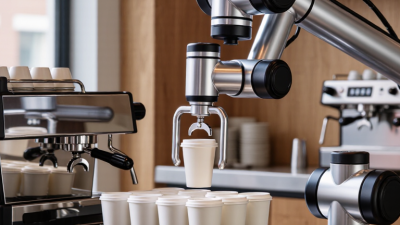
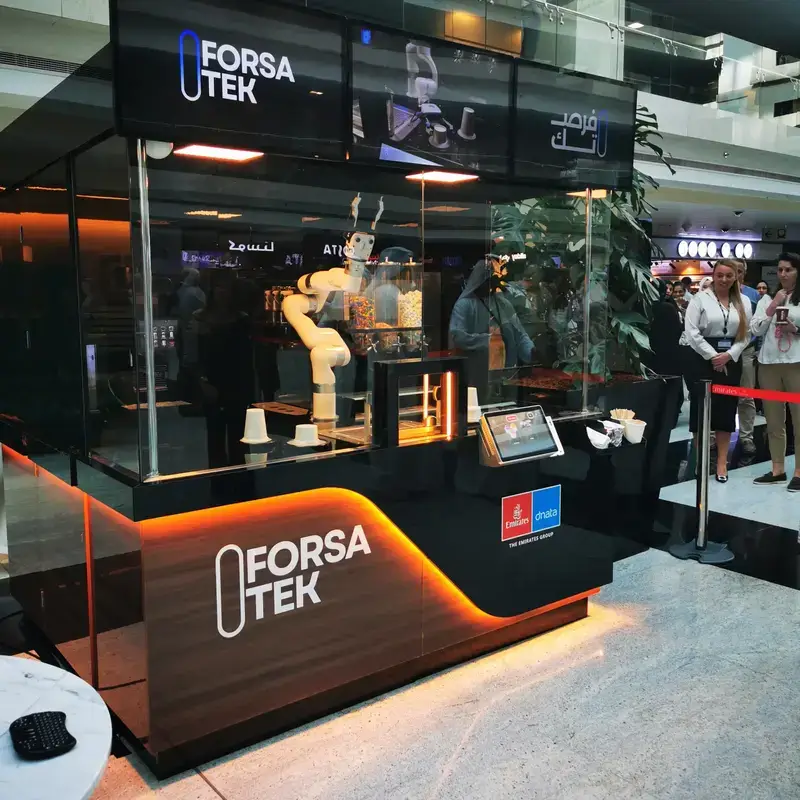
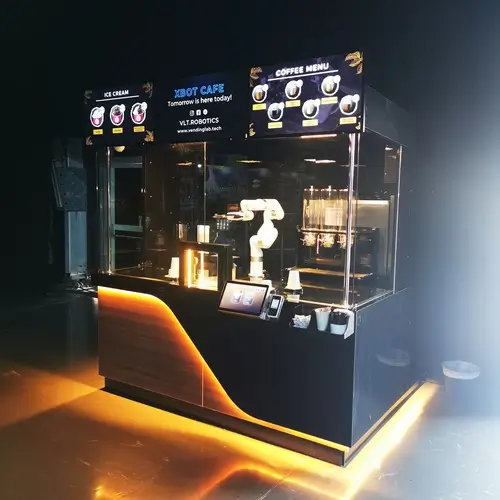
Robotic Arm Coffee machines are moving from technology showcases into cafés, hotels, offices, and high-volume service counters. Their appeal is practical: a programmed arm can position a portafilter, steam milk, and repeat precise movements during busy periods. Still, automation does not guarantee better coffee. Bean freshness, grinder calibration, water quality, and cleaning routines remain decisive.
The International Federation of Robotics reported 541,302 industrial robots installed worldwide in 2023. Although coffee machines use lighter collaborative systems, this figure shows the wider maturity of robotic automation. The IFR also identifies food and beverage production as an expanding application area. In the consumer market, the National Coffee Association’s Spring 2024 report found that 67% of American adults had consumed coffee during the previous day. Demand is stable, but customer expectations are becoming more specific.
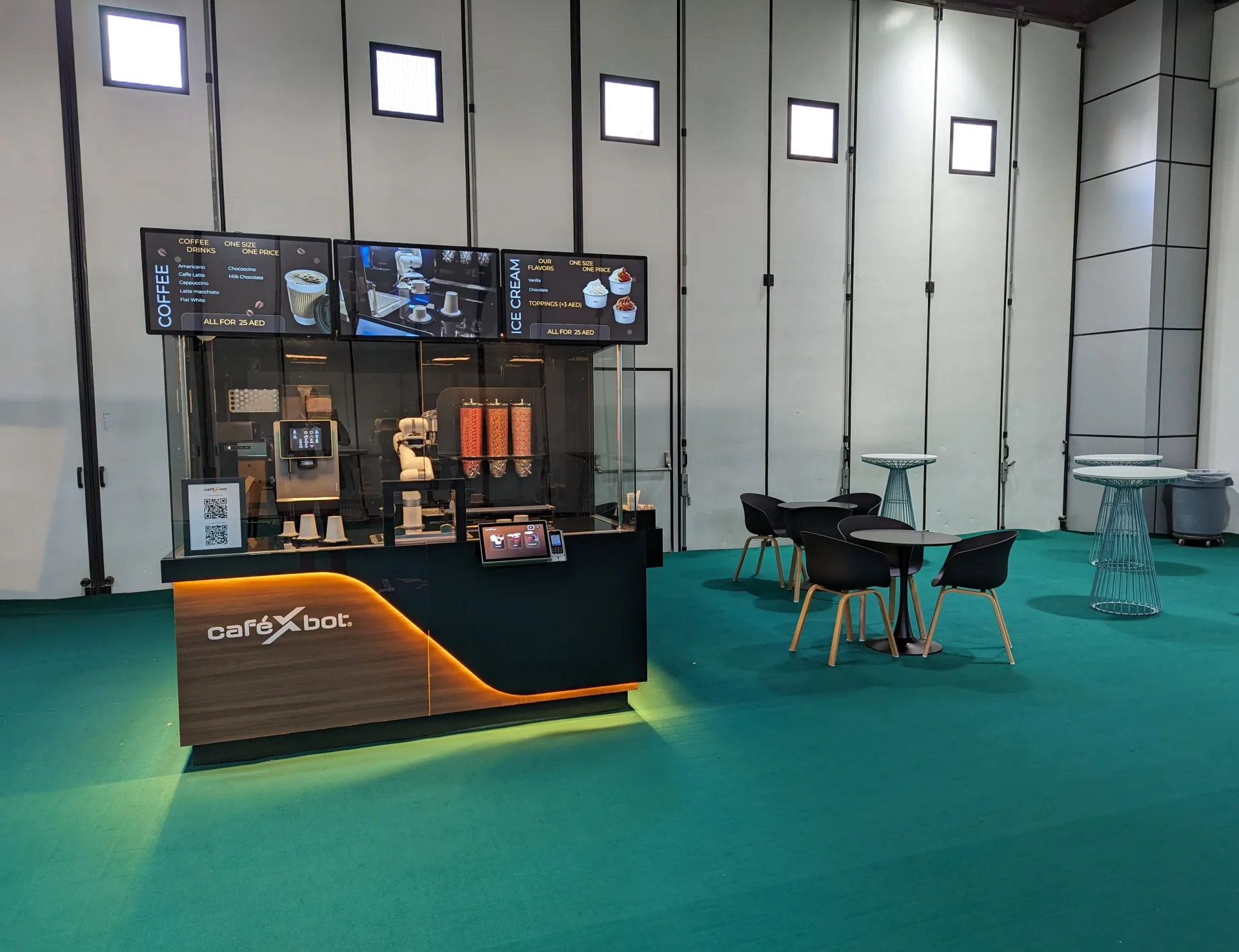
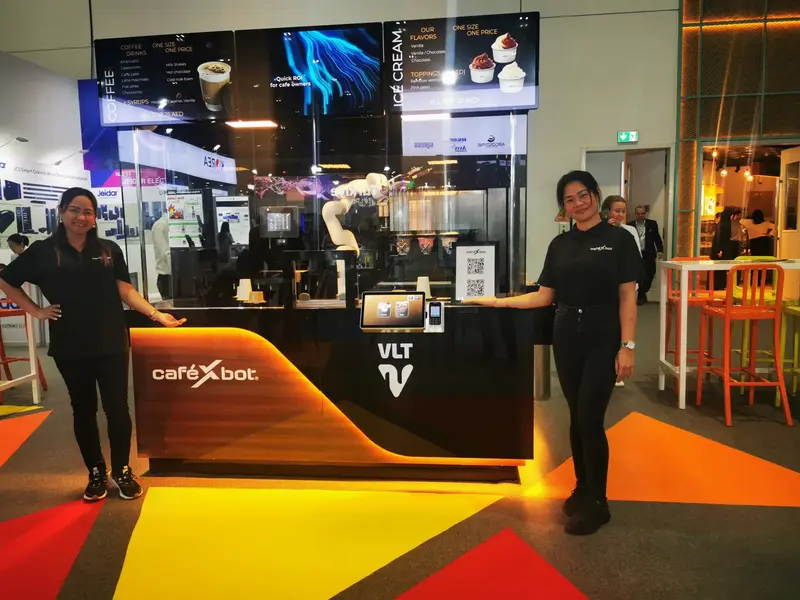
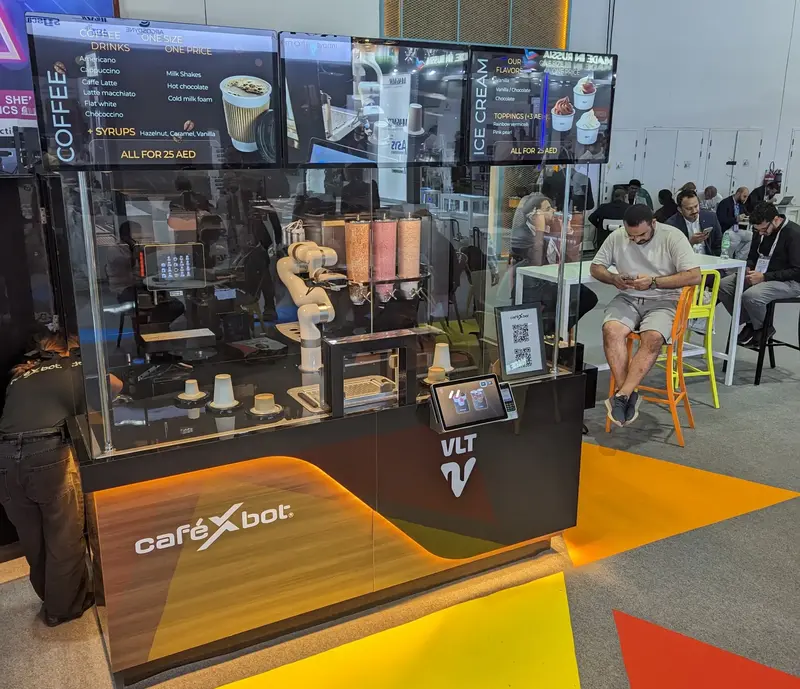
This guide examines the top 10 types of Robotic Arm Coffee machines for buyers. It compares robotic barista stations, compact countertop units, collaborative-arm systems, capsule platforms, mobile coffee robots, and high-capacity commercial models. Each category creates a different balance between speed, customization, footprint, training, and maintenance.
The details matter. A machine may prepare a drink quickly but struggle with delicate latte art. A polished arm may still require daily cleaning around its gripper and steam wand. No system is flawless.
Buyer priorities should include food-contact materials, emergency stops, software support, warranty coverage, energy use, and realistic service capacity. Industry reports provide useful direction, not a final verdict. Hands-on testing remains essential, especially during the morning rush.
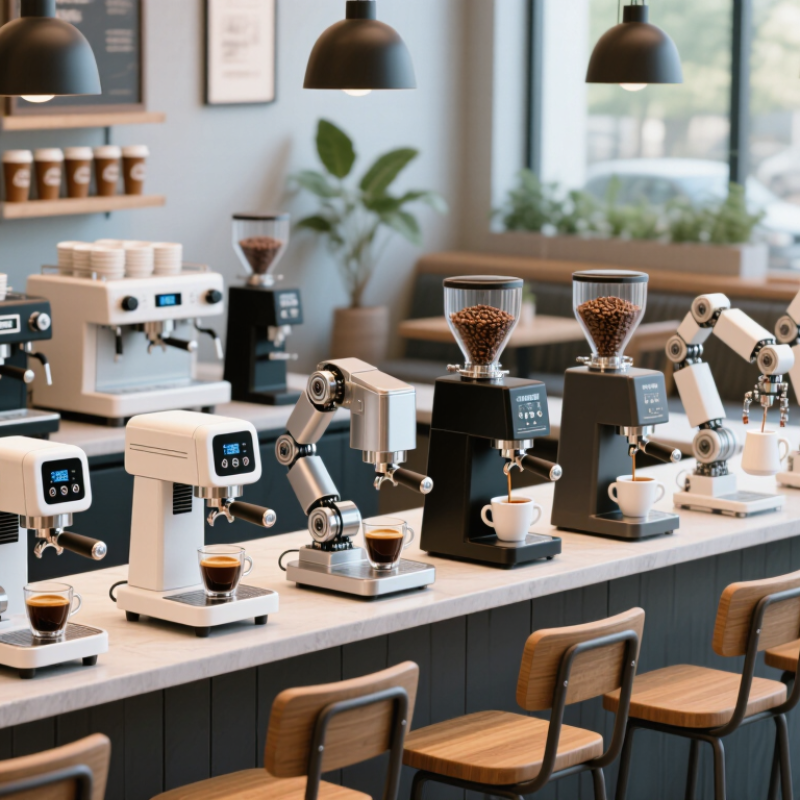
Robotic Arm Coffee Machine Types by Brewing and Service Function
Robotic arm coffee machines differ mainly by brewing method and service function. Brewing types include espresso extraction, capsule brewing, drip filtration, pour-over preparation, cold-brew production, concentrate dilution, dual-temperature brewing, milk-based drink preparation, hybrid brewing, and multi-recipe systems. Each design suits a different setting. Espresso systems need stable pressure and precise grinding. Pour-over machines require careful water flow and timing. Cold-brew units need more preparation space and longer production cycles.
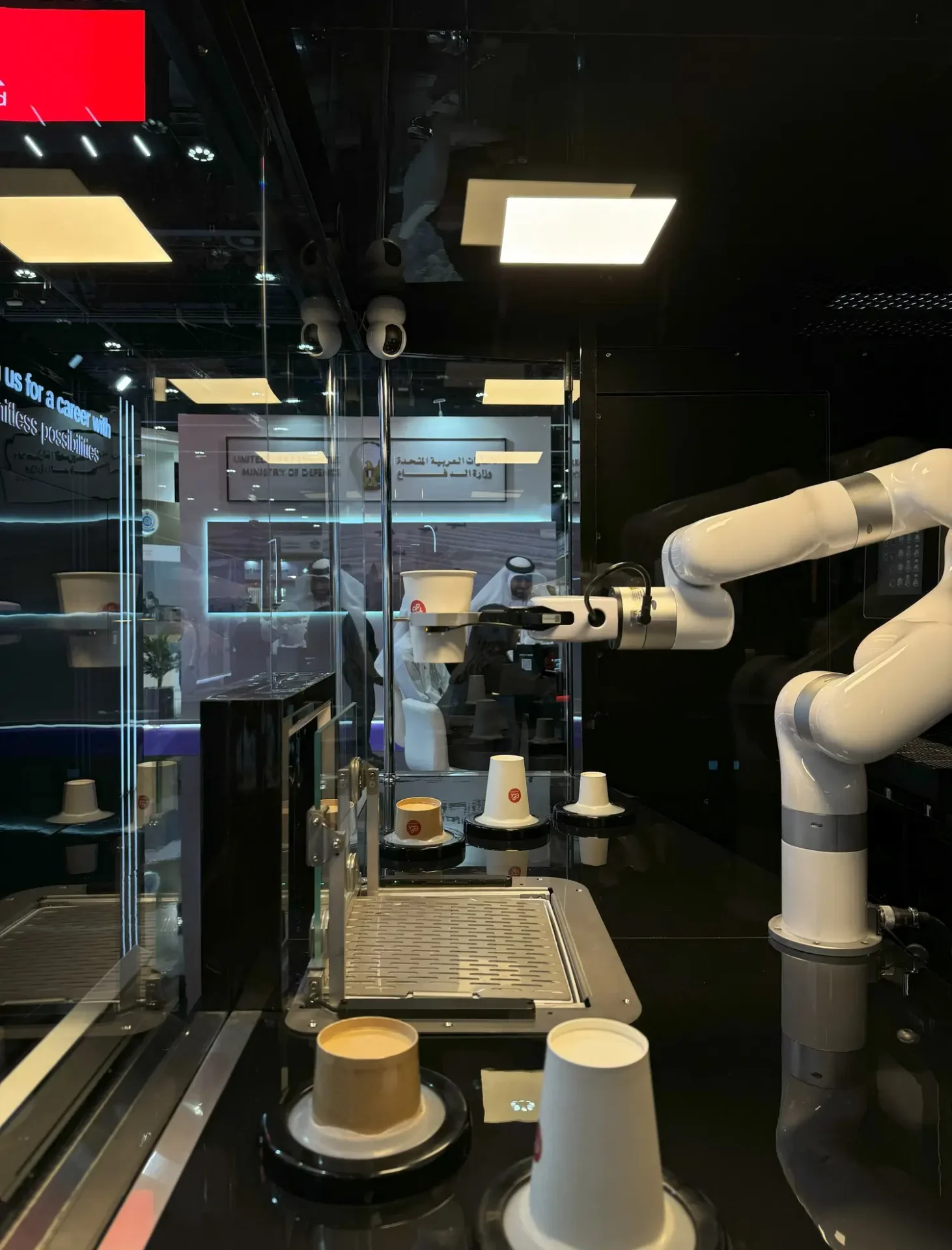
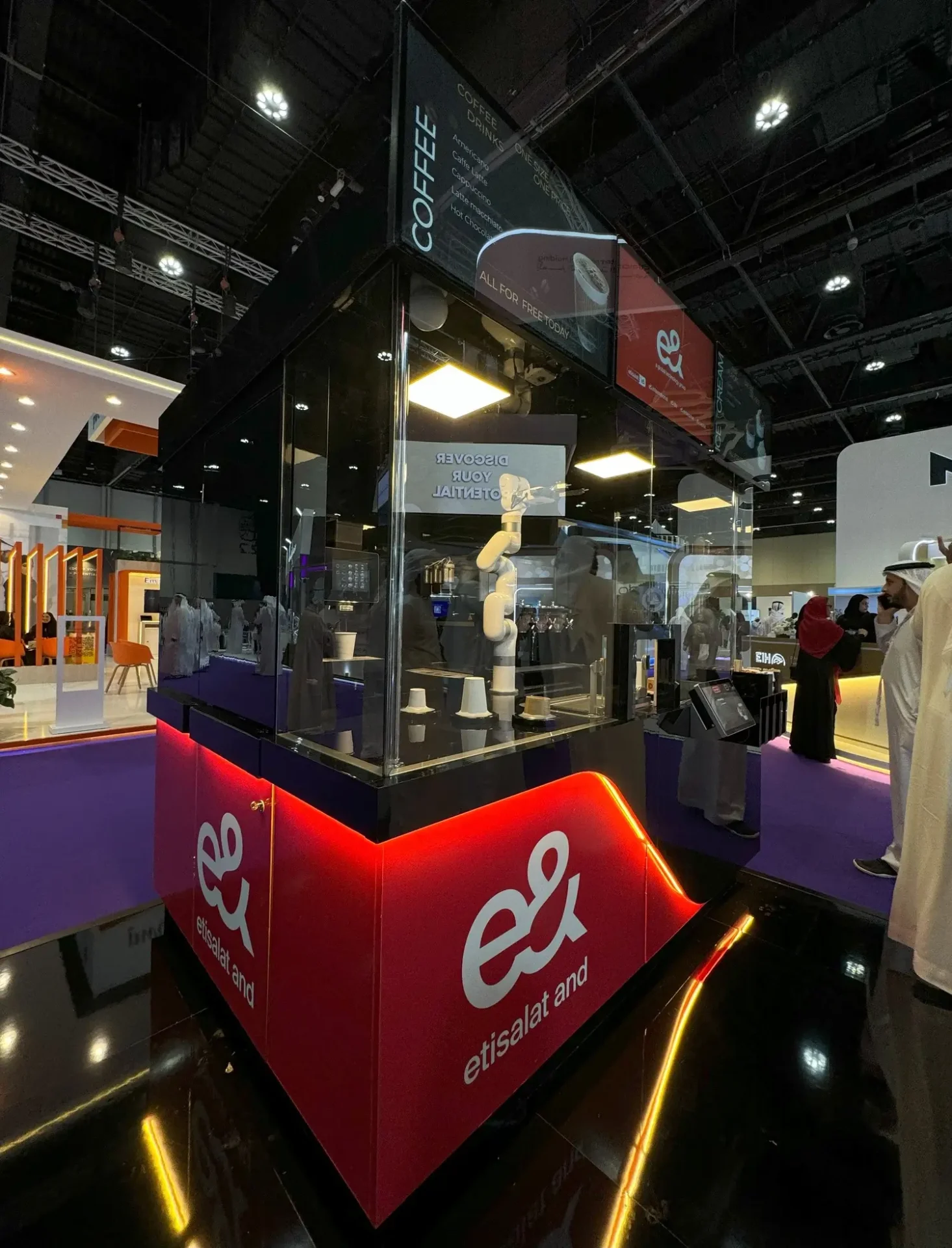
Service functions create another useful comparison. Some robotic arms load cups, position portafilters, dose coffee, steam milk, add syrup, place lids, or deliver finished drinks to a pickup shelf. Advanced systems combine several actions in one cell. A buyer should inspect arm reach, cup compatibility, cleaning access, and recovery time after an error. Small details matter. A poorly placed drain can slow daily maintenance.
Real operating experience shows that automation does not remove every problem. Milk residue can collect around nozzles, and sensors may misread transparent cups. A perfect demonstration can hide these weaknesses. Request test cycles with different cup sizes, drink temperatures, and order volumes. Check whether staff can safely pause the arm and correct a mistake. The best machine is not always the fastest one. It should produce consistent drinks, support practical cleaning routines, and remain understandable during busy service.
Key Automation Technologies Used in Robotic Coffee Machines
Top 10 Types of Robotic Arm Coffee Machines for Buyers: Key Automation Technologies
Robotic coffee machines rely on several automation layers, not just a moving arm. Six-axis articulated arms provide flexible reach around grinders, brewers, cups, and cleaning stations. Collaborative arms can reduce guarding needs when sensors limit force and speed. SCARA systems suit repetitive cup placement and precise ingredient dispensing. Vision cameras identify cup positions, liquid levels, and misplaced tools. Force sensors help detect blocked portafilters or unusual resistance.
The International Federation of Robotics reported 541,302 industrial robot installations worldwide in 2023. That was a 10% increase from 2022, according to World Robotics 2024. Coffee equipment buyers can also examine PLC control, recipe software, servo motors, and IoT monitoring. These technologies coordinate grinding time, water temperature, extraction pressure, and milk delivery. Temperature sensors matter greatly. A small thermal error can change flavor and waste ingredients. Real-time dashboards can reveal downtime, but data alone cannot fix poor calibration.
Tips: Test the full workflow before purchase. Watch the arm during rush periods. Ask for cleaning records, failure rates, and service response times. Check whether staff can adjust recipes without specialist tools. A robot may look precise yet produce inconsistent coffee after vibration, wear, or software updates. This weakness is easy to overlook. Human inspection still matters, especially when cups, liquids, and moving parts share limited counter space.
Top 10 Types of Robotic Arm Coffee Machines
The chart compares typical automation coverage across ten robotic coffee machine configurations. The score reflects how many major workflow stages are commonly automated, including cup handling, grinding, dosing, tamping, extraction, milk preparation, dispensing, cleaning, and payment integration.
Higher scores indicate broader end-to-end automation and are useful for comparing equipment complexity, labor reduction potential, and integration requirements during the buying process.
Comparison of the Top 10 Robotic Arm Coffee Machine Types
The ten main robotic arm coffee machine types differ in speed, drink range, and maintenance. Single-group espresso arms suit small cafés and controlled menus. Multi-group espresso arms support heavy rush periods. Capsule systems reduce grinding errors but create more waste. Pour-over arms offer visible brewing and precise water control. Batch-brew arms deliver consistent volume for offices. Cold-brew systems need longer preparation and refrigerated storage. Milk-frothing arms improve texture, but sensors need frequent cleaning. Mobile-cart arms save floor space and support events. Dual-arm systems manage brewing and serving together. Vision-guided modular arms adapt to changing cup sizes and recipes.
The International Federation of Robotics reported 541,302 industrial robots installed worldwide in 2023. That figure shows automation maturity, but it is not coffee-specific evidence. Buyers should avoid treating it as a direct performance guarantee. The National Coffee Association’s Spring 2024 report found that 67% of American adults drank coffee during the previous day. Demand is strong, yet labor costs, water quality, cleaning time, and technician access often decide payback. In practical comparisons, espresso arms usually offer broader menus. Capsule arms often provide simpler training. Mobile units remain attractive where rent is expensive. No ranking is perfect.
Tips: Compare drinks per hour, not arm speed alone. Request a live test with your own cups and milk. Check cleaning cycles, safety certification, spare-part availability, and software access. A cheaper arm may become costly when calibration fails. Also measure noise beside customers; this detail is easy to overlook.
Buyer Criteria for Selecting a Robotic Arm Coffee Machine
Choosing a robotic arm coffee machine starts with the site, not the catalog photo. Measure counter depth, ceiling clearance, customer flow, and service access. A compact six-axis arm may suit a kiosk, while a gantry design can require more floor space.
Match the machine to daily volume. A unit rated for 300 cups may struggle during a 500-cup rush. Ask for tested cycle times, not optimistic claims. Request videos showing milk texturing, cup placement, and spill recovery. These details reveal practical engineering and weak calibration.
Buyer criteria should include hygiene, consistency, maintenance, and operator safety. Confirm food-contact materials, cleaning routines, temperature control, and emergency-stop access. Check whether staff can remove the brew group without special tools.
In real café trials, small delays often become large queues. Review warranty coverage, spare-part availability, training, and software support. Calculate total ownership costs, including water filters, cleaning supplies, energy, and technician visits. I would also test noise levels. A machine can make excellent coffee yet disturb nearby customers. Automation is rarely perfect.
Tips: Run a live trial with your own cups, recipes, and peak-hour workflow. Count errors, cleaning time, and recovery steps. Leave space for human oversight. That space matters. Compare measured performance with written specifications, and record every unanswered question before signing.
Installation, Maintenance, and Operating Considerations
Robotic arm coffee machines require careful installation, not just attractive placement. Measure ceiling height, counter depth, service access, and the arm’s full movement range. Keep at least one clear path around emergency controls. A certified technician should verify electrical grounding, water pressure, drainage, and software limits before operation. Different arm designs may need different mounting plates or safety zones. Small errors can create repeated cup-placement problems.
Daily maintenance should include wiping food-contact surfaces, checking grippers, inspecting cables, and emptying waste containers. Clean milk lines according to the equipment manual, especially after busy service periods. Technicians should record calibration results, unusual sounds, error codes, and replaced parts. This history supports reliable troubleshooting. In practice, even trained teams sometimes overlook a loose connector during a rushed closing shift. That mistake deserves review, not blame.
Tips: Leave service space behind the machine. Test one drink cycle before opening. Keep cleaning tools nearby. Train staff to use the emergency stop and restart procedure. Operators should watch cup alignment, liquid temperature, and pickup timing during peak hours. Do not place loose objects inside the robotic work zone. Maintenance intervals may need adjustment in dusty, humid, or high-volume locations. A practical schedule is better than a perfect schedule nobody follows.
Top 10 Types of Robotic Arm Coffee Machines for Buyers – Installation, Maintenance, and Operating Considerations
| No. | Robotic Coffee Machine Type | Typical Applications | Typical Output | Installation Requirements | Estimated Setup Time | Routine Maintenance | Operating Considerations | Recommended Staffing | Relative Investment |
|---|---|---|---|---|---|---|---|---|---|
| 1 | Compact Single-Arm Espresso Cell | Small cafés, offices, hotel lobbies, and convenience locations | Approximately 30–60 cups/hour | Level counter, potable water connection or reservoir, drainage, grounded power outlet, and adequate ventilation | 1–2 working days, excluding site preparation | Daily group-head and milk-system cleaning; weekly inspection of the arm, grinder, seals, and waste container | Best for a focused menu; cup placement and waste-bin access must remain unobstructed | One trained operator during service | Low to medium |
| 2 | Dual-Arm Espresso and Milk-Handling System | High-volume cafés, food courts, and transport hubs | Approximately 60–120 cups/hour | Wider service area, higher electrical capacity, water filtration, drainage, and clearance for two coordinated arms | 2–4 working days | Daily cleaning of two tool paths and the milk circuit; weekly calibration and monthly safety inspection | Higher throughput depends on synchronized workflows, ingredient replenishment, and rapid cup presentation | One operator plus peak-period support | Medium to high |
| 3 | Collaborative Countertop Robotic Barista | Retail counters, corporate offices, co-working spaces, and event venues | Approximately 20–50 cups/hour | Stable counter, guarded operating zone, network connection if required, filtered water, drainage, and accessible emergency stop | 1–3 working days | Frequent wipe-down of shared surfaces, daily beverage-path cleaning, software checks, and scheduled safety testing | Human interaction is possible, but the safety zone and user-access rules must be clearly marked | Part-time attendant or remote supervisor | Medium |
| 4 | Fully Automatic Bean-to-Cup Robotic Station | Self-service areas, offices, hospitals, and educational facilities | Approximately 40–100 cups/hour | Power, filtered water or refillable tank, drainage or large waste container, ventilation, and floor or counter stability | 1–2 working days | Daily hopper and brew-unit cleaning; regular descaling, waste removal, grinder inspection, and milk-line sanitation | Consumable capacity and waste-bin size determine unattended operating time | Route-based service attendant | Medium |
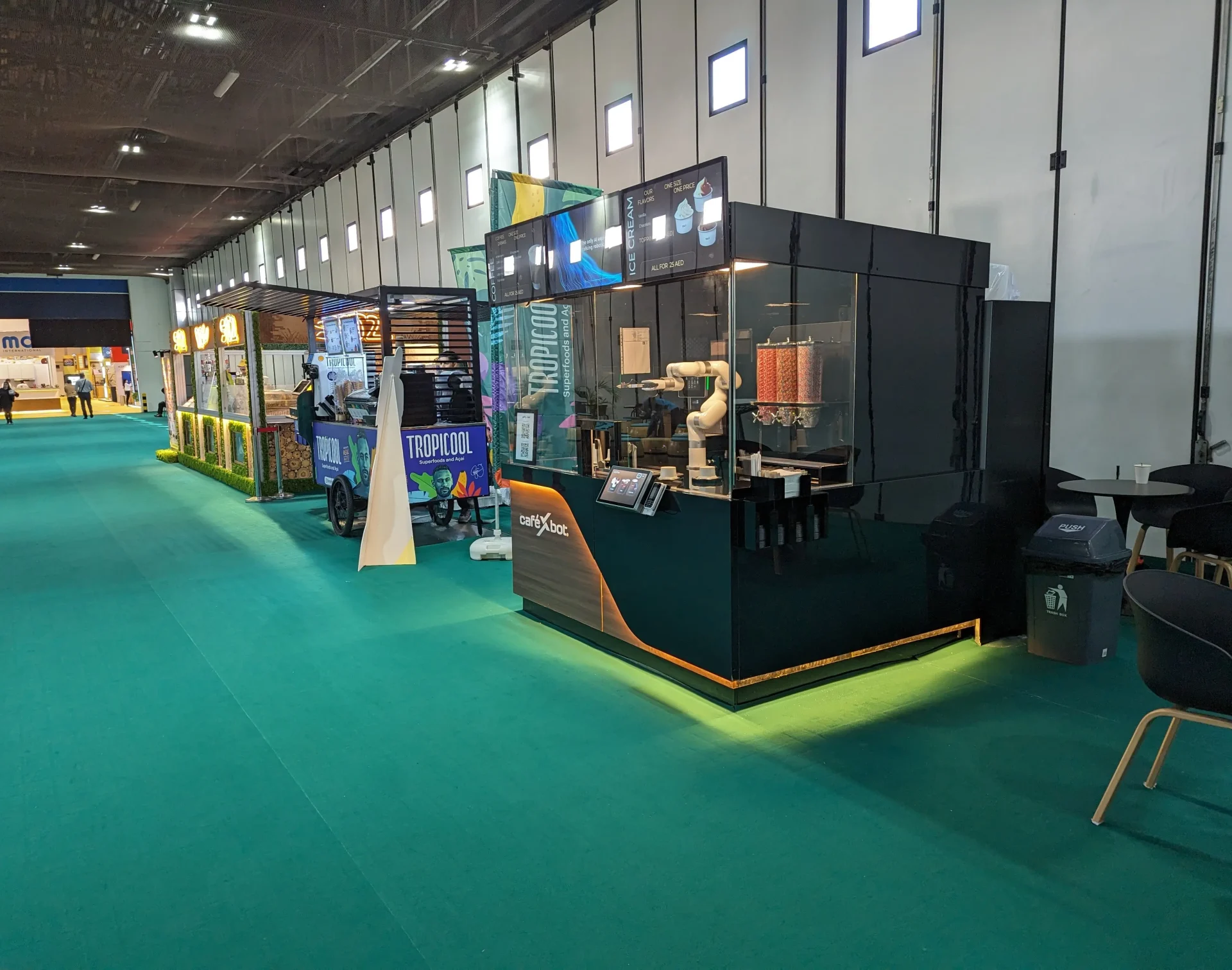
| 5 | Modular Robotic Coffee Kiosk | Shopping centers, campuses, office buildings, and residential developments | Approximately 50–120 cups/hour | Dedicated footprint, floor loading review, power, water, drainage, ventilation, connectivity, and local permit approval where applicable | 3–7 working days after utilities are ready | Daily sanitation and replenishment; weekly mechanical inspection; scheduled preventive service for pumps, valves, sensors, and arms | Layout should separate customer queues, robot motion, ingredient storage, and waste handling | On-site attendant during busy periods | High |
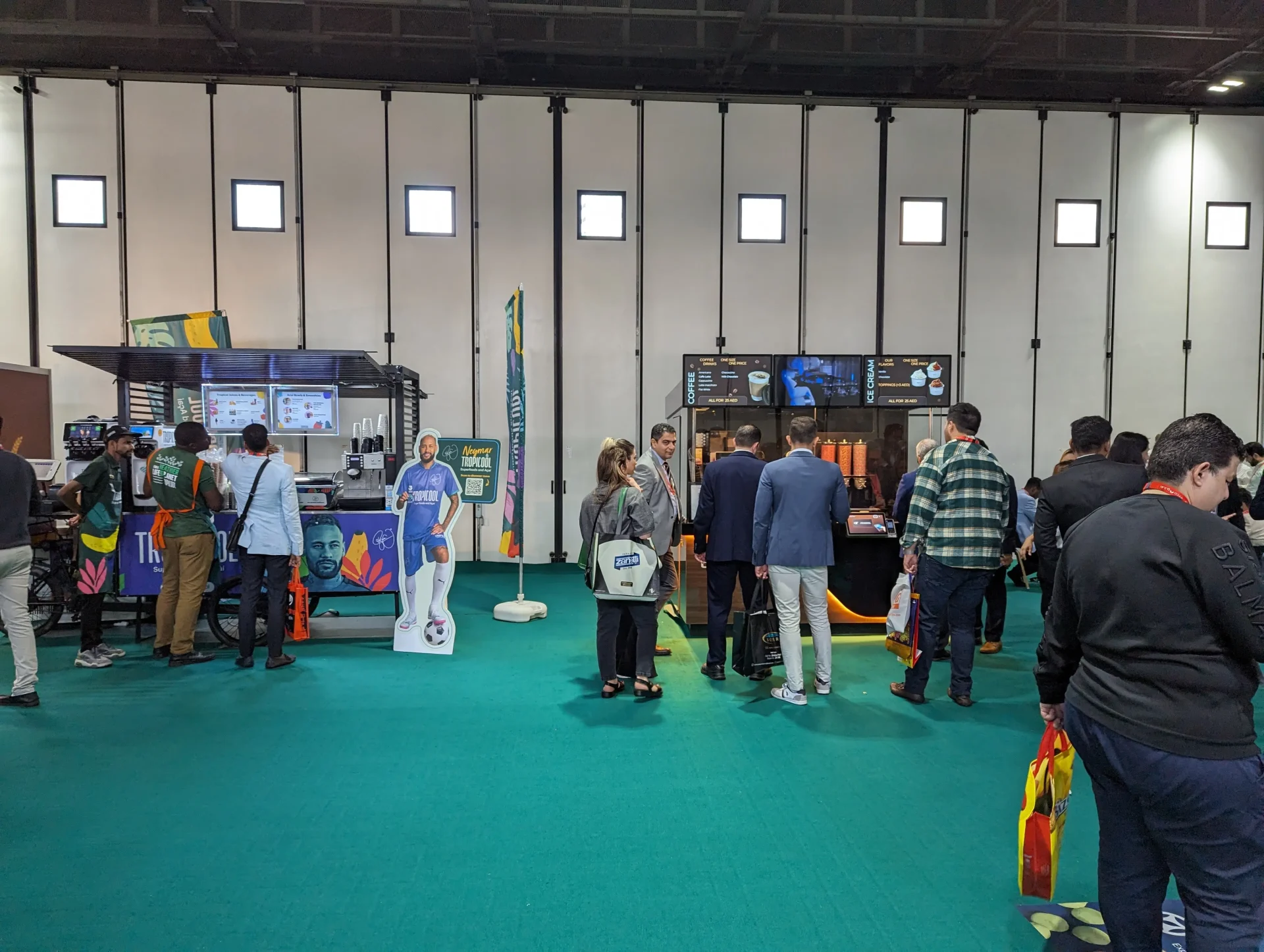
| 6 | Mobile Cart Robotic Coffee Unit | Events, markets, campuses, temporary retail sites, and outdoor service areas | Approximately 20–70 cups/hour | Level route, wheel locks, battery or approved power supply, potable water, wastewater containment, and weather protection | 2–5 hours per deployment, depending on site utilities | Clean and secure the unit after each shift; inspect wheels, battery, water tanks, tubing, and arm alignment | Battery duration, weather, transport weight, and replenishment logistics can limit service capacity | One trained mobile operator | Medium to high |
| 7 | Robotic Pour-Over and Specialty Brewing Station | Specialty coffee bars, tasting rooms, premium hospitality, and demonstration spaces | Approximately 10–30 cups/hour | Precision water supply, drainage, stable brewing surface, temperature control, and storage for filters and coffee | 1–3 working days | Daily cleaning of drippers, kettles, dosing tools, and contact surfaces; periodic flow-rate and temperature verification | Recipe consistency depends on accurate dosing, grind size, water temperature, and controlled pouring patterns | One trained coffee professional | Medium to high |
| 8 | Robotic Espresso-and-Cocktail Beverage Cell | Hotels, restaurants, entertainment venues, and premium lounges | Approximately 30–80 coffee beverages/hour | Separate ingredient storage, water and drainage, refrigeration where required, safety barriers, and sufficient electrical capacity | 3–6 working days | Daily cleaning of coffee and beverage-contact tools; frequent refrigeration checks; weekly inspection of pumps, valves, and grippers | Multiple liquid ingredients increase cross-contamination, inventory, and cleaning-control requirements | One operator or service technician per shift | High |
| 9 | High-Speed Multi-Station Robotic Coffee Line | Large food-service operations, airports, stadiums, and production kitchens | Approximately 100–250 cups/hour | Commercial-grade power, high-capacity water treatment, drainage, extraction ventilation, floor anchoring, and service access | 5–10 working days | Shift-based sanitation, scheduled calibration, filter replacement, lubrication where specified, and documented preventive maintenance | Throughput is sensitive to queue design, ingredient staging, cup sizes, software integration, and downtime planning | Dedicated shift technician and replenishment staff | Very high |
| 10 | Unattended Smart-Vending Robotic Coffee Station | Transit stations, workplaces, hospitals, apartment buildings, and 24-hour sites | Approximately 20–80 cups/hour | Secure floor area, reliable power, water and drainage or closed-tank operation, network connectivity, lighting, and customer-access controls | 1–4 working days | Scheduled sanitation and restocking; remote diagnostics; regular inspection of payment, sensors, refrigeration, pumps, and waste systems | Uptime depends on remote monitoring, secure payment handling, consumable forecasting, and rapid response to faults | Scheduled field-service technician | Medium to high |
Related Posts
-
Top Coffee Robot Arm Suppliers for Global Buyers?
-
5 Creative Tips to Enhance Your Coffee Serving Robot Experience
-
Innovative Solutions Beyond Traditional Coffee Makers with Robot Coffee Machine
-
Why Are Robot Cafes a Smart Global Investment?
-
Future Trends in Best Robotic Cafe Market Analysis for 2025
-
2026 Best Robot Coffee Barista for Global Buyers?