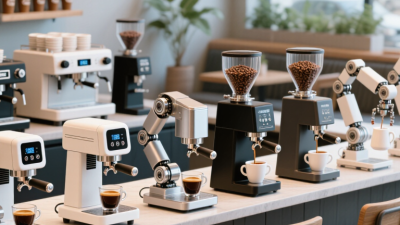
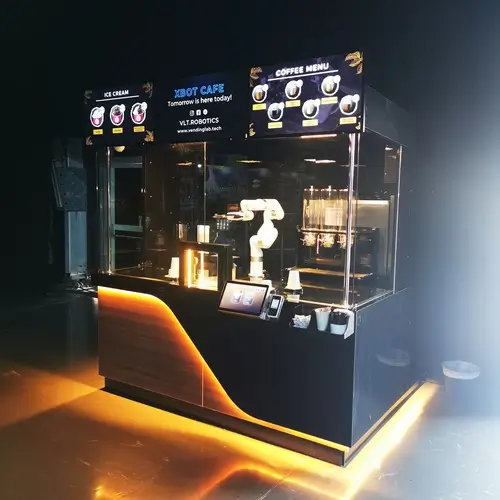
What Are the Top Types of Coffee Robot Arms?
Coffee Robot Arm systems now sit at the meeting point of daily coffee demand and practical automation. The National Coffee Association’s 2024 National Coffee Data Trends report found that 67% of U.S. adults had coffee in the past day. That is a demanding setting: a busy counter, a queue, and drinks that need consistent preparation.
The wider robotics market offers useful context, though it does not measure coffee arms specifically. The International Federation of Robotics reported 541,302 industrial robot installations worldwide in 2023. Those figures show how broadly automation is being adopted, but a café has different needs from a factory. Space is tight. Milk, cups, and hot surfaces complicate each movement. Small details matter.
A useful perspective comes from robotics pioneer Joseph Engelberger: “I can’t define a robot, but I know one when I see one.” For coffee, the practical question is sharper: which arm suits the task? This guide compares six-axis articulated arms, SCARA arms, collaborative robots, and Cartesian systems. It will consider reach, speed, payload, safety, and drink consistency, rather than treating every robotic arm as interchangeable. The categories overlap, and real installations do not always fit neat labels. That is worth remembering. A glossy demo may look effortless; a crowded morning shift is a tougher test.
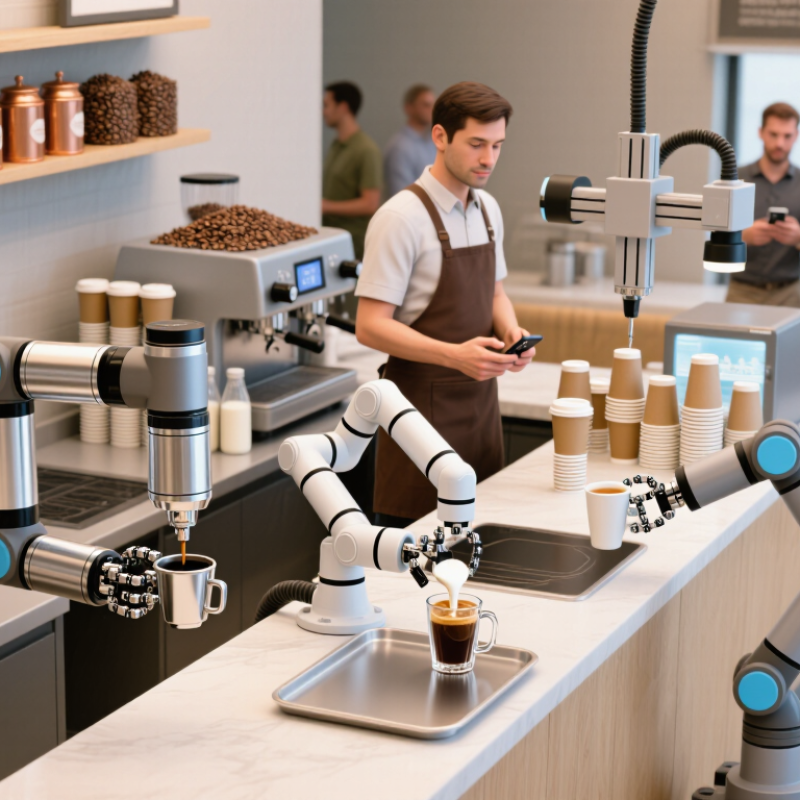
Cartesian Coffee Arms for Precise, Straight-Line Movements
Cartesian coffee arms move along three perpendicular axes: X, Y, and Z. This layout suits tasks that need straight, repeatable travel, such as placing a cup beneath a grinder or moving a pitcher between stations. The arm follows a defined path instead of swinging through a wide arc. That can make it easier to plan around counters, splash zones, and nearby equipment. Clean paths matter.
Accuracy still depends on careful setup. Rail alignment, frame stiffness, motor control, and tool calibration all affect where the gripper ends up. A small offset can leave a cup awkwardly positioned under a spout. And a precise path does not automatically create a good pour; flow rate and liquid movement need separate control. I might have assumed straight-line motion solved more of the process than it really does.
Tips: Map the cup and pitcher positions before choosing the arm’s travel range. Leave room for cleaning and hand access. Test movements with an empty cup first, then check for vibration and drips during real service. If the counter layout changes often, fixed rails may feel restrictive.
Cartesian arms use perpendicular linear axes for precise, straight-line movements—useful for repeatable coffee-preparation tasks. The counts shown are representative configurations; designs can vary.
SCARA Coffee Arms for Fast, Repetitive Drink Preparation
SCARA coffee arms suit drink stations where the same short movements happen again and again. Their horizontal reach and compact footprint can help them move cups between a dispenser, espresso machine, and pickup point without taking up a large work area. That matters. In a busy service period, a programmed arm can repeat a cup placement or syrup-dispensing motion while staff handle customer requests.
The setup works best when the drink menu and station layout are consistent. A cup must land in the right spot, and the arm’s grip must match the cup’s shape and weight. Small changes in cup position can affect repeatability, so sensors or simple guides may be needed. Not every café. A highly customized menu can require frequent adjustments, reducing the advantage of repetitive automation.
A practical SCARA cell also needs careful integration with the coffee equipment. The arm should avoid hot surfaces, spills, and moving parts, while its tools need cleaning access. Cycle speed is useful, but it is not the only measure of performance. A fast reach means little if the machine pauses for refills or the workflow creates a queue. Test the full drink sequence, including cup pickup and handoff, before deciding whether the arm fits the station.
Articulated Coffee Arms for Flexible, Multi-Axis Tasks
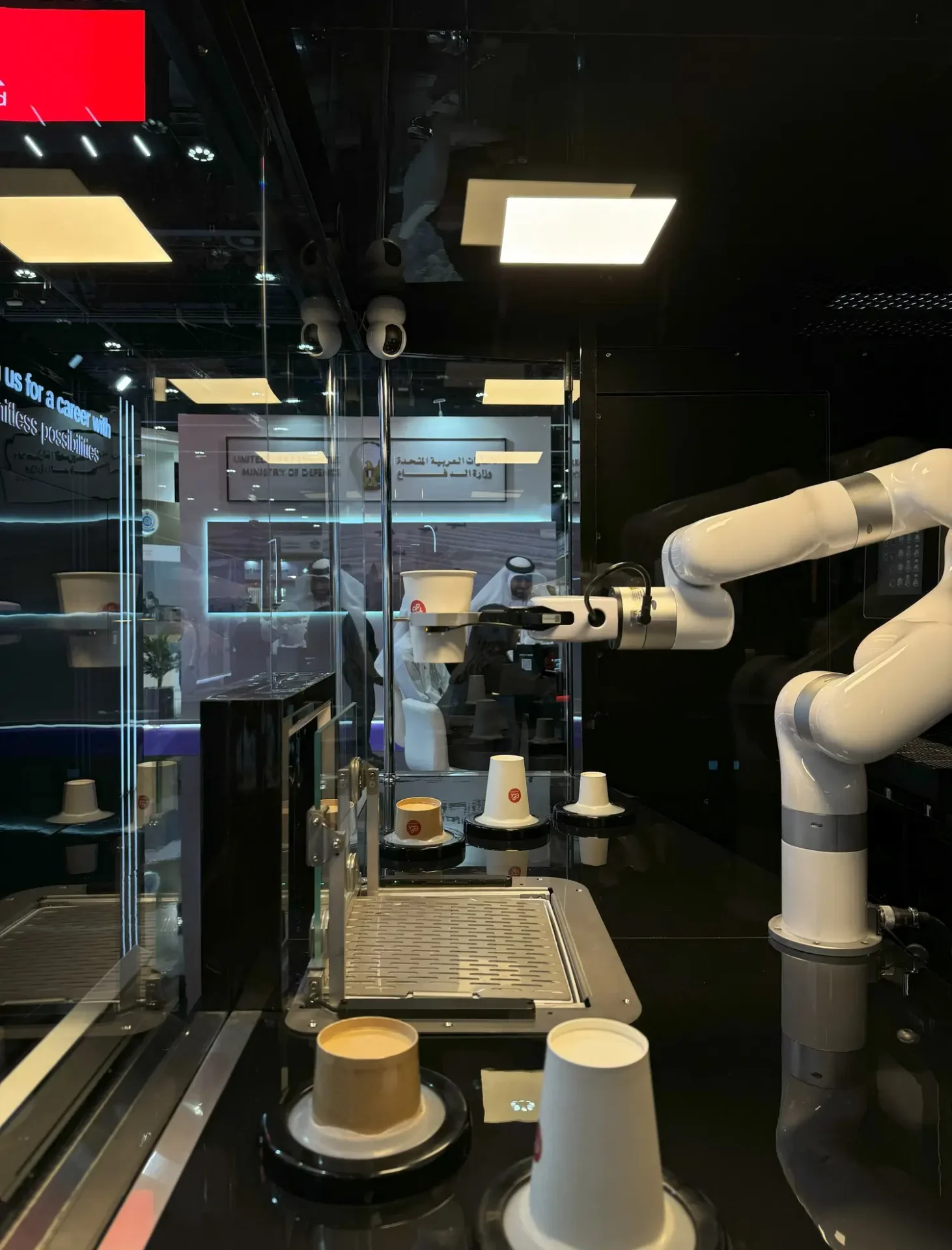
An articulated coffee arm uses linked joints to move through several axes, reaching around grinders, cups, and brewing equipment. That range suits flexible tasks: positioning a portafilter, placing a cup, or moving a tool between stations. Compared with a fixed mechanism, an articulated arm can adapt when the counter layout changes. Yet flexibility depends on careful setup. The International Federation of Robotics’ World Robotics 2024 report recorded 541,302 industrial robot installations worldwide in 2023, with 4,281,585 industrial robots operating globally. These figures cover many industries, not coffee shops specifically, so they show broader automation growth rather than café adoption. Small errors matter.
In a compact café, an arm might lift a cup, hold it beneath a grinder, then place it under a brewer. A camera can help locate objects, while sensors can monitor position and contact. Operators still need to test movements with real cups, uneven counters, and changing ingredient levels. Hot liquids, splashes, and crowded work areas complicate the design. Not every café needs one. A neat demonstration can hide slow handoffs or awkward cleaning access. Before choosing an articulated arm, assess its reach, payload, repeatability, and cleaning requirements against the actual drink workflow.
What Are the Top Types of Coffee Robot Arms? – Articulated Coffee Arms for Flexible, Multi-Axis Tasks
| Robot arm type |
Typical axes |
Indicative reach |
Typical payload range |
Coffee-shop strengths |
Best suited to |
| Compact 6-axis collaborative arm |
6 |
About 500–900 mm |
About 3–10 kg |
Flexible wrist orientation; compact installation; can reach between grinders, brewers, cups, and handoff areas. |
Small counters and varied drink-making routines. |
| Standard 6-axis articulated arm |
6 |
About 700–1,500 mm |
About 5–20 kg |
Broad motion range and flexible approach angles for operating several pieces of equipment. |
Higher-volume stations with multiple work zones or heavier tools. |
| 7-axis collaborative arm |
7 |
Often about 800–1,000 mm |
Often about 5–10 kg |
An extra joint can help the arm move around obstacles and adjust its posture in constrained spaces. |
Crowded layouts where the arm must work around people or fixed equipment. |
| Long-reach 6-axis articulated arm |
6 |
About 1,200–2,000 mm |
About 3–15 kg |
Can cover widely spaced equipment or serve more than one counter zone from a fixed mounting point. |
Large service areas where reach matters more than a small footprint. |
| SCARA arm |
Usually 4 |
About 400–800 mm horizontal reach |
About 2–10 kg |
Fast, repeatable movement across a mostly horizontal work area; less wrist-orientation flexibility than a 6-axis arm. |
Repetitive pick-and-place tasks, such as moving cups or lids between nearby stations. |
Reach and payload figures are indicative ranges commonly found across robot-arm classes, not coffee-specific standards. Actual specifications vary by model, tooling, mounting position, and safety setup.
Delta Coffee Arms for High-Speed Ingredient Handling
Delta coffee arms suit fast, repetitive ingredient handling. Their parallel-link design moves a compact end effector across a broad work area, often with quick pick-and-place cycles. At a busy counter, one arm might transfer sealed syrup portions, cup lids, or garnish cups between trays. A vision camera can help locate items when trays are slightly misaligned.
Fast, repeatable transfers.
The International Federation of Robotics reported 541,302 industrial robot installations worldwide in 2023, up 4% from 2022. Its World Robotics 2024 report covers many industries, so this figure signals broader automation growth, not coffee-specific adoption.
For coffee operations, cycle speed matters only when the whole station keeps pace. A delta arm needs a stable supply of ingredients, clear access for staff, and carefully tuned gripping force. Lightweight items can shift or tip; loose powders and sticky syrups may need different handling methods.
Small details count.
Food-contact parts should be suitable for the ingredients, and the surrounding area must allow practical cleaning. Before choosing a system, operators can time real tasks across a full shift and note jams, refill delays, and missed picks.
One honest limitation: a fast arm can repeat a poor workflow very efficiently. The task layout still deserves scrutiny.
Collaborative Coffee Arms for Shared Human-Robot Workspaces
Collaborative coffee arms are designed to work near staff, not simply replace them. A compact arm can move a cup from a marked pickup point to a serving area, or repeat measured ingredient transfers while a barista steams milk. Clear handoff zones matter. So do rounded fixtures, reachable emergency stops, and settings matched to the task. “Collaborative” does not mean risk-free: hot liquids, moving joints, and crowded counters still need careful assessment. The International Federation of Robotics’ World Robotics 2023 report recorded more than 55,000 collaborative robot installations in 2022, around 10% of industrial robot installations. That signals wider adoption, not proven performance in every café.
In a shared workspace, the useful design question is where the arm pauses and where the person reaches. A cup can sit inside a shallow locator, reducing slips during transfer; the barista can keep control of milk texture and final drink checks. Sensors and force limits may help manage contact, but they cannot compensate for poor layout or rushed staff training. Start with one repetitive, low-risk movement and observe real shifts. Counters change. People improvise. That part is messy. A pilot may reveal awkward reach angles or cleaning routines the initial plan missed, so teams should revisit the setup before expanding it.