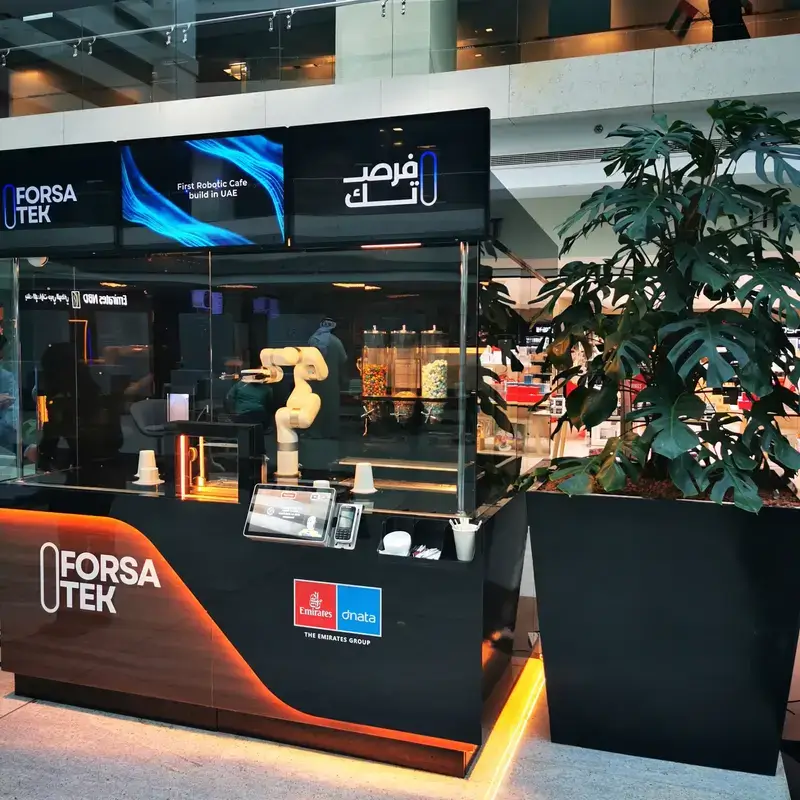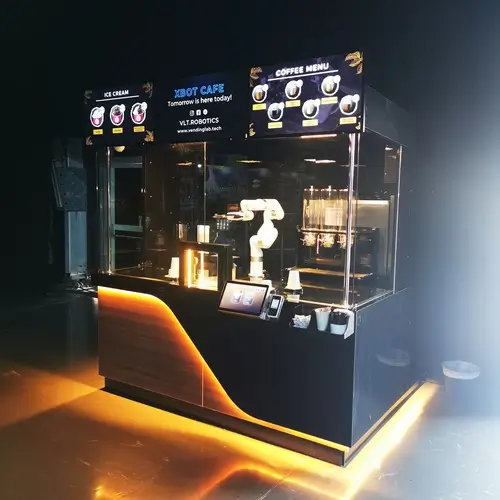
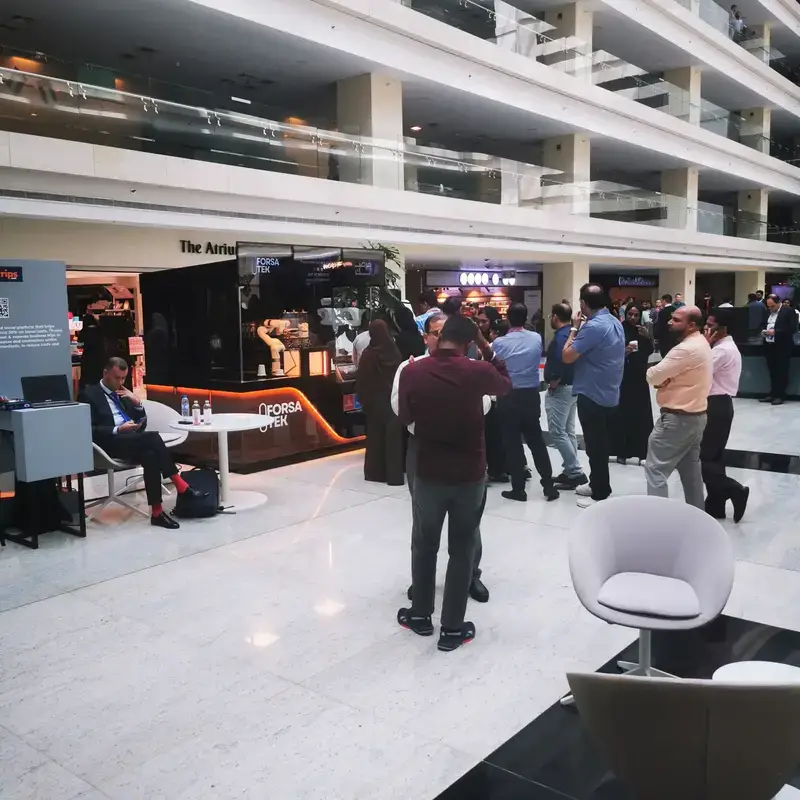
What Is a Robotic Barista Coffee Machine?
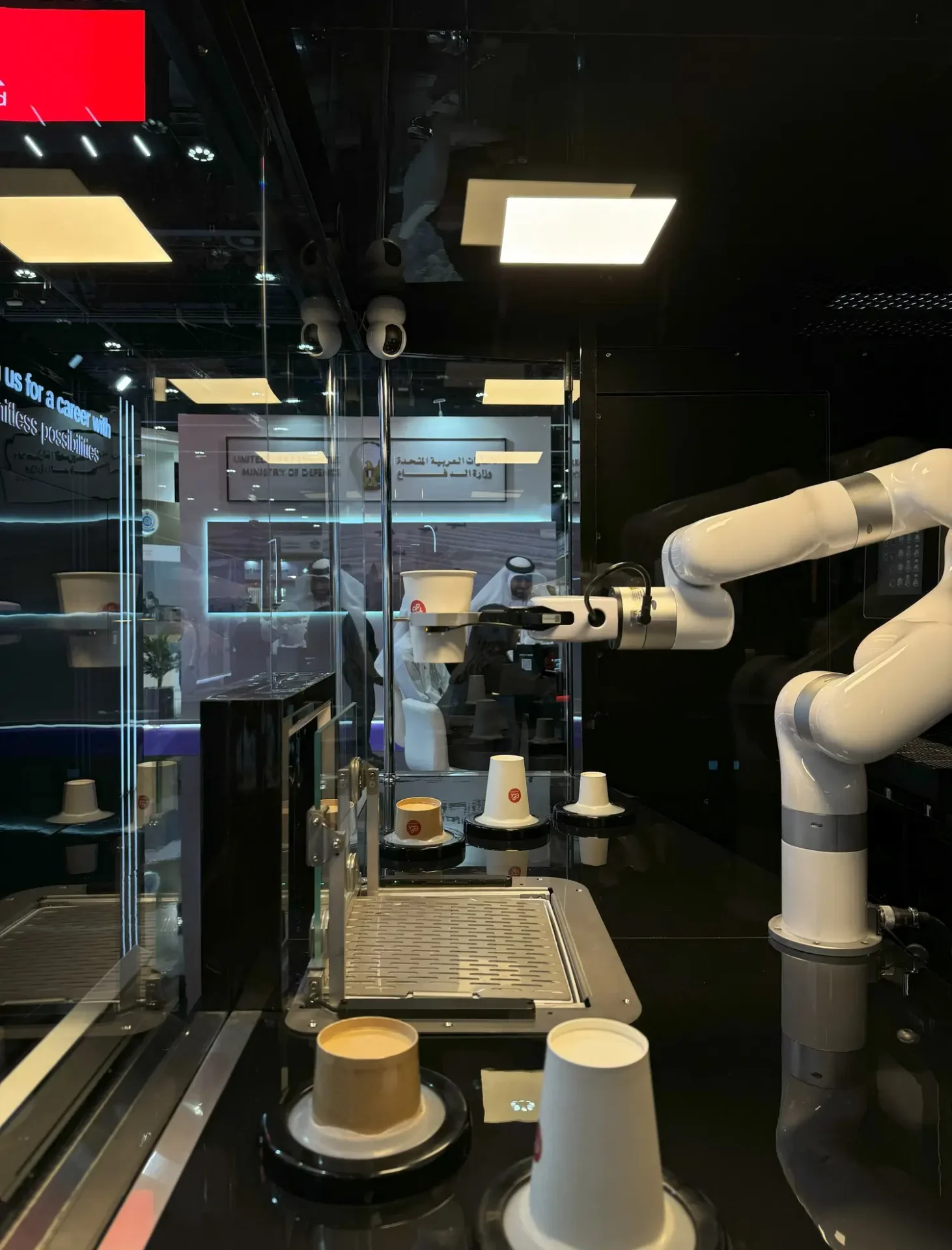
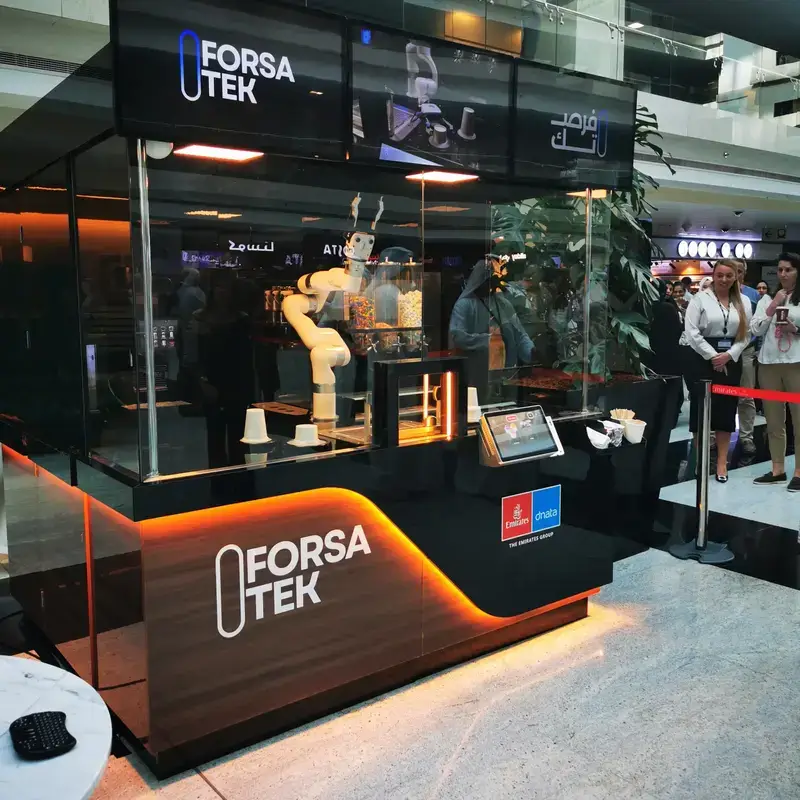
A Robotic Barista Coffee Machine is an automated system designed to prepare and serve coffee with limited human intervention. It combines robotic arms, precision pumps, grinders, sensors, and software. Together, these components can grind beans, measure ingredients, steam milk, and deliver a finished drink.
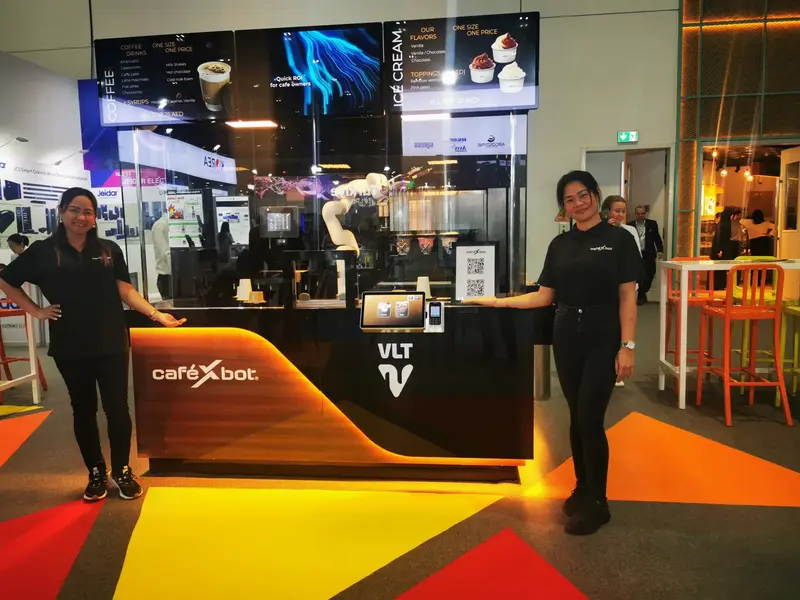
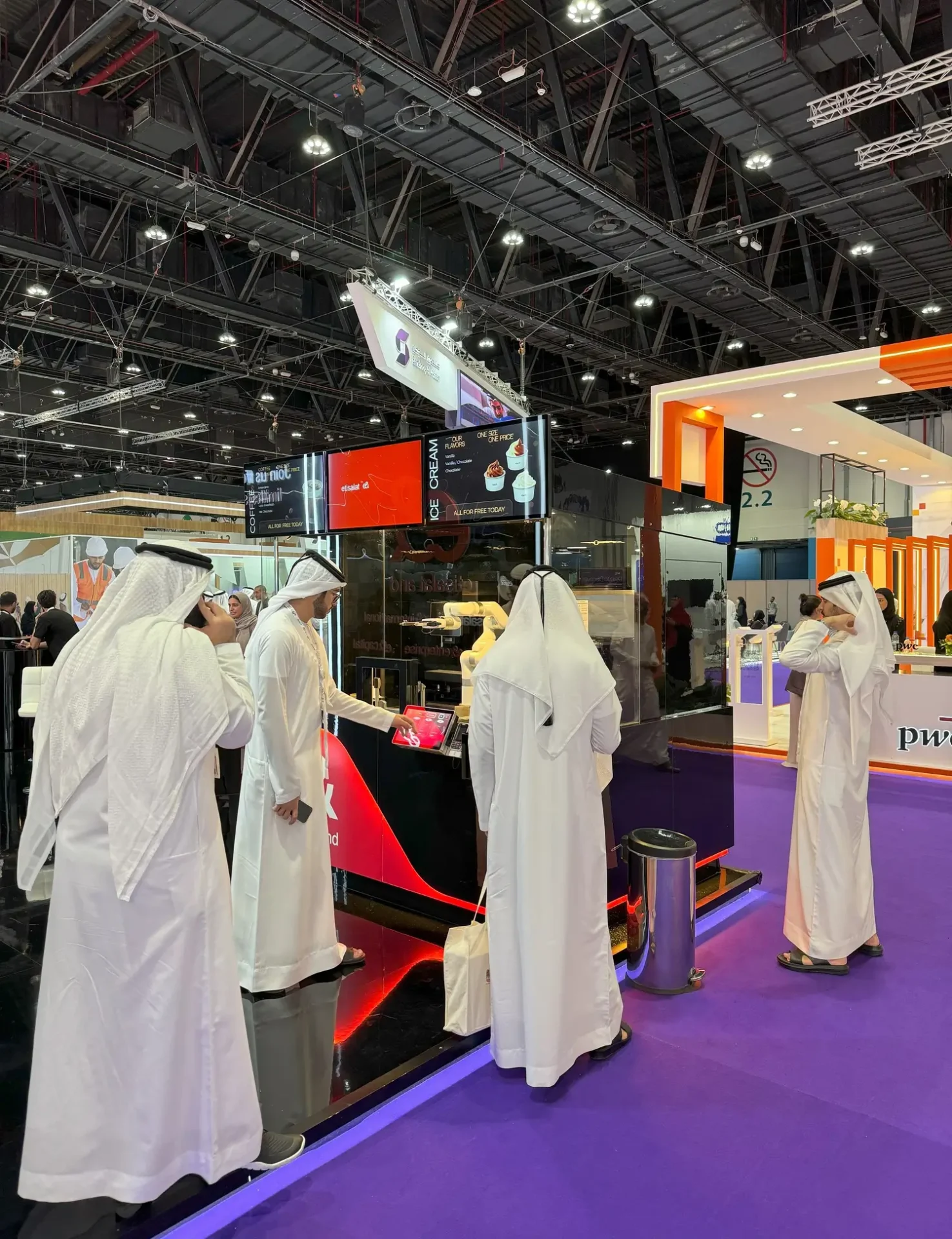
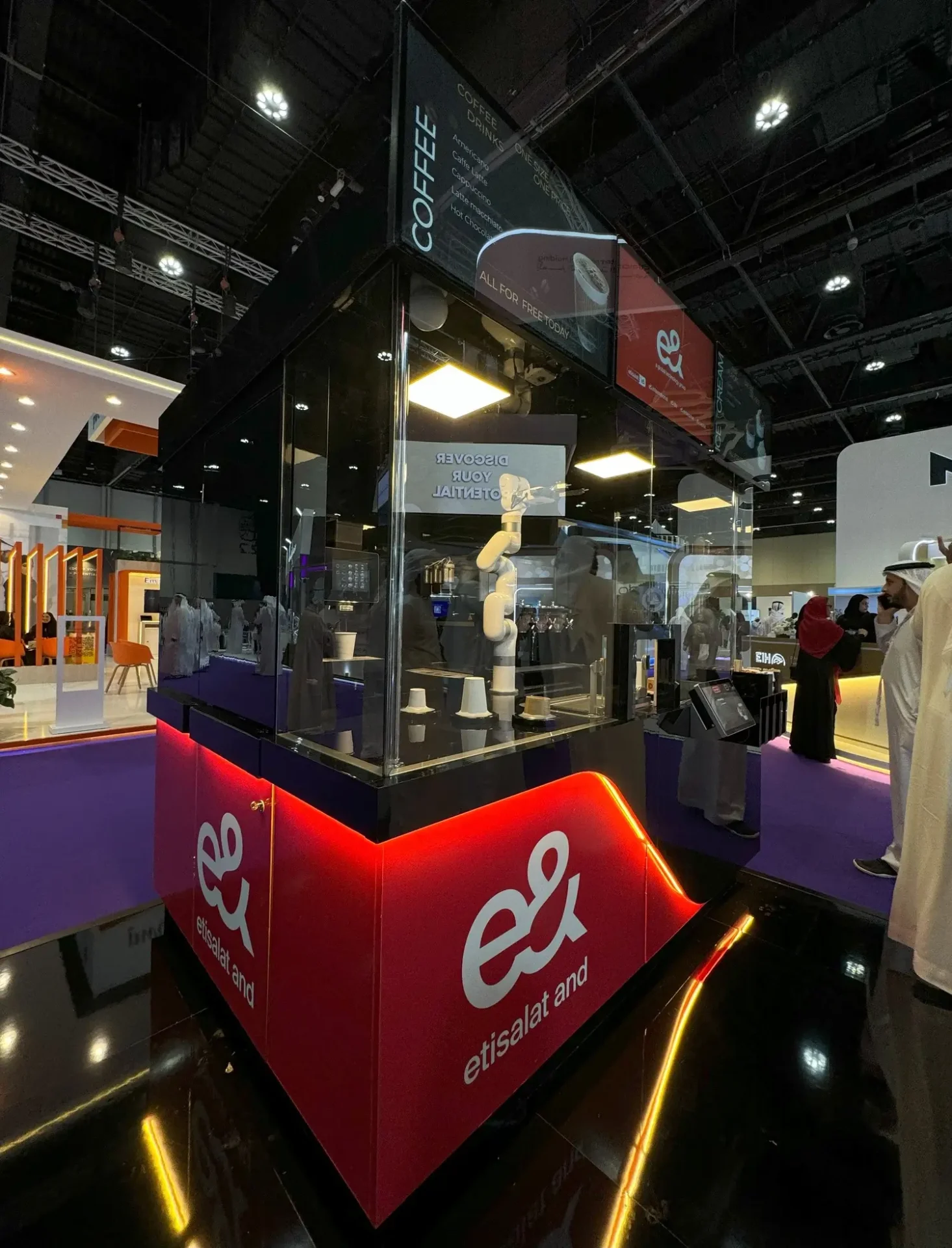
Henry Hu, founder of Café X, described the concept clearly: “We’re not trying to replace the barista; we’re trying to make coffee more accessible.” This viewpoint matters. A Robotic Barista Coffee Machine is not simply a metal worker behind a counter. It is a carefully programmed service environment, often operating in airports, offices, shopping centres, and busy transport hubs.
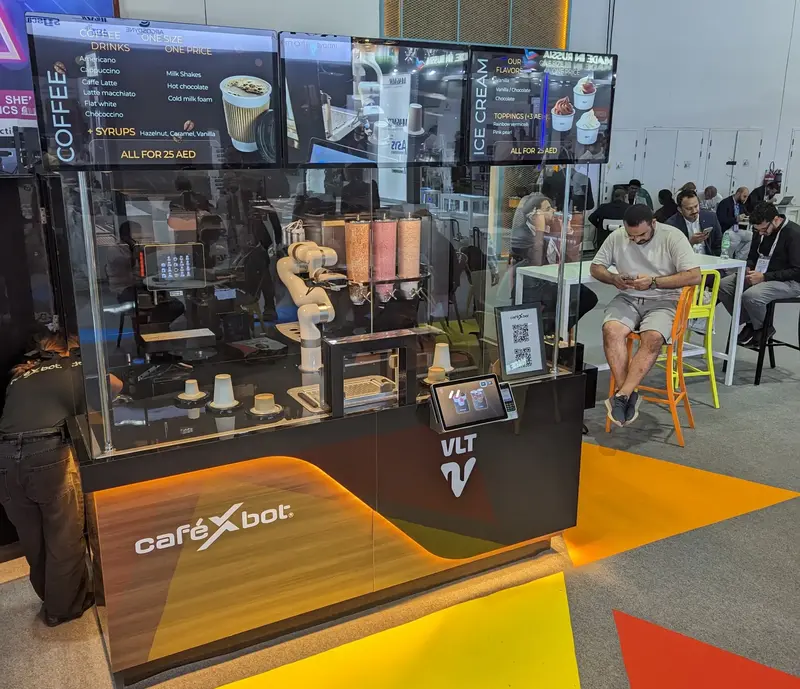
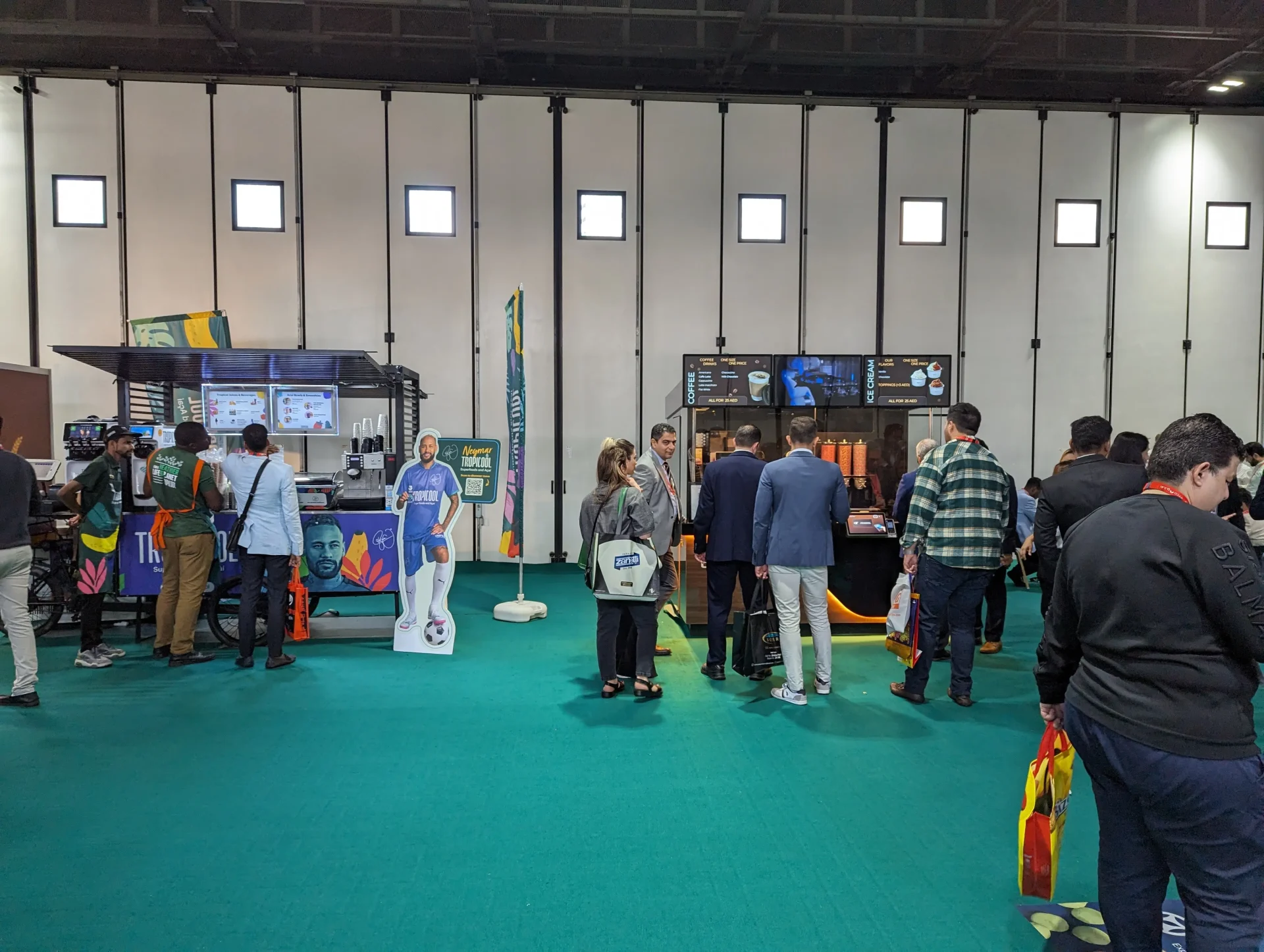
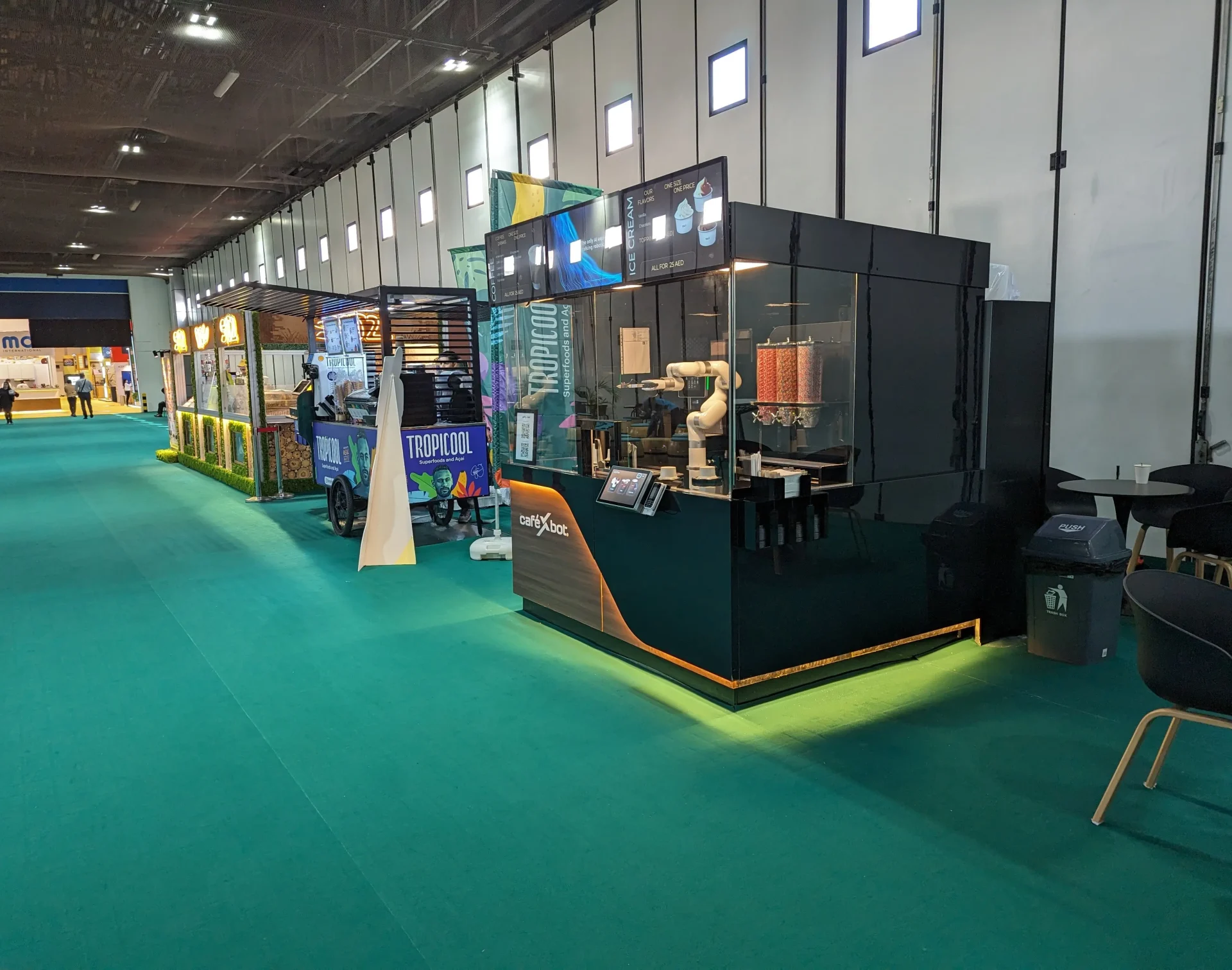
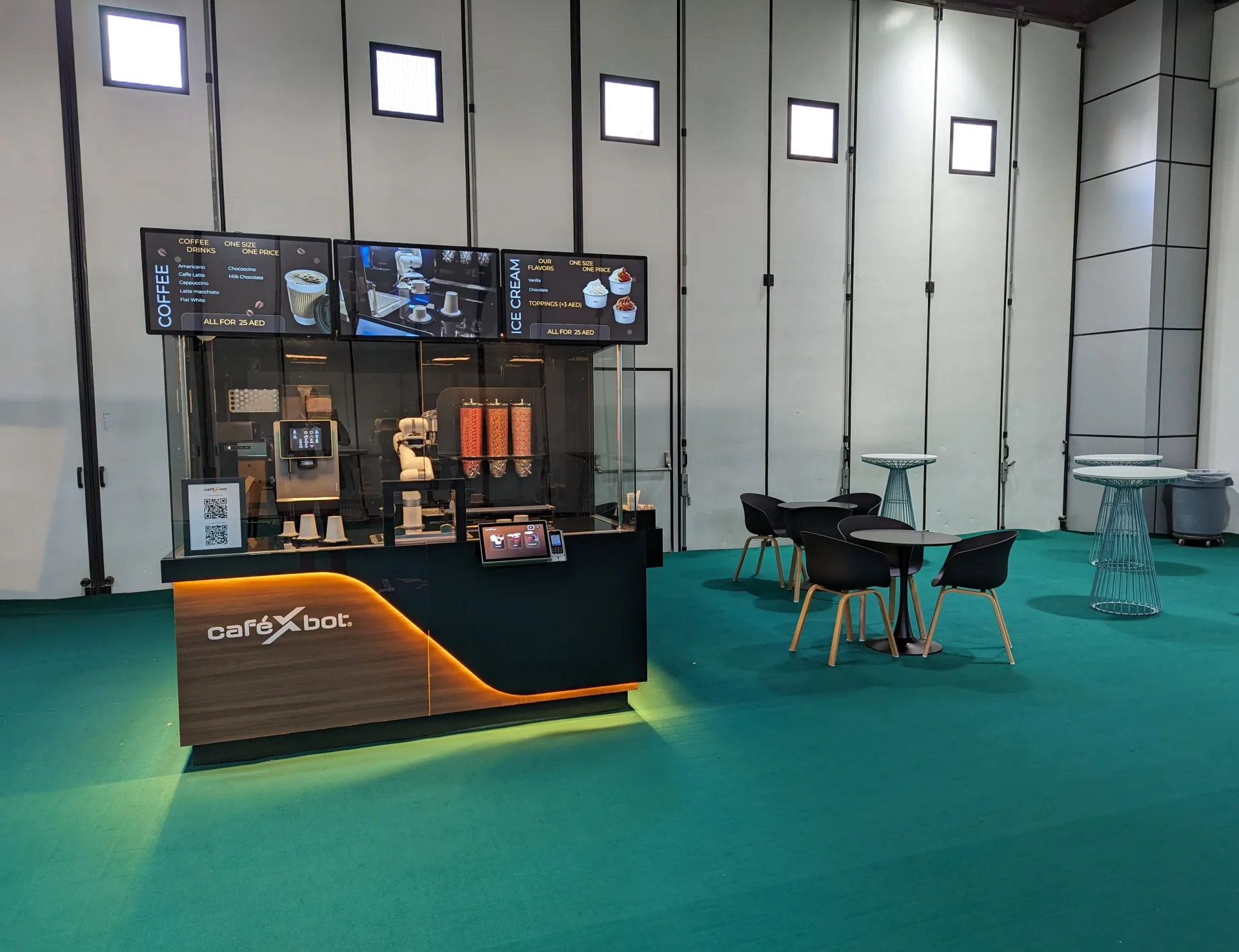
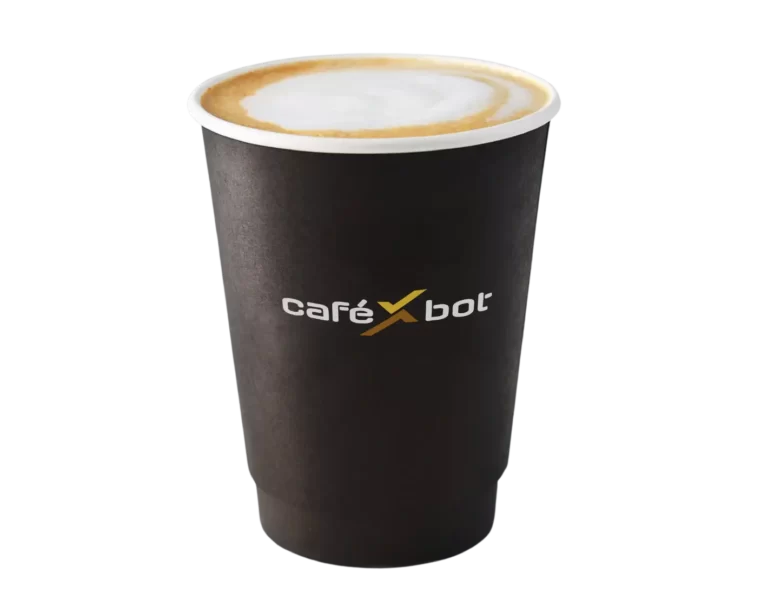
Picture the process. A customer selects a flat white on a touchscreen. Fresh beans fall into the grinder. The machine measures the dose, extracts espresso, and moves the cup beneath a milk dispenser. Sensors monitor temperature and position. The result can be consistent, quick, and visually engaging.
But consistency is not perfection. Coffee quality still depends on bean freshness, calibration, cleaning, water quality, and maintenance. A machine can repeat poor settings very efficiently. Human judgement remains valuable, especially when customers want advice or a customised drink.
This article will examine how robotic baristas work, what technologies they use, and where they perform best. It will also consider their limitations. The future may be automated, but it should not become careless.
What Is a Robotic Barista Coffee Machine?
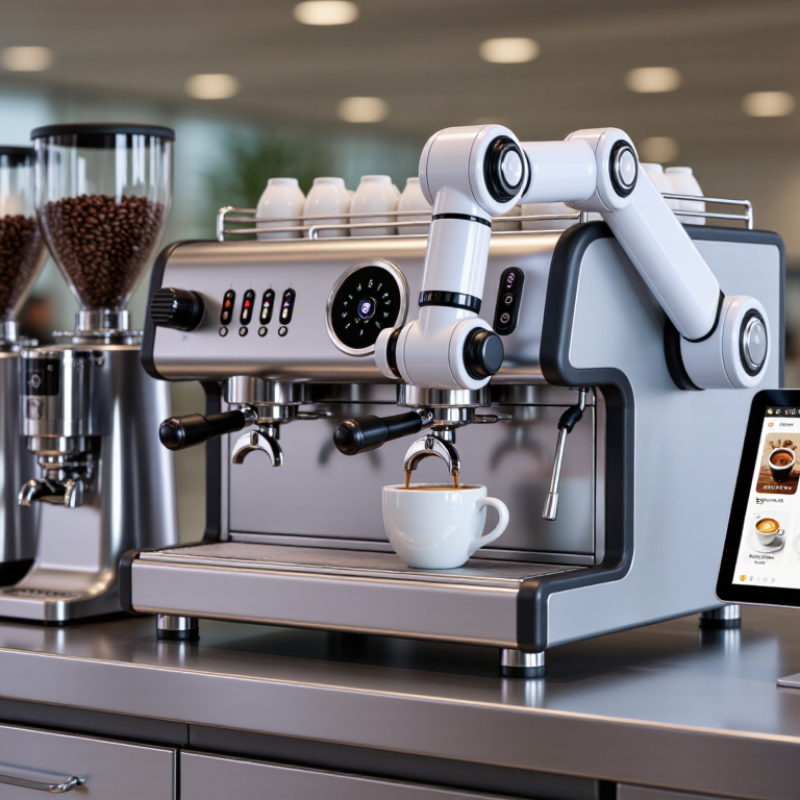
A robotic barista coffee machine is an automated station that prepares drinks with limited human assistance. It can grind measured beans, dose coffee, extract espresso, steam milk, and place the cup for collection. Cameras and sensors help monitor cup position, liquid volume, and equipment status. Some systems also adjust recipes through connected software.
The concept responds to a large, steady market. The International Coffee Organization reported global coffee consumption of about 177 million 60-kilogram bags in the 2023/24 coffee year.
Meanwhile, the National Coffee Association’s 2024 report found that 67% of American adults drank coffee the previous day.
These figures show demand, but they do not prove that automation will replace skilled preparation. Taste remains difficult to standardize.
Not perfect yet.
A reliable robotic barista still needs clean nozzles, calibrated grinders, fresh milk, and regular human checks. The International Federation of Robotics reported 541,302 industrial robot installations worldwide in 2023, showing the wider growth of automation.
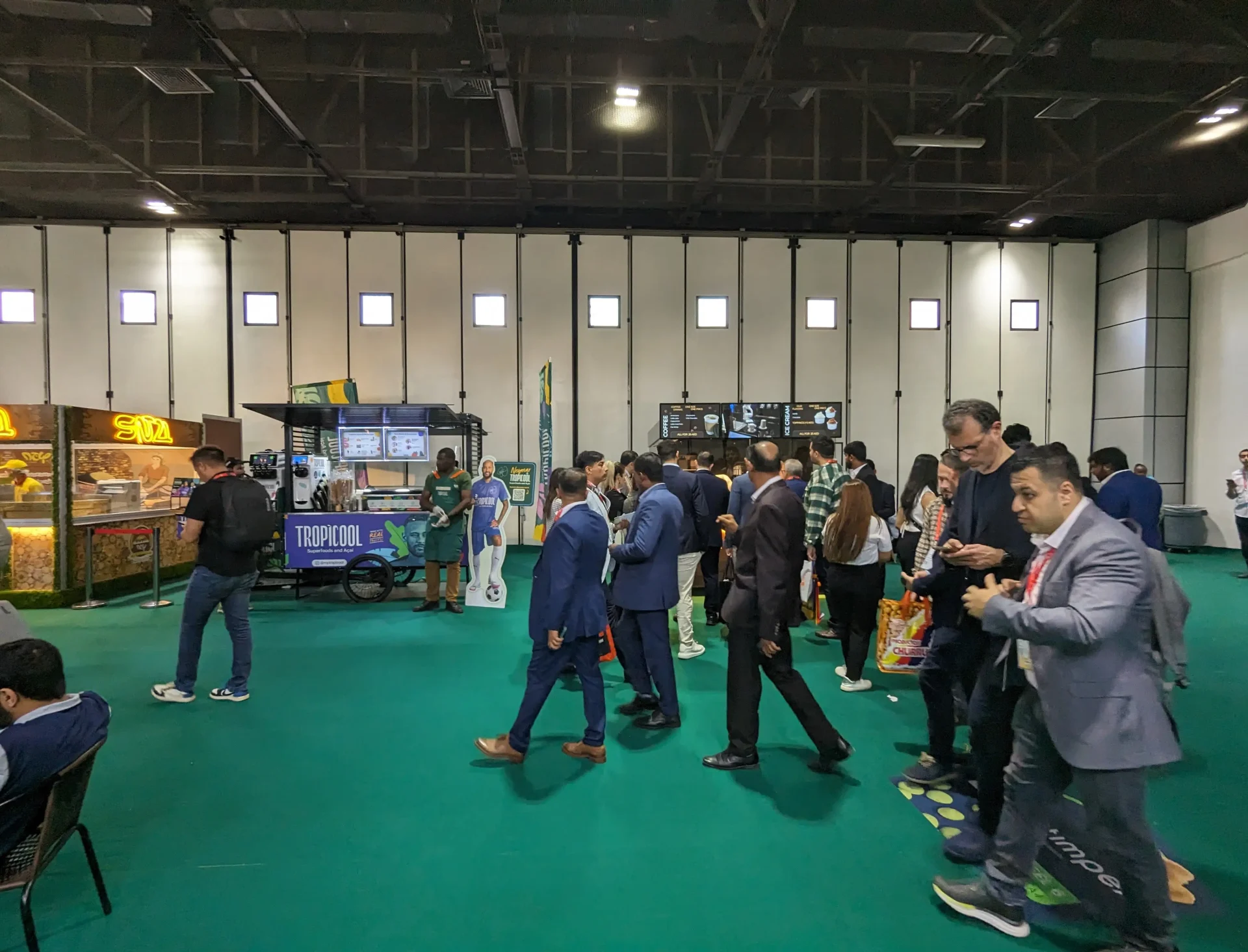
However, a café counter is not a factory floor. Noise, queues, changing temperatures, and customer preferences create messy conditions. In my view, the strongest machines handle repetitive tasks while staff manage quality, maintenance, and unusual orders. Calling them fully independent would be premature.
How Robotic Barista Coffee Machines Work
What Is a Robotic Barista Coffee Machine?
How Robotic Barista Coffee Machines Work
A robotic barista coffee machine combines brewing equipment, sensors, and automated movement. It prepares drinks with limited human handling. After a customer selects a recipe, the control system checks the cup position and ingredient settings. A grinder measures beans, then sends fresh grounds into the brewing unit. Water flows at a controlled temperature and pressure. The machine can also steam or dispense milk through a separate nozzle.
Small sensors guide each stage. They monitor liquid levels, temperature, cup placement, and cleaning conditions. If a cup shifts slightly, the system may pause the robotic arm. Some machines adjust grinding time when coffee beans produce a slower extraction. This shows useful engineering, but automation is not flawless. Milk foam can vary between drinks, especially when the nozzle needs cleaning. A trained operator still matters. Regular inspection improves safety, taste, and machine reliability.
Tips: Keep the brewing area clean after busy service. Wipe milk-contact parts promptly, because residue hardens quickly. Check the grinder and water filter on a fixed schedule. Record unusual sounds, weak foam, or inconsistent coffee flow. These details can reveal problems before customers notice them. Avoid changing several settings at once. Small adjustments are easier to evaluate. Temperature readings can help, but taste testing remains important. Machines measure conditions; people judge the final cup.
How a Robotic Barista Coffee Machine Works
A robotic barista combines dosing, espresso extraction, milk steaming, and drink dispensing into an automated sequence. The chart shows typical target times for preparing one milk-based espresso drink; actual times vary by recipe and machine configuration.
Espresso extraction is commonly targeted at about 25–30 seconds, while milk is generally steamed to approximately 55–65°C for a balanced texture and serving temperature.
Key Components and Coffee-Making Processes
A robotic barista coffee machine combines mechanical parts, sensors, and programmed controls to prepare drinks with limited human handling. Its core components usually include a bean hopper, grinder, dosing mechanism, brewer, boiler, milk system, and waste container. A control unit coordinates each stage. Sensors check water levels, temperature, pressure, and cup position.
The process begins when the machine receives a drink order. It grinds whole beans into a measured dose, although the exact dose may need calibration. The coffee is then compressed and brewed through heated water. During extraction, pressure and flow influence aroma, strength, and crema. A separate system can steam or dispense milk, creating a latte or cappuccino. The finished drink travels through a short outlet into the waiting cup. It looks simple. It is not.
Reliable operation depends on regular cleaning and careful monitoring. Coffee oils can collect inside the brewer, while milk residue may block narrow tubes. A trained operator should inspect seals, rinse contact surfaces, and follow safe temperature procedures. Sensors reduce mistakes, but they cannot judge every flavor problem. For example, a humid morning may change grinding behavior and produce a weaker espresso. The machine might continue working normally. That is where human experience still matters. Taste checks, recipe adjustments, and maintenance records help keep results consistent. My practical view is slightly cautious: automation improves speed and repeatability, but it does not remove the need for judgment.
Types of Robotic Barista Coffee Machines
Robotic barista machines usually fall into four practical types. Fixed kiosk systems combine grinders, brewers, milk modules, and payment controls. They suit airports, offices, hospitals, and other high-traffic spaces. Robotic-arm systems add visible movement, such as lifting cups or steaming milk. Their theatrical value can attract customers, but joints require regular calibration. Mobile robotic carts serve events and large indoor venues. They offer flexibility, although battery life and floor conditions can limit output. Semi-automated smart stations keep human staff nearby while robots handle dosing, brewing, and cleaning cycles.
The International Federation of Robotics reported about 205,000 professional service robots sold worldwide in 2023, roughly 30% more than the previous year. However, this report does not isolate coffee robots. That limitation matters. Operators should avoid treating general robotics growth as proof of coffee-machine demand. In real cafés, throughput, drink consistency, water filtration, and cleaning access often matter more than dramatic arm movements. A fixed kiosk may produce 60 to 120 drinks per hour, depending on recipes, cup handling, and replenishment speed. A mobile unit may produce less, but it can reach temporary locations.
Tips: Match the machine to traffic patterns, not novelty. Check whether staff can remove milk lines without tools. Measure extraction time, waste, noise, and recovery after peak orders. I would also test the machine during a crowded morning. Laboratory performance can look better than daily service. Human oversight still catches blocked grinders, incorrect cup placement, and poor milk texture.
Benefits, Limitations, and Common Applications
A robotic barista coffee machine is an automated station that prepares drinks with limited human assistance. It grinds beans, doses coffee, controls water temperature, and dispenses beverages. Sensors track cup placement and brewing steps. An operator still refills beans, milk, cups, and cleaning supplies. That human step matters.
The benefits are practical. IFR’s World Robotics 2023 report recorded 158,000 professional service robots sold in 2022. That market grew 48% year on year. Coffee automation can shorten queues, standardize recipes, and provide service during quieter hours. It fits airports, offices, hospitals, hotels, campuses, and shopping centers. The National Coffee Association’s Spring 2024 National Coffee Data Trends report found that 67% of American adults drank coffee the previous day. Demand exists. A machine may also collect sales and maintenance data, helping managers adjust menus or staffing.
Limitations become visible during busy service. A blocked grinder, empty milk container, or software fault can stop every order. Complex customizations remain difficult, especially when customers change temperature, sweetness, or milk preferences. Cleaning requires discipline, not optimism. Poor sanitation can damage trust and create safety concerns. Initial equipment costs, repairs, connectivity, and staff training also affect payback. Human interaction is another issue. Some customers want speed; others want conversation. I would not treat robotic service as a complete replacement for skilled café workers. Its performance depends heavily on maintenance, workflow design, and realistic menu choices.
What Is a Robotic Barista Coffee Machine? - Benefits, Limitations, and Common Applications
| Data Dimension | Typical Characteristics | Potential Benefits | Limitations or Considerations |
|---|---|---|---|
| Definition | An automated coffee system that uses software, sensors, pumps, grinders, and robotic mechanisms to prepare and dispense beverages. | Reduces the amount of manual work required for routine beverage preparation. | It is not always a fully autonomous café; staff may still be needed for loading ingredients, cleaning, payment support, and troubleshooting. |
| Core Preparation Functions | May grind coffee, dose grounds, extract espresso, heat or dispense milk, add flavorings, mix drinks, and release the finished beverage. | Combines several repeatable steps in one controlled workflow. | Capabilities differ widely; some systems prepare only espresso-based drinks, while others support cold beverages or additional ingredients. |
| Automation Level | Automation can range from assisted operation to largely unattended ordering and dispensing. | Supports self-service and can extend operating hours in suitable locations. | Unattended operation requires reliable monitoring, remote alerts, safety controls, and rapid service support. |
| Beverage Consistency | Uses programmed recipes and controlled dispensing quantities to repeat preparation parameters. | Can provide more consistent portioning and recipe execution than fully manual preparation. | Consistency still depends on bean freshness, ingredient quality, calibration, water conditions, and cleaning. |
| Typical Throughput | Often suitable for low-to-moderate demand, with actual output determined by recipe complexity, machine design, and queue management. | Can handle repeated orders without requiring a barista at every preparation step. | High-volume peaks may create queues if the brewing, milk, cleaning, or ingredient-replenishment cycle becomes a bottleneck. |
| Customization | May allow adjustments such as drink size, strength, milk type, temperature, sweetness, and flavor additions. | Digital menus make repeatable customization easier to configure and record. | Customization is limited to the installed ingredients, hardware capabilities, and programmed recipes. |
| Labor Requirements | Routine drink preparation can be automated, but personnel are generally required for restocking, sanitation, waste handling, and technical support. | May reduce the number of staff needed for repetitive preparation tasks. | Labor is shifted rather than eliminated; maintenance and service skills become important. |
| Operational Benefits | Automated workflows, digital ordering, recipe control, and possible remote monitoring. | Can improve process repeatability, simplify ordering, and provide useful operational data. | Connectivity problems, software errors, or payment failures can interrupt service. |
| Hygiene and Safety | Enclosed preparation areas and automated dispensing can reduce some direct handling of ingredients. | Supports standardized cleaning procedures and can reduce unnecessary contact during service. | Milk systems, nozzles, grinders, drip trays, and internal food-contact parts still require regular cleaning and sanitation. |
| Space Requirements | Usually requires a stable footprint, electrical supply, ingredient storage, waste capacity, and sometimes a water connection or refillable tank. | Can fit into locations that do not have room for a complete traditional café counter. | The required clearance, ventilation, drainage, and utility connections vary by system and site. |
| Cost Structure | Total cost may include equipment acquisition or leasing, installation, ingredients, utilities, software, cleaning, repairs, and service contracts. | May lower some ongoing preparation costs in locations with suitable demand and limited staffing availability. | The business case depends on utilization, maintenance costs, site expenses, product mix, and local labor rates. |
| Customer Experience | Often emphasizes convenience, self-service, digital ordering, and visible automation. | Can attract customers interested in fast, technology-enabled service. | Some customers may prefer human interaction, handcrafted preparation, or assistance with unusual requests. |
| Common Applications | Office buildings, transport hubs, hospitals, universities, hotels, retail spaces, entertainment venues, and convenience-oriented locations. | Provides beverage access where a full-service coffee counter may be impractical or unavailable. | Suitability depends on foot traffic, utility access, security, local regulations, cleaning arrangements, and customer expectations. |
| Best-Fit Operating Model | Works best when the menu is standardized, demand is predictable, service availability is valuable, and routine maintenance can be scheduled. | Offers a practical balance between self-service convenience and automated beverage production. | May be less suitable for highly personalized drinks, artisan-focused service, irregular demand, or locations without dependable technical support. |
Note: Performance, menu capacity, maintenance frequency, and operating costs vary by equipment configuration, site conditions, ingredients, and usage patterns.
Related Posts
-
2026 Best Robot Coffee Barista for Global Buyers?
-
Emerging Trends in Automated Beverage Solutions for 2025 with Smart Vending Alternatives
-
Future Trends in Best Robotic Cafe Market Analysis for 2025
-
7 Secrets to the Best Robotic Coffee Bar Transforming Your Coffee Experience
-
Top Coffee Robot Arm Suppliers for Global Buyers?
-
How to Choose the Best Coffee Making Robots for Your Business Efficiency